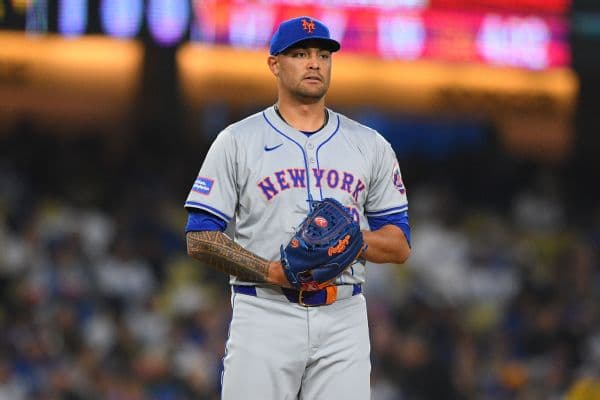
The New York Mets have officially solidified their pitching plans for the opening of the MLB season. In a move that clarifies the team's early-season strategy, manager Carlos Mendoza announced on Saturday that the club will utilize a traditional five-man rotation. However, the most notable takeaway from the announcement is the placement of veteran left-hander Sean Manaea, who is slated to begin the campaign coming out of the bullpen in a specialized piggyback role. This decision marks a significant tactical shift for the Sean Manaea New York Mets rotation hierarchy as the team looks to optimize its pitching depth.
A Shift in Strategy: Sean Manaea’s New Role
The decision to move Sean Manaea to the bullpen is a pivot from the initial expectations surrounding his arrival in Queens. Manaea, who joined the Mets with the intent of bolstering the starting staff, will now serve as a "piggyback" option. In this capacity, he is expected to follow a primary starter to bridge the gap to the late-inning relievers, effectively providing the Mets with "starter-level" length from a relief position.
According to manager Carlos Mendoza, this move is part of a broader strategy to manage the workload of the rotation while ensuring the team remains competitive in the early weeks of the season. By utilizing Manaea in this hybrid role, the Mets can maintain a five-man rotation while still benefiting from Manaea's veteran experience and ability to eat significant innings. This approach allows the coaching staff to be more aggressive with their primary starters, knowing they have a proven arm ready to take over in the middle frames.
Defining the Five-Man Rotation
By committing to a five-man rotation, the Mets are signaling a departure from the six-man configurations that some MLB teams have experimented with to preserve arm health. A set five-man rotation allows for a more predictable schedule for the primary starters, though it necessitates a robust bullpen to handle the inevitable fluctuations in starter efficiency during the grueling 162-game season.
The move effectively settles the competition for the final spots in the rotation for Opening Day. While the specific order of the five starters remains subject to final adjustments by the coaching staff, the exclusion of Manaea from the starting five clarifies the roles for the rest of the staff. This structure aims to provide stability to a pitching corps that has faced various questions regarding health and consistency throughout the spring training period. The Sean Manaea New York Mets rotation decision is a clear indicator that the team values flexibility over rigid traditional roles.
The Logistics of the Piggyback Role
The "piggyback" role is an increasingly popular strategy in modern baseball, particularly during the first month of the season when starters are still building up their endurance and pitch counts. For Sean Manaea, this means preparing for multiple-inning appearances that could begin as early as the fourth or fifth inning depending on the game situation.
- Innings Management: This role allows the Mets to limit the pitch counts of their primary starters without overtaxing the traditional middle relievers or high-leverage setup men.
- Matchup Advantages: Mendoza can deploy Manaea, a deceptive left-hander, to neutralize specific portions of an opponent's lineup following a right-handed starter, forcing mid-game adjustments from opposing managers.
- Versatility: Manaea’s extensive experience as a starter makes him uniquely qualified to handle the pressure of entering a game with runners on base or navigating through the heart of an order multiple times.
Strategic Implications for the Mets' Staff
The decision to move a veteran of Manaea's caliber to the bullpen underscores the Mets' commitment to a flexible pitching philosophy under Carlos Mendoza. It also highlights the depth the team has cultivated, as they feel comfortable moving a proven starter into a relief capacity to strengthen the overall unit. This move is particularly relevant given the injury concerns that often plague rotations early in the year; having a starter-ready arm in the bullpen provides an immediate insurance policy.
From a roster management perspective, this move ensures that the Mets do not have to "waste" Manaea's talent in a traditional long-relief role that only sees action during blowouts. Instead, he becomes a tactical weapon used to secure wins in close games and protect the lead. As the season progresses, the Sean Manaea New York Mets rotation situation could remain fluid. Manaea could potentially return to a starting spot if performance issues arise within the primary five or if the team needs to cover for an injury.
For now, the Mets will move forward with their five-man staff, leaning on Manaea’s versatility to provide a safety net for the rotation. This balanced approach reflects a modern analytical view of pitching: focusing on total "outs recorded" rather than traditional labels of "starter" and "reliever." By prioritizing efficiency and health, Mendoza is positioning the Mets to navigate the early hurdles of the MLB season with a deep and adaptable pitching staff.
Sources & Original Reporting