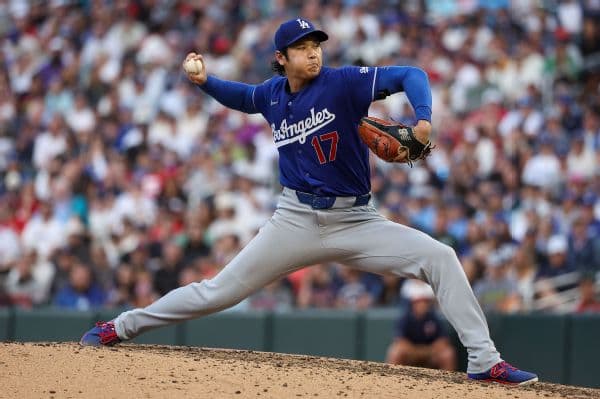
The Midsummer Classic is the ultimate stage for baseball’s elite, but the National League may have to take the field without its most versatile arm. Los Angeles Dodgers manager Dave Roberts has cast significant doubt on a Shohei Ohtani All-Star Game pitching appearance, citing a strategic shift in the team’s starting rotation. While fans across the globe hope to see the two-way sensation dominate from both the mound and the plate, the Dodgers are prioritizing the long-term health of their superstar as they navigate a demanding summer schedule.
Managing the Workload: Why the Dodgers Adjusted Ohtani’s Schedule
The primary catalyst for this change is the Dodgers' decision to push Ohtani’s next scheduled start back to Friday, July 10. By adjusting the rotation, the organization is looking to manage Ohtani’s workload effectively during the final stretch of the first half of the season. This move ensures that Ohtani remains fresh for the high-stakes games ahead, but it creates a logistical hurdle for his participation as a pitcher in the upcoming exhibition.
In the competitive landscape of the National League West, the Dodgers are keenly aware of the physical toll a 162-game season takes on a player who contributes at an elite level in two different roles. Pushing his start to July 10 provides Ohtani with extra rest leading into the break, but it also places his recovery window directly over the All-Star festivities. For a starting pitcher, the days following a start are critical for arm recovery and strength maintenance, making a secondary appearance just days later a risky proposition.
Dave Roberts on the Shohei Ohtani All-Star Game Outlook
When addressing the media regarding the Shohei Ohtani All-Star Game outlook, manager Dave Roberts was transparent about the reality of the situation. Roberts stated that it is currently "hard to imagine" Ohtani taking the mound during the event given the revised pitching schedule. While the league and its fans naturally want to see the best players showcasing all their talents, the Dodgers' primary responsibility is Ohtani’s availability for the regular season and a potential deep postseason run.
Roberts emphasized that this decision is not due to any underlying injury or physical setback. Instead, it is a matter of strict adherence to a recovery protocol that has kept Ohtani successful throughout his career. By pitching on July 10, Ohtani would be on a shortened rest cycle if he were to pitch in the All-Star Game. For the Dodgers, the risk of fatigue or overexertion far outweighs the benefits of a single inning in an exhibition game.
The Two-Way Balance: Hitting Remains the Priority
While Ohtani may not be firing 100 mph fastballs from the mound, he is still expected to be a centerpiece of the event. As one of the most feared hitters in Major League Baseball, Ohtani remains a lock for the National League lineup as a designated hitter. This allows the league to showcase its biggest star without the immense physical strain that comes with pitching at maximum effort.
The logistics of being a two-way player are unprecedented, and the Dodgers' management of Ohtani’s schedule reflects the complexity of his role. By focusing solely on his hitting duties during the break, Ohtani can still engage with fans and participate in the celebration of the sport while giving his pitching arm the necessary downtime to recover from his July 10 start.
Strategic Planning for a World Series Run
The Los Angeles Dodgers are currently positioned as one of the top contenders for a World Series title, and a healthy Shohei Ohtani is the cornerstone of that ambition. The decision to limit his pitching duties is a reflection of a broader organizational philosophy that prioritizes October success over mid-season accolades. By being cautious now, the Dodgers ensure their $700 million investment is at peak performance when the games matter most.
Several key factors influenced this decision-making process:
- Recovery Time: Ensuring Ohtani has a full recovery window after his scheduled start on July 10.
- Injury Prevention: Minimizing the risk of arm fatigue during the hottest months of the season.
- Rotation Stability: Keeping the Dodgers' starting staff on a predictable rhythm as they head into the second half.
- Offensive Impact: Allowing Ohtani to maintain his focus on his Triple Crown-caliber offensive production.
As the All-Star Game approaches, the focus will shift to how the National League coaching staff fills the void on the mound. While Ohtani’s absence from the pitching rubber is a loss for the spectacle of the game, it is a calculated and necessary move for a Dodgers team that has its sights set firmly on a championship parade in November.
Sources & Original Reporting

