The Detroit Tigers’ promising 2026 campaign hit a significant roadblock this week as the team confirmed that center fielder Parker Meadows has been placed on the 10-day injured list. The move comes in the wake of a high-speed outfield collision with teammate Riley Greene, an incident that has left Meadows sidelined with both a left radius fracture and a concussion. For a Tigers team looking to establish early momentum in the American League Central, losing a defensive cornerstone like Meadows just two weeks into the season is a challenging hurdle to overcome.
The Collision: A Scary Moment in the Outfield
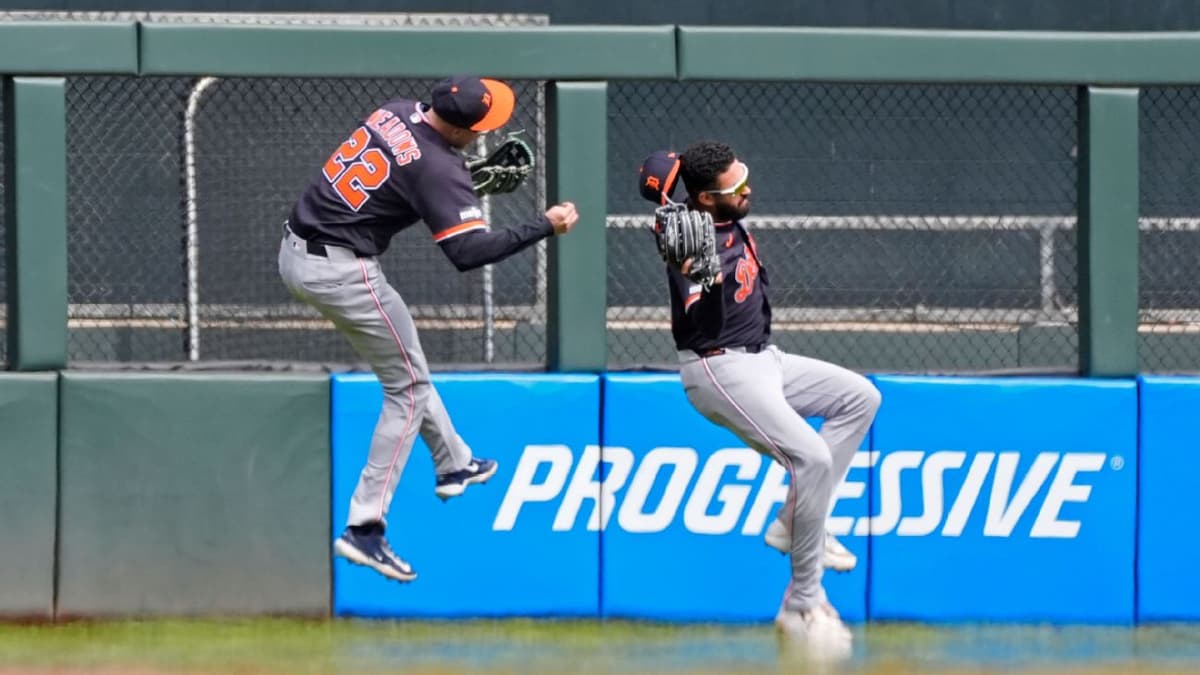
The Parker Meadows injury occurred during a routine play that turned dangerous in an instant. As a fly ball drifted into the left-center field gap during an early April matchup, both Meadows and Greene tracked the ball with full intensity. In the heat of the moment, neither player appeared to hear a call from the other, leading to a high-impact collision that saw both athletes hit the turf hard. While Greene was able to remain in the game after an initial evaluation by the training staff, Meadows was clearly in distress, clutching his left arm as trainers rushed to the field.
Immediate medical evaluations, including X-rays and neurological testing, confirmed the severity of the situation. The left radius fracture will require a period of immobilization and stabilization, while the concussion diagnosis means Meadows must clear MLB’s rigorous concussion protocols before he can return to any baseball activities. This dual-injury situation creates a complex recovery timeline, as the team must ensure his neurological health is fully restored before he can begin the physical rehabilitation required for his arm.
Medical Outlook and the Parker Meadows Injury
The diagnosis of a left radius fracture is particularly concerning for a hitter, as the radius is a key bone in the forearm that facilitates rotation and strength during a swing. While the Tigers have not yet specified if surgery will be required, the typical recovery for such a fracture involves several weeks of healing followed by a progressive strengthening program. When combined with a concussion, the medical staff must be doubly cautious. Concussions are notoriously unpredictable, and the Tigers will likely prioritize Meadows' long-term health before allowing him to face high-velocity pitching again.
Early-Season Impact on the Tigers' Roster
Losing Parker Meadows is about more than just a spot in the batting order; it is a major blow to the Tigers' run prevention strategy. With the 2026 season only about 13 games old, the Tigers were just beginning to find their rhythm. Meadows has established himself as one of the premier young center fielders in the league, utilizing his elite speed and range to track down balls that few others can reach. His presence in center field allowed the Tigers to play more aggressively in the corners, knowing Meadows had the range to cover both gaps effectively.
The timing of this injury is difficult because the Tigers are currently trying to set the pace in the AL Central. Meadows had been providing a spark not just with his glove, but with his developing presence at the plate and his aggressive baserunning. His ability to put pressure on opposing pitchers was a key component of the Tigers' offensive identity early this spring.
Filling the Void: Detroit's Next Man Up
With Meadows sidelined for the foreseeable future, manager A.J. Hinch will have to shuffle the deck to maintain defensive stability. The Tigers have some depth, but replacing a specialist like Meadows is a daunting task. Several players will need to step up to fill the gap in center field:
Wenceel Pérez
Pérez has shown great versatility and could see increased time in the outfield grass. While he has spent time in the corners, his athleticism makes him a candidate to take on more responsibility in center field during Meadows' absence. His ability to provide a switch-hitting presence in the lineup will also be vital for maintaining balance.
Matt Vierling
A reliable utility option, Vierling can handle multiple outfield spots and provides a steady veteran presence. He is a proven major league contributor who can stabilize the defense, even if he doesn't possess the same elite range as Meadows. Expect Vierling to be a frequent name in the starting lineup as Hinch looks for consistency.
Riley Greene
While Greene is a star in his own right in the corners, the team may ask him to shift to center field more frequently. However, the coaching staff must balance the defensive upgrade with the increased physical toll that center field demands, especially since Greene was involved in the collision himself. Ensuring Greene remains healthy while covering more ground will be a delicate balancing act for the Tigers.
Looking Ahead at the Recovery Timeline
While the Tigers have not provided a specific date for his return, a broken arm typically requires a minimum of six to eight weeks for the bone to knit and for the player to regain baseball-ready strength. The concussion protocol adds another layer of uncertainty to the timeline. As the team navigates the rest of April and moves into May, the focus shifts to the depth of the roster and the ability of other young players to step into larger roles. The Detroit faithful will be watching the injury wire closely, hoping for positive updates on one of their most promising young stars as he begins the long road back to the field.
Sources & Original Reporting