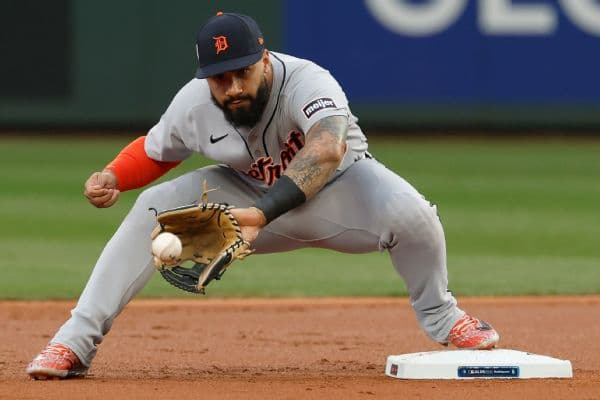
The Detroit Tigers announced a significant blow to their middle infield on Wednesday, officially placing second baseman Gleyber Torres on the 10-day IL. The move comes after the veteran infielder was diagnosed with a left oblique strain, an injury that often requires a delicate recovery period for high-impact hitters.
Gleyber Torres Sidelined by Left Oblique Strain
The transaction, confirmed by the team on Wednesday, marks a frustrating turn for Gleyber Torres and the Tigers organization. Oblique injuries are notoriously difficult to manage in professional baseball due to the intense rotational force required during both hitting and fielding. A strain on the left side, specifically for a right-handed hitter like Torres, can significantly impact the ability to drive through the ball and maintain a consistent swing path.
By placing Torres on the 10-day injured list, the Tigers are giving the veteran ample time to undergo treatment and rest before beginning a baseball activity progression. While the 10-day designation is the minimum requirement, the nature of oblique strains typically involves a multi-week recovery timeline to ensure the muscle is fully healed and to prevent a more severe tear or recurrence.
Navigating the Loss of Gleyber Torres on the 10-Day IL
The absence of Torres leaves a noticeable void in the Detroit lineup. Since joining the Tigers, Torres has been a key component of the team's offensive strategy, providing veteran leadership and a steady glove at second base. His ability to anchor the middle of the infield has been vital for a Detroit team looking to maintain momentum in a competitive American League Central race.
With Gleyber Torres on the 10-day IL, the Tigers coaching staff will need to look toward their bench and potentially their Triple-A affiliates to fill the gap. The roster move necessitates a shift in defensive alignments, likely increasing the workload for utility players or giving a younger prospect the opportunity to see meaningful playing time at the Major League level.
The Impact of Oblique Injuries in MLB
In modern baseball, the oblique strain has become one of the most common and feared soft-tissue injuries. Because the core muscles are the engine of a professional swing, even a Grade 1 strain can sideline a player for several weeks. The Detroit medical staff will likely focus on a conservative approach during the initial days of Torres' stint on the shelf.
Typical recovery protocols for an injury of this nature include:
- Initial rest and inflammation management to allow the muscle fibers to begin the repair process.
- Mobility exercises designed to restore range of motion without putting undue stress on the core.
- A gradual return-to-play program involving dry swings, tee work, and eventually live batting practice.
- A potential minor league rehab assignment to regain timing and game-speed reaction.
Detroit Tigers Roster Outlook
The timing of the injury is particularly challenging as the Tigers navigate a heavy stretch of their schedule. Management will be closely monitoring the progress of Torres over the next week to determine if he will be ready to return as soon as his 10 days are up, or if a longer stay on the injured list will be necessary. The corresponding roster move to fill Torres' spot on the 26-man roster is expected to be announced shortly, providing insight into how the team plans to mitigate the loss of their starting second baseman.
For Tigers fans, the hope is that the early intervention and the move to place Gleyber Torres on the 10-day IL will prevent a long-term absence, allowing the infielder to return to the heart of the order for the summer push.
Sources & Original Reporting

