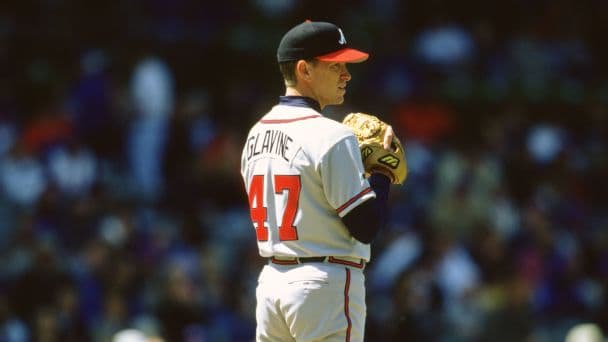
The 1994 MLB strike remains one of the darkest chapters in professional sports history, resulting in the unprecedented cancellation of the World Series and a lingering bitterness among fans that took years to heal. Now, Hall of Fame pitcher Tom Glavine, who served as a primary spokesperson for the players' union during that tumultuous era, is sounding the alarm. As the league approaches the expiration of the current Collective Bargaining Agreement (CBA) after the 2026 season, Glavine fears that the upcoming MLB labor negotiations are showing signs of the same friction that led to the 232-day work stoppage three decades ago.
The Ghost of 1994: Why Glavine is Concerned
Glavine’s perspective is rooted in firsthand experience. During the 1994-95 strike, he was more than just an ace for the Atlanta Braves; he was a central figure in the Major League Baseball Players Association (MLBPA). Speaking recently about the current climate surrounding the sport, Glavine noted that the rhetoric coming from both the owners and the union feels eerily familiar. The 1994 strike was triggered largely by the owners' desire to implement a salary cap, a proposal that the players fought tooth and nail.
According to Glavine, the fundamental disagreements over how the game’s revenue is distributed haven't truly disappeared; they have simply evolved into new forms of conflict. He sees "red flags" in the way both sides are currently positioning themselves, suggesting that the industry may be heading toward another significant confrontation if a middle ground cannot be found early in the process.
Contentious Issues in MLB Labor Negotiations
While the current CBA has provided a period of relative stability, the cracks are beginning to show. One of the most significant hurdles in the next round of MLB labor negotiations will likely be the economic structure of the game. Several key issues are expected to take center stage:
- Revenue Sharing and Salary Caps: Owners continue to push for more stringent cost-control measures, often pointing to the financial disparities between small-market and large-market teams. The MLBPA remains steadfast in its opposition to any form of a hard salary cap.
- Service Time and Compensation: Players are increasingly vocal about wanting better compensation earlier in their careers, particularly as the league trends younger.
- Media Revenue Uncertainty: The collapse of several Regional Sports Networks (RSNs) has created a vacuum in local television revenue, leaving owners anxious about their long-term financial projections.
Glavine highlights that when both sides enter a room with "non-negotiable" stances on these core economic issues, the risk of a stalemate increases exponentially. He believes the current environment mirrors the entrenchment seen in the early 90s.
Lessons from History: The Danger of Posturing
The Hall of Famer pointed out that the lead-up to a strike is often marked by a breakdown in genuine dialogue. He observes that when public statements become more about posturing for leverage than finding common ground, the situation becomes volatile. The 2022 lockout served as a recent reminder of how quickly things can escalate, though a full season was eventually salvaged after a delayed start. However, Glavine suggests that the 2026 negotiations might carry higher stakes.
"You see the signs," Glavine noted, referencing the public sparring that has already begun to surface. He emphasized that in 1994, the players felt they were fighting for the very survival of their free-market rights. Today's players feel a similar sense of urgency regarding their share of the league's record-breaking revenues, which topped $11 billion recently.
Protecting the Game’s Future
Glavine’s warning serves as a call to action for both Commissioner Rob Manfred and MLBPA Executive Director Tony Clark. He emphasized that a work stoppage in the modern era could be even more damaging than the one in 1994. With more entertainment options than ever before, baseball cannot afford to alienate its fan base by losing games to a boardroom dispute.
History has shown that last-minute negotiations often lead to the "nuclear option" of a strike or lockout, leaving fans as the ultimate losers. For a sport that has spent the last few years implementing successful rule changes to increase pace and excitement, a labor-induced hiatus would be a massive step backward. As Glavine suggests, the time to address these "red flags" is now, long before the 2026 deadline arrives.
Sources & Original Reporting