The landscape of Major League Baseball labor relations shifted dramatically this week with the sudden and "unforeseen" resignation of Tony Clark, the Executive Director of the MLB Players Association (MLBPA). While a leadership vacuum at the top of a major sports union often triggers concerns about internal stability and bargaining leverage, the MLBPA is moving quickly to project a front of unified strength. Despite the Tony Clark MLBPA resignation, the organization maintains that its strategic goals and preparation for the next Collective Bargaining Agreement (CBA) remain firmly on track.
The Sudden Departure of Tony Clark
Tony Clark, a former All-Star first baseman who became the first former player to lead the union in 2013, has been the face of player labor interests for over a decade. His tenure was defined by a period of intense modernization for the union, including the successful navigation of the 2021-2022 lockout and the historic incorporation of minor league players into the MLBPA. Because of his deep-rooted history with the organization, the news of his exit sent shockwaves through the industry.
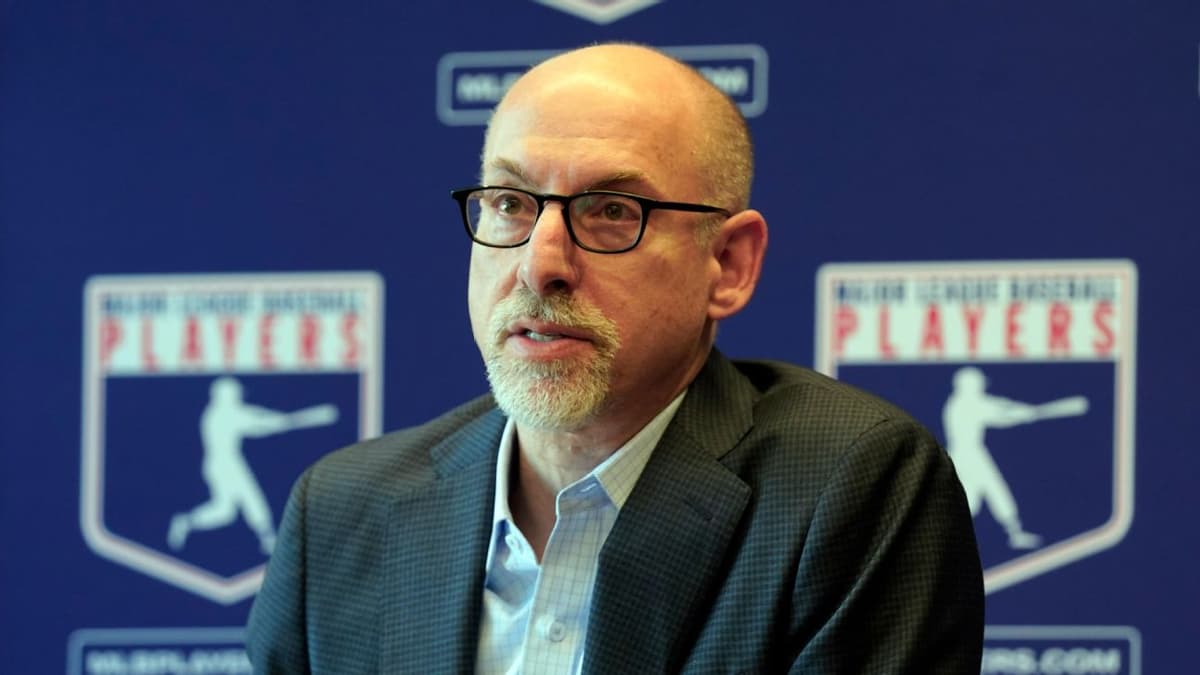
The resignation was characterized as "unforeseen," a term that often suggests a lack of succession planning. However, Bruce Meyer, the MLBPA’s deputy executive director, was quick to dispel any notions of chaos. Meyer, who has been a central figure in the union's legal and negotiating strategies, emphasized that the timing of the Tony Clark MLBPA resignation would not hinder the union's core mission or its ability to represent the players effectively in upcoming discussions with league owners.
Bruce Meyer and the Path to Continuity
In the wake of Clark's departure, Bruce Meyer has emerged as the voice of stability. Meyer has played a pivotal role in the union's most recent successes, including the negotiation of the current CBA which saw significant gains in the minimum salary and the creation of a pre-arbitration bonus pool. According to Meyer, the institutional knowledge within the MLBPA is deep enough to handle a change at the top without losing momentum.
"The union is bigger than any one individual," Meyer suggested in his recent address regarding the transition. He noted that the staff and player leadership are already deeply involved in the data analysis and consensus-building required for the next round of talks. The union's message is clear: the Tony Clark MLBPA resignation is a change in personnel, not a change in purpose or preparedness.
Preparing for the 2026 CBA Negotiations
The current Collective Bargaining Agreement is set to expire following the 2026 season. While that may seem like a distant deadline, the groundwork for these high-stakes negotiations typically begins years in advance. The MLBPA must coordinate with hundreds of players across 30 teams to identify priorities, ranging from service time manipulation and luxury tax thresholds to the impact of the pitch clock and other rule changes.
The concern among some analysts was that a leadership change now would give MLB Commissioner Rob Manfred and the team owners an advantage in early-stage maneuvering. Meyer, however, insists that the union’s infrastructure is more robust than ever. The recent addition of minor league players has expanded the union's reach and resources, and the internal committees tasked with CBA research are reportedly continuing their work without interruption.
A Legacy of Player Empowerment
To understand the weight of the Tony Clark MLBPA resignation, one must look at the evolution of the union under his watch. Clark took over during a time when many felt the players had lost their edge in negotiations. By the time he stepped down, he had overseen a lockout that resulted in the first significant structural wins for young players in a generation. He also led the charge to unionize the minor leagues, a move that fundamentally changed the labor landscape of professional baseball.
As the MLBPA moves into its next chapter, it does so with a blueprint established during the Clark era. The focus remains on maintaining the integrity of the free-agent market and ensuring that the players' share of the league's record-breaking revenues continues to grow. Whether the next Executive Director comes from within the current ranks or is an outside hire, they will inherit a union that is more inclusive and data-driven than at any point in its history.
What’s Next for the MLBPA?
The immediate next step for the MLBPA will be the formalization of an interim leadership structure and the commencement of a search for a permanent successor. In the meantime, the day-to-day operations will remain under the guidance of Meyer and the Executive Board, which consists of active players who are heavily invested in the union's future.
While the Tony Clark MLBPA resignation marks the end of a significant chapter in MLB history, the union is determined to prove that its strength lies in its collective membership rather than a single leader. As the 2026 negotiations loom on the horizon, the sports world will be watching closely to see if the MLBPA can maintain its hard-line stance and continue the momentum generated over the last decade.
Sources & Original Reporting