The World Baseball Classic (WBC) has grown into a global phenomenon, capturing the intensity of playoff baseball during the quiet days of spring training. However, as the baseball world looks toward the future, a complex web of bureaucracy and financial risk is threatening to keep the game’s biggest stars off the diamond. Behind the scenes, WBC 2026 insurance issues are emerging as the most significant hurdle for players, teams, and national federations, creating a landscape where health history matters just as much as batting averages.
The Financial Reality of WBC 2026 Insurance Issues
To understand why a superstar like Mike Trout or Francisco Lindor might be barred from representing their country, one must look at the insurance policies that underpin the tournament. Because MLB players are under massive guaranteed contracts, the World Baseball Classic must secure insurance to cover those salaries in the event of an injury during the tournament. If a player is injured while playing for their national team, the insurance policy—not the MLB club—is responsible for paying the player's salary while they are sidelined.
The problem arises when insurance companies deem a player "uninsurable" due to their recent injury history. According to reports, insurance providers analyze the medical records of every player on a preliminary roster. If a player has spent significant time on the Injured List (IL) for a specific body part, the insurance company may refuse to cover that player for any injury related to that pre-existing condition. This creates a massive financial risk that MLB teams are rarely willing to assume, often resulting in players being blocked from participation.
The Puerto Rico Crisis and the Role of Bad Bunny
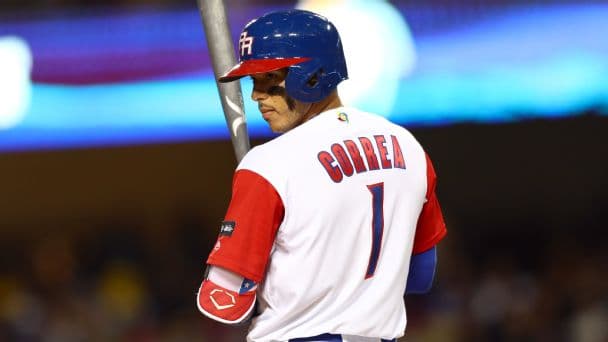
The impact of these insurance hurdles reached a boiling point during the previous tournament cycle, specifically regarding Team Puerto Rico. The squad found itself so decimated by insurance denials that there were internal discussions about the team potentially withdrawing from the tournament. High-profile stars like Carlos Correa and Jose Altuve have seen their participation complicated by these factors, leading to frustration among players and fans alike.
The situation became so high-profile that global music icon Bad Bunny even became involved. The artist, who has deep ties to the Puerto Rican sports community and represents several athletes through his agency, Rimas Sports, used his platform to highlight the disparity in how insurance issues affect different nations. The outcry centered on the idea that the current system disproportionately affects teams with high-earning MLB stars who have any history of physical wear and tear.
Understanding the "Uninsurable" List
One of the most frustrating aspects of the WBC 2026 insurance issues is the lack of transparency regarding the "uninsurable" list. Players often find out late in the process that they have been denied coverage. This was famously the case for Miguel Rojas, who was denied the opportunity to play for Venezuela in 2023 because of a previous wrist surgery. Despite feeling 100% healthy, the paperwork dictated otherwise.
For the 2026 tournament, the stakes are even higher. With young stars like Elly De La Cruz and established legends like Shohei Ohtani expected to lead their respective nations, the insurance market will be under intense scrutiny. The 2023 injury to Jose Altuve—who broke his thumb after being hit by a pitch—and the season-ending knee injury to Edwin Diaz during a post-game celebration served as cautionary tales for insurance underwriters, likely leading to even stricter premiums and more frequent denials in the upcoming cycle.
Can the Insurance Mess Be Fixed?
As MLB and the MLBPA look toward 2026, the focus is on finding a middle ground that protects the financial interests of the clubs while allowing the best players in the world to compete. Some have suggested a "buy-in" system where players or national federations could pay higher premiums to cover "uninsurable" risks, but the costs are often prohibitive.
The participation of a former Team USA captain and the availability of stars like Jose Alvarado will depend entirely on how these insurance policies are negotiated over the next year. For now, the WBC 2026 insurance issues remain the "invisible opponent" that every national team must defeat before they even take the field. Until the process becomes more streamlined, the tournament risks losing the very star power that makes it a global spectacle.
Sources & Original Reporting