The arrival of Lionel Messi in South Florida didn’t just change the trajectory of Inter Miami CF; it fundamentally altered the landscape of Major League Soccer. However, as the club basks in the glow of global relevance and trophy wins, a critical question looms: What happens when the greatest player of all time eventually hangs up his boots? The club is already drafting the blueprint for what they call "Inter Miami 3.0," a strategic phase focused on maintaining dominance long after their current superstars depart.
The Evolution of Inter Miami 3.0
Since its inception, Inter Miami has moved through distinct phases. Version 1.0 was the arduous birth of the club, marked by stadium battles and initial roster struggles. Version 2.0 began with the seismic signing of Messi, alongside Sergio Busquets, Jordi Alba, and Luis Suarez. This era brought the 2023 Leagues Cup and a record-breaking 2024 Supporters' Shield campaign.
The Inter Miami future, or version 3.0, is defined by the club’s ability to transition from a team reliant on individual legends to a self-sustaining global powerhouse. This phase is anchored by two pillars: the move to a world-class permanent home and a roster strategy that balances high-profile DP (Designated Player) signings with elite youth development.
Miami Freedom Park: A New Era of Infrastructure
Central to the club's long-term viability is the move from the temporary Chase Stadium in Fort Lauderdale to Miami Freedom Park. Scheduled to open in 2026, this 131-acre multi-use district will be located near Miami International Airport. The project is far more than just a 25,000-seat stadium; it is a massive commercial engine designed to generate year-round revenue.
- Increased Capacity: The new stadium will allow for higher ticket yields and premium hospitality options that Chase Stadium currently lacks.
- Commercial Hub: The district will include retail spaces, hotels, and public parkland, ensuring the club remains a destination even on non-match days.
- Brand Identity: Moving into the heart of Miami solidifies the club's connection to the city's urban core, a move seen as essential for long-term fan engagement.
Roster Management After the Big Four
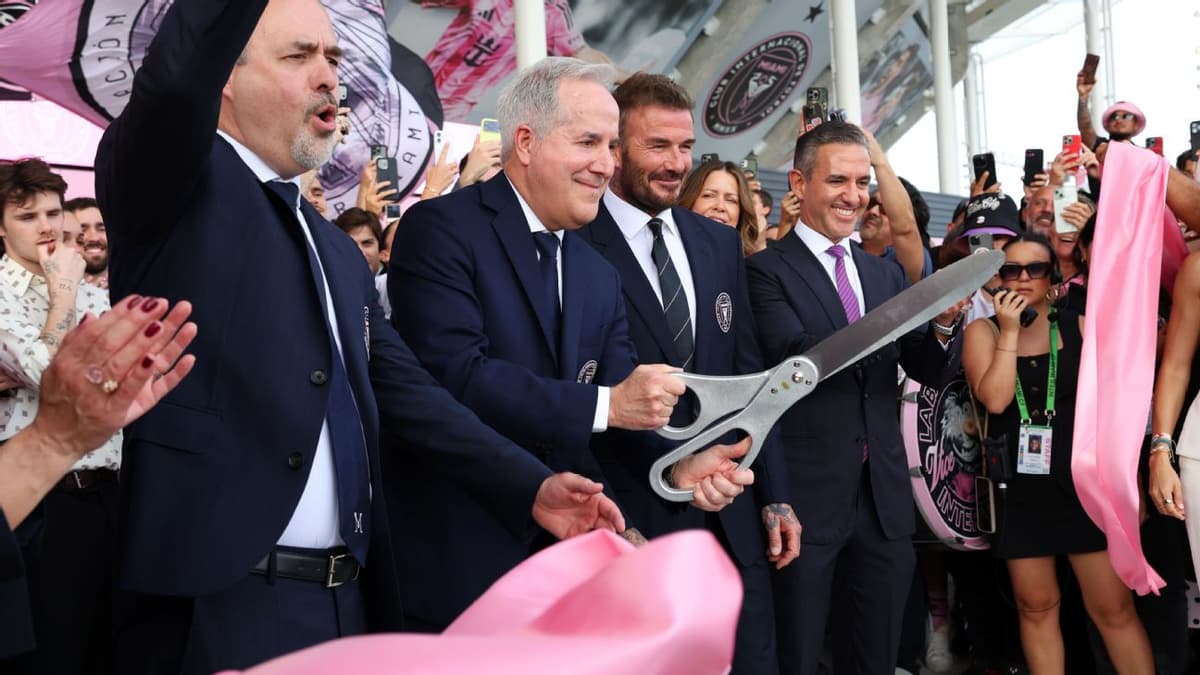
The core of Inter Miami’s current success—Messi, Suarez, Busquets, and Alba—are all in the twilight of their careers. The challenge for ownership, led by Jorge Mas and David Beckham, is ensuring the drop-off in talent isn't catastrophic when these players retire or move on. The club has already begun investing heavily in younger talent to bridge this gap.
Key components of the future roster strategy include:
- The U22 Initiative: Utilizing MLS roster rules to bring in high-upside young players from South America.
- Global Scouting: Leveraging the "Inter Miami brand" to attract prime-age European stars who see Miami as a top-tier destination regardless of Messi's presence.
- Academy Integration: Developing local talent through the club's academy to ensure a pipeline of domestic contributors.
Maintaining Global Commercial Relevance
One of the biggest concerns for the Inter Miami future is whether the massive commercial deals signed during the Messi era will dwindle. To combat this, the club has focused on securing long-term partnerships that extend well past Messi’s current contract. By positioning Inter Miami as a lifestyle brand synonymous with South Florida culture, the front office aims to keep the "Herons" at the forefront of the global soccer conversation.
The club's valuation has already skyrocketed, surpassing the $1 billion mark. Maintaining that valuation requires consistent performance on the pitch and a continued presence in international competitions like the FIFA Club World Cup. As the club prepares for the 2026 season and the opening of their new home, the goal is clear: ensure that the foundation built by Messi serves as a launchpad for decades of success, rather than a fleeting peak in the club's history.
Sources & Original Reporting