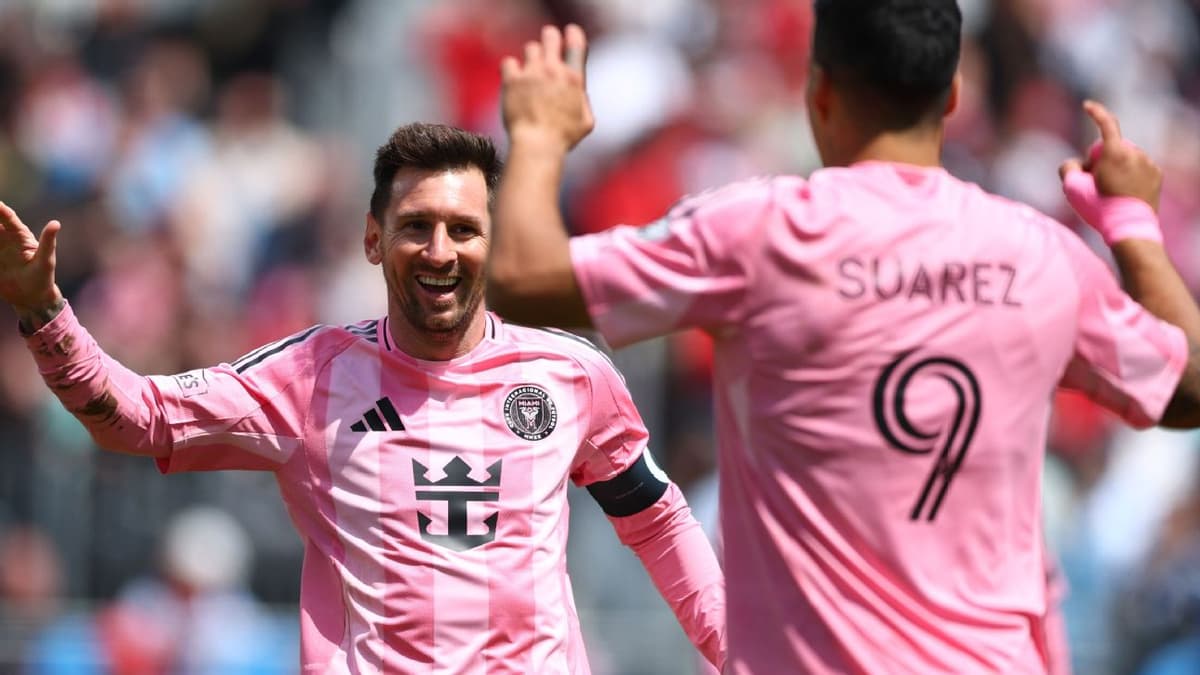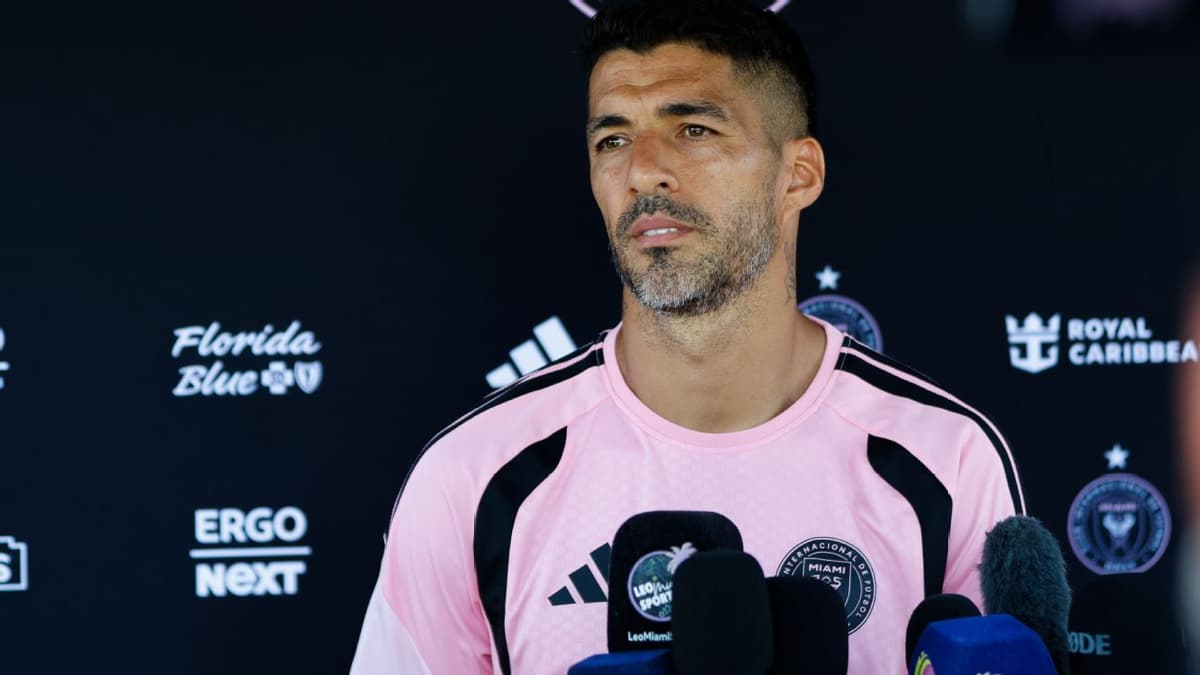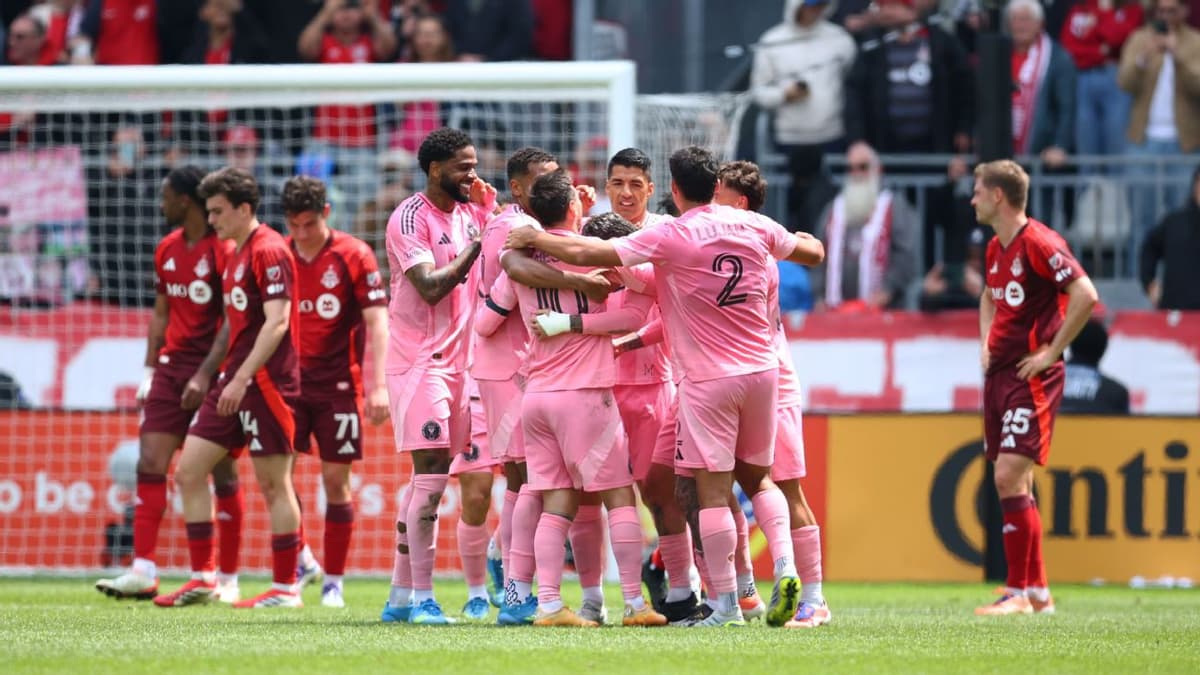
The current landscape of Major League Soccer is undeniably defined by the Inter Miami star power that has swept across the North American continent. Since the arrival of Lionel Messi, Sergio Busquets, and Jordi Alba, followed by the clinical addition of Luis Suarez, the Herons have become the most watched and feared team in the league. However, as Miami continues to overwhelm opponents with individual brilliance and veteran savvy, a ghost from the MLS past lingers in the north. Toronto FC, once the gold standard of big-spending success, now serves as a stark warning that high-profile investments do not guarantee permanent residency at the top of the table.
The Current Reign of Inter Miami Star Power
There is no denying that the Inter Miami star power has fundamentally altered the trajectory of the club. From a team struggling at the bottom of the Eastern Conference to a Supporters' Shield contender and Leagues Cup champion, the transformation has been surgical. The chemistry between the former Barcelona quartet has proven to be too much for many MLS defenses to handle, creating a spectacle that draws sell-out crowds in every city they visit.
However, the reliance on top-tier talent brings with it a unique set of pressures and risks. The Herons have built a roster that is heavy at the top, utilizing nearly every mechanism available in the MLS roster rules to fit their superstars under the cap. While this has resulted in immediate silverware and global relevance, the club must manage its long-term strategy carefully to avoid a sudden and painful decline once the current era of legends concludes.
The Toronto FC Blueprint: From Treble to Mid-Table
To understand the danger facing Miami, one must look back at the 2017 season of Toronto FC. At that time, the Reds were the undisputed kings of MLS. With a roster anchored by Sebastian Giovinco, Jozy Altidore, and Michael Bradley, Toronto achieved the first domestic treble in MLS history, winning the MLS Cup, the Supporters' Shield, and the Canadian Championship. They were the "super team" of their era, proving that spending big on the right Designated Players could lead to total dominance in a parity-driven league.
However, the fall from grace for the Canadian side was as swift as its rise. Today, Toronto FC finds itself mired in the middle of the pack, struggling for consistency despite continued heavy investment in Italian stars Lorenzo Insigne and Federico Bernardeschi. The lesson for the league is clear: spending money is only half the battle. Maintaining a cohesive, deep, and motivated roster is the true challenge in a league designed to pull successful teams back toward the mean.
Why the Toronto Cautionary Tale Matters
While Inter Miami star power wins games through moments of magic, roster depth is what sustains a dynasty. Toronto’s recent struggles highlight what happens when the gap between the highest-paid stars and the rest of the roster becomes too wide. In MLS, the salary cap and strict roster rules are designed to punish top-heavy teams if their stars are sidelined or lose form. Miami has done well to integrate young talent like Diego Gomez and Benjamin Cremaschi, but they must remain vigilant about the following factors:
- The Age Factor: Miami’s core stars are in the twilight of their careers, necessitating a clear and immediate succession plan to avoid a talent vacuum.
- Salary Cap Management: Balancing the massive contracts of superstars with quality "middle-class" MLS players is a constant tightrope walk that requires elite scouting.
- Tactical Flexibility: Relying on individual brilliance can become predictable if the supporting cast isn't developed to take the pressure off the main stars.
Avoiding the 'Retirement Home' Stigma
One of the primary criticisms leveled at both Toronto and Miami at various points is the perception of the league being a "retirement home" for aging European stars. While the Inter Miami star power has produced undeniable results on the pitch, the club must ensure that the internal culture remains competitive and hungry. Toronto’s current predicament stems partly from a disconnect between high-earning individuals and the collective output of the team. For the Herons to sustain their success, the "Messi effect" must translate into a lasting infrastructure that survives long after the legends have hung up their boots.
Conclusion: A Path Forward for the Herons
Inter Miami currently enjoys a level of global attention and domestic success that most MLS clubs can only dream of. Yet, the history of the league is littered with ambitious projects that burned bright before fading into mediocrity. By heeding the cautionary tale of Toronto FC, Miami can focus on building a sustainable dynasty rather than a fleeting moment of brilliance. The goal should not just be to overwhelm with Inter Miami star power today, but to establish a standard of excellence that keeps the club at the forefront of North American soccer for years to come.
Sources & Original Reporting