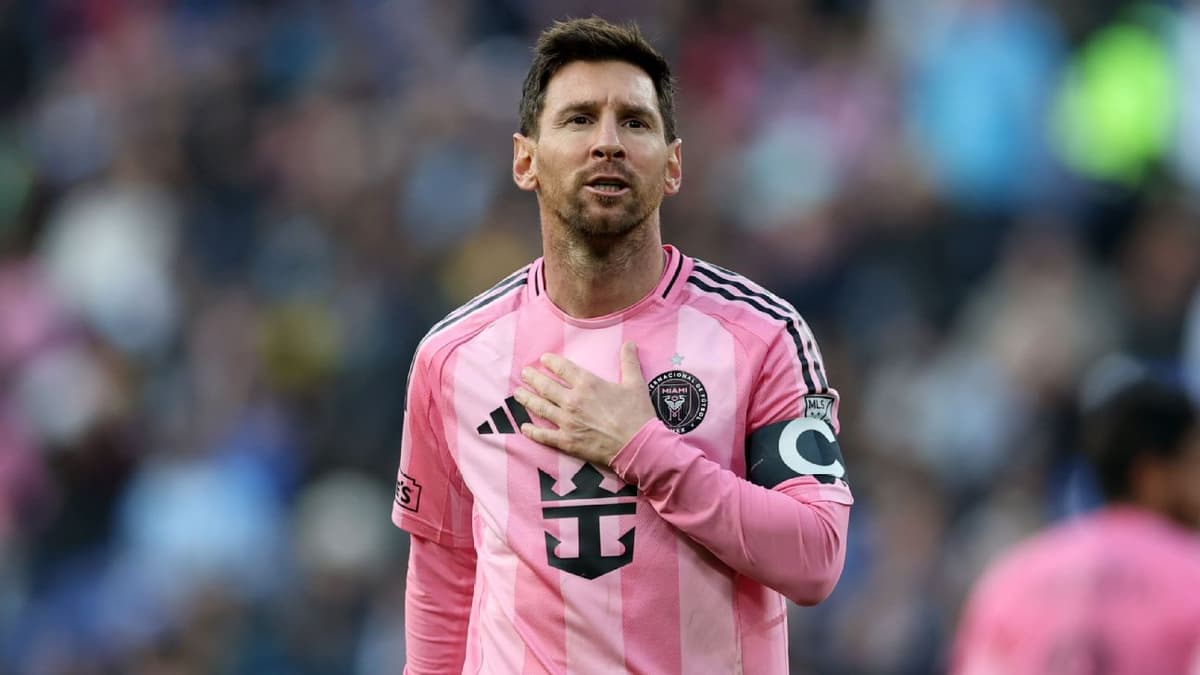
When Lionel Messi made the seismic decision to join Major League Soccer, the sports world knew the financial implications would be historic. However, the exact figures behind the deal have remained largely a matter of speculation—until now. Inter Miami CF co-owner Jorge Mas has officially confirmed that the Lionel Messi Inter Miami salary sits between $70 million and $80 million per year, a figure that includes the legendary forward's ownership shares in the club.
Breaking Down the Lionel Messi Inter Miami Salary
The revelation from Jorge Mas provides a rare glimpse into the complex financial structure required to bring the greatest player of his generation to the United States. While the base salary for a typical MLS Designated Player is often measured in the single millions, Messi’s compensation package is in a stratosphere of its own. According to Mas, the $70 million to $80 million annual range represents a comprehensive valuation of Messi's total compensation.
Crucially, this figure is not comprised solely of liquid cash or weekly wages. A significant portion of this valuation is tied to ownership shares in Inter Miami CF. By granting Messi equity in the franchise, the club has ensured that the Argentine captain is not just a player on the pitch but a long-term stakeholder in the organization's growth and valuation. This structure mirrors the landmark deal that brought David Beckham to the LA Galaxy in 2007, which famously included an option to purchase an MLS expansion team for a fixed price.
The Strategic Value of Equity and Ownership
For Inter Miami, offering Lionel Messi a piece of the team was a masterstroke in recruitment. Since Messi's arrival in South Florida, the club's valuation has skyrocketed, recently being estimated at over $1 billion. By including equity in the Lionel Messi Inter Miami salary package, the ownership group—led by Jorge Mas, Jose Mas, and David Beckham—has aligned Messi’s personal financial success with the commercial success of the franchise.
Mas emphasized that this deal was designed to be transformative for both the player and the league. The inclusion of ownership stakes ensures that Messi remains incentivized to elevate the Inter Miami brand even after his playing days conclude. This long-term partnership is a cornerstone of the club's strategy to become a global powerhouse in professional soccer.
How Messi’s Earnings Compare to the Global Market
To put the Lionel Messi Inter Miami salary into perspective, one must look at the global landscape of professional sports. At $70M-$80M per year, Messi remains one of the highest-paid athletes in the world, rivaling the earnings of top stars in the NBA, NFL, and European soccer leagues. While the Saudi Pro League has offered even higher base salaries to aging stars, the Inter Miami deal is unique due to its integration of equity and commercial partnerships with league sponsors like Apple and Adidas.
The financial impact of Messi's presence extends far beyond his own paycheck. Since his debut, MLS has seen a massive surge in MLS Season Pass subscriptions on Apple TV, and Inter Miami has consistently sold out stadiums across the country, often with ticket prices reaching unprecedented levels for American soccer. The revenue generated by "Messi-mania" has helped justify the massive investment made by the Mas family and the Inter Miami ownership group.
The Future of Inter Miami and the Messi Legacy
The confirmation of these figures highlights the sheer ambition of Inter Miami CF. By securing Messi through a combination of high-level wages and ownership incentives, the club has set a new benchmark for how MLS teams can compete for world-class talent. As Messi continues to lead the team on the pitch, his role as a future owner ensures that his influence on the American soccer landscape will be felt for decades to come.
With Inter Miami currently positioned as a frontrunner in MLS competition, the investment appears to be paying off both competitively and financially. Jorge Mas's transparency regarding the Lionel Messi Inter Miami salary reinforces the idea that the club is playing a different game than its peers, focusing on global branding and long-term equity rather than traditional roster building.
Sources & Original Reporting