The global spotlight has officially shifted to North America as the 2026 World Cup arrives, and Major League Soccer is enjoying its most significant moment on the international stage. In a historic achievement for the league, over 40 MLS players in the 2026 World Cup have been called up to represent their respective national teams. This record-breaking figure underscores the league's evolution from a regional competition into a vital contributor to the global game.
The Growing Global Influence of MLS
For years, the narrative surrounding MLS focused on its ability to attract veteran stars in the twilight of their careers. However, the rosters for the 2026 tournament tell a much more complex and impressive story. The MLS players in the 2026 World Cup represent a sophisticated blend of elite international icons, established mid-career professionals, and high-potential young talents who have used the league as a primary development ground.
With the tournament hosted across the United States, Canada, and Mexico, the domestic league serves as more than just a talent pool; it provides a logistical and environmental familiarity for many of the world’s top competitors. From the humidity of the South to the high-altitude conditions in the West, MLS players are uniquely prepared for the rigors of a North American summer tournament.
Key MLS Players in the 2026 World Cup: Top Representatives
While the full list of over 40 participants spans nations from nearly every confederation, several high-profile names stand out as the faces of the league on the world stage. These players are expected to play pivotal roles for their countries as they navigate the group stages and beyond.
The South American Contingent
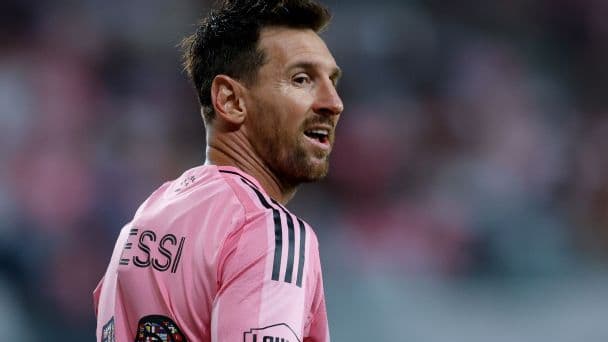
South American powerhouses continue to find immense value in the MLS player pool. Leading the way is Lionel Messi (Inter Miami CF), whose presence in the league has fundamentally changed the global perception of American soccer. Joining him from the Inter Miami ranks is veteran striker Luis Suárez, representing Uruguay. Other notable South American stars include:
- Facundo Torres (Orlando City SC): A dynamic winger for Uruguay.
- Juan Camilo "Cucho" Hernández (Columbus Crew): The versatile forward representing Colombia.
- Cristian Arango (Real Salt Lake): A key attacking option for the Colombian national team.
The Co-Host Core: USA and Canada
The United States and Canada national teams rely heavily on the depth provided by their domestic league. While many starters ply their trade in Europe, the tactical reliability of MLS-based players remains the backbone of both squads. Key names include:
- Walker Zimmerman (Nashville SC): The veteran center-back providing leadership for the USMNT.
- Miles Robinson (FC Cincinnati): A crucial defensive anchor for the United States.
- Jonathan Osorio (Toronto FC): The midfield engine for the Canadian national team.
- Kamal Miller (Portland Timbers): A versatile defender for Canada.
- Dayne St. Clair (Minnesota United): Providing elite shot-stopping depth for the Canadian goalkeeping corps.
Global Representation
The reach of MLS extends far beyond the Americas. European and African nations have increasingly turned to the league to fill out their 26-man rosters. Olivier Giroud (LAFC) remains a focal point for France, while Dániel Gazdag (Philadelphia Union) represents Hungary. Other global stars include Andre Blake (Philadelphia Union) for Jamaica and Denis Bouanga (LAFC) for Gabon, highlighting the league's diverse talent profile.
Impact on the Domestic Season
The inclusion of so many MLS players in the 2026 World Cup presents a unique challenge for the league's schedule. Unlike many European leagues that follow a winter calendar, MLS is in the heart of its regular season during the tournament. The league has implemented strategic breaks to accommodate the international window, but the physical toll on these athletes will be a major storyline when they return to their club teams.
For the clubs, having their players perform on the world's biggest stage is a double-edged sword: it provides immense prestige and proof of quality, but it also increases the risk of fatigue and injury. As the tournament progresses, MLS medical and coaching staffs will be monitoring their stars closely, ensuring that the league's best are ready for the final push toward the MLS Cup Playoffs later this year.
Sources & Original Reporting