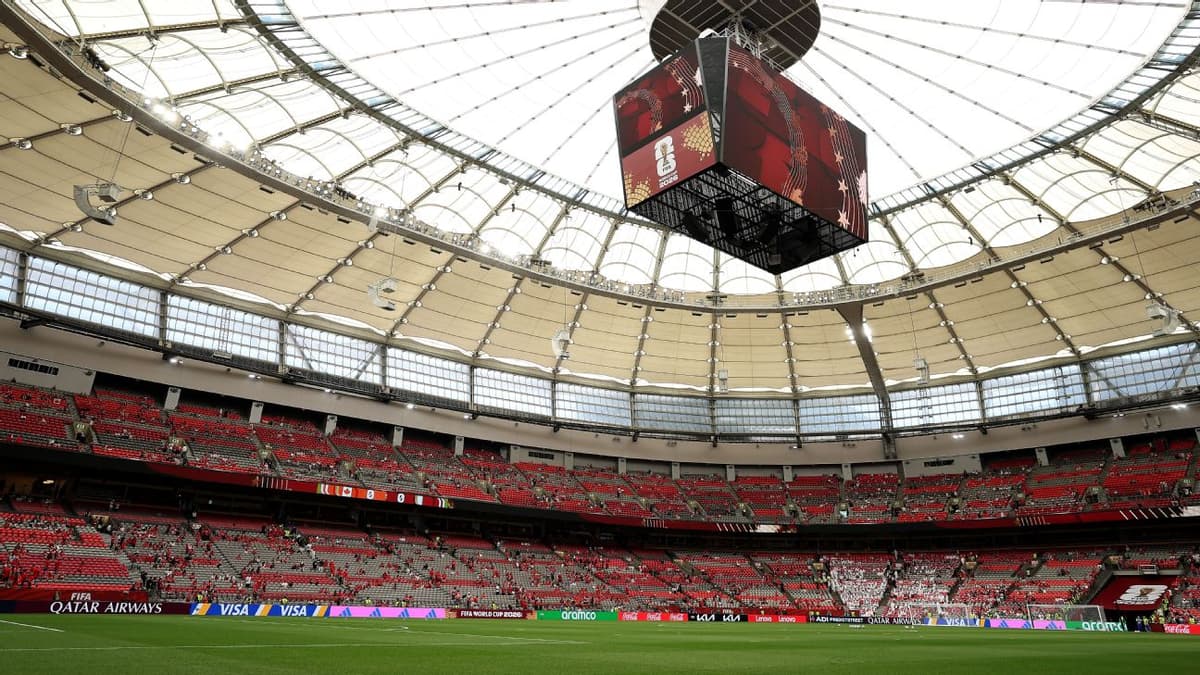
Major League Soccer Commissioner Don Garber has sent a clear message to the city of Vancouver: the clock is ticking on the club’s current infrastructure. Speaking in Seattle on Friday ahead of the United States Men’s National Team’s World Cup victory over Australia, Garber emphasized that a new Vancouver Whitecaps stadium deal is no longer just a preference, but a necessity for the franchise's long-term survival in British Columbia.
The Commissioner’s Ultimatum on Infrastructure
During his media availability, Garber was direct about the challenges facing the Whitecaps. While the team has called BC Place home since joining the league in 2011, the Commissioner indicated that the status quo is no longer sustainable within the rapidly evolving landscape of North American professional soccer. According to Garber, securing a new Vancouver Whitecaps stadium deal is the primary factor that will determine whether the team remains in the city or is forced to look at alternative markets.
The timing of these comments is significant. As the eyes of the world turn toward North America for the World Cup, the standards for MLS facilities are being raised. Garber’s remarks suggest that the league is moving away from shared, multi-purpose venues that do not offer the specific revenue streams and fan experiences provided by modern, soccer-specific stadiums.
The Challenges of BC Place
The Vancouver Whitecaps currently play at BC Place, a stadium owned by the provincial government through BC Pavilion Corporation (PavCo). While the venue is iconic and centrally located, it presents several hurdles for a modern MLS franchise:
- Artificial Turf: The league has increasingly favored natural grass surfaces to protect player health and attract international superstars.
- Scheduling Conflicts: As a shared venue with the BC Lions of the CFL and various major concerts, the Whitecaps often face limited flexibility in scheduling.
- Revenue Control: Without ownership or primary control over the stadium, the club misses out on key revenue streams such as concessions, parking, and non-match day events that are vital for competing with high-spending teams in the league.
Garber noted that for the Whitecaps to remain competitive and financially viable, the infrastructure must evolve. The league has seen a massive wave of soccer-specific stadium construction over the last decade, and Vancouver is now among a shrinking group of clubs without a dedicated home.
A Critical Moment for the Vancouver Whitecaps Stadium Deal
The Commissioner’s statement serves as a high-stakes nudge to local government officials and the club’s ownership group. By stating that a deal is "crucial to keep the Whitecaps in Vancouver," Garber has effectively moved the conversation from a long-term goal to an immediate priority. The league's growth has made MLS franchises highly sought-after commodities, and several cities across North America are currently vying for a spot in the top flight.
For the fans in Vancouver, the news is a mixture of concern and hope. While the threat of relocation is a sobering prospect, the push for a new facility could lead to a world-class environment tailored specifically for the Vancouver Whitecaps. A soccer-specific stadium would likely offer a more intimate atmosphere, better sightlines, and a permanent home that reflects the club’s identity.
Looking Ahead: The Path to Sustainability
What happens next will depend on the negotiations between the club, the league, and the city. Garber did not provide a specific timeline for when a deal must be reached, but his presence in the Pacific Northwest—a region that prides itself on its rich soccer culture—underscores the importance of the Vancouver market to the league's footprint.
As the MLS continues to expand its reach and improve its global standing, the pressure on "legacy" markets to upgrade their facilities will only intensify. The Vancouver Whitecaps stadium deal is now the most significant storyline surrounding the club, overshadowing on-field performance as the organization looks to secure its future in the Canadian market.
The Whitecaps have a deep-rooted history in Vancouver, dating back to the NASL era. However, as Commissioner Garber made clear this week, history alone is not enough to sustain a modern MLS franchise. The focus now shifts to the boardroom, where the future of professional soccer in Vancouver will be decided.
Sources & Original Reporting