The 2026 NBA Playoffs have reached a fever pitch, leaving only four teams standing in the quest for the Larry O'Brien Trophy. While the on-court action has been electric, the real story for front offices across the league lies in how these four rosters were constructed. The Oklahoma City Thunder, San Antonio Spurs, New York Knicks, and Cleveland Cavaliers have each taken distinct paths to the Conference Finals, providing essential NBA roster building lessons for the remaining 26 teams currently watching from the sidelines.
The Oklahoma City Thunder: A Masterclass in Asset Management
For years, the Oklahoma City Thunder were the subject of scrutiny for their unprecedented accumulation of draft picks. In 2026, that strategy has officially paid dividends. The Thunder’s journey to the Western Conference Finals is a testament to the power of extreme patience and elite scouting. By leveraging their draft capital to secure a core of versatile, high-IQ players, Sam Presti has built a sustainable contender that is as deep as it is talented.
The primary lesson here is the value of internal development. Rather than rushing to trade for a disgruntled superstar, the Thunder allowed their young core to grow together, weathering the growing pains of early exits to emerge as a cohesive unit. Their roster features a blend of home-grown stars and savvy role players acquired through the draft, proving that a "slow burn" approach can lead to a championship-caliber ceiling.
The San Antonio Spurs: Maximizing Generational Talent
The San Antonio Spurs’ return to NBA relevance has been nothing short of meteoric, centered largely around the evolution of Victor Wembanyama. However, the lesson from San Antonio isn't just "get a generational talent"; it is about what you do once you have one. The Spurs front office has been surgical in surrounding their centerpiece with the right complementary pieces.
Instead of chasing names, the Spurs focused on functional fit. They prioritized length, defensive versatility, and perimeter shooting to create space for their star to operate. By adding veteran leadership at key positions to stabilize the locker room, San Antonio avoided the pitfalls that often plague young teams with singular superstars. Their presence in the 2026 Conference Finals highlights the importance of building a system that accentuates a star's strengths rather than asking the star to mask the roster's weaknesses.
The New York Knicks: Identity-Driven Roster Construction
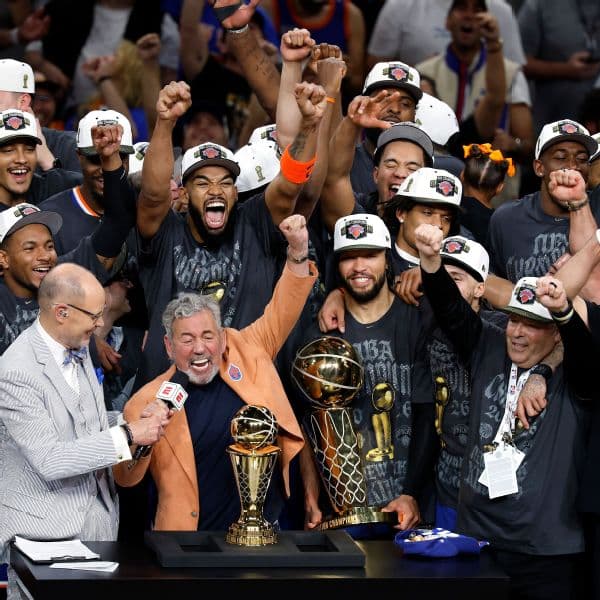
In the Eastern Conference, the New York Knicks have proven that a clear organizational identity is just as important as raw talent. The Knicks’ roster is a reflection of a specific brand of basketball: physical, defensive-minded, and relentless. Their NBA roster building lessons center on the concept of "cultural fit."
The Knicks didn't just look for the best available players; they looked for "Knicks players." Through aggressive trades and targeted free-agent signings, they assembled a group that thrives under pressure and embraces the grind of a deep playoff run. The synergy between the front office and the coaching staff has ensured that every acquisition serves a specific purpose, resulting in a team that is often greater than the sum of its parts. Their success serves as a reminder that chemistry and shared purpose can often overcome a perceived talent gap.
The Cleveland Cavaliers: The Power of Continuity and Fit
The Cleveland Cavaliers reached the 2026 Conference Finals by doubling down on a vision that many outsiders questioned. While other teams frequently shuffle their starting lineups in search of a spark, the Cavaliers leaned into roster continuity. By keeping their core together through multiple seasons, they developed a level of on-court telepathy that is rare in the modern NBA.
Cleveland’s strategy involved making minor, surgical adjustments rather than sweeping changes. They identified the specific gaps in their rotation—primarily wing depth and secondary playmaking—and filled them with players who fit the existing timeline of their stars. This approach has allowed them to maintain a top-tier defense while evolving into a more dynamic offensive threat. The takeaway for the rest of the league is clear: sometimes the best move is the one you don't make, provided you have the right foundation in place.
Key Takeaways for Future Contenders
- Drafting is only the start: Developing those players in a consistent system is what creates contenders.
- Fit over Fame: High-profile acquisitions only work if they complement the existing core's skill sets.
- Patience pays off: The Thunder and Cavs show that sticking to a long-term plan can yield better results than short-term fixes.
- Identity matters: A team with a clear style of play, like the Knicks, can outperform more talented rosters that lack cohesion.
As we watch the Thunder, Spurs, Knicks, and Cavs battle for a spot in the NBA Finals, these NBA roster building lessons will undoubtedly shape the strategies of front offices heading into the 2026 offseason. Whether through the draft, trades, or internal growth, these four franchises have provided a blueprint for how to reach the pinnacle of professional basketball.
Sources & Original Reporting