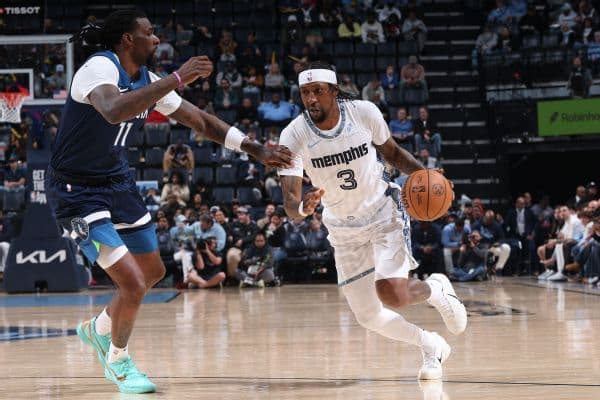
In a season defined by growth and the search for consistent contributors, the Washington Wizards may have found a significant spark in their young guard. Friday night’s matchup against the Indiana Pacers belonged to one man, as Alondes Williams delivered an Alondes Williams career night that few saw coming. In just his 11th NBA game, Williams showcased the poise of a veteran, leading Washington to a decisive 131-118 victory and completing a clean sweep of their back-to-back set against Indiana.
The Alondes Williams Career Night: A Statistical Breakdown
Stepping onto the court with limited NBA experience, Alondes Williams seized the opportunity provided by the Wizards’ rotation. The young guard was the focal point of the offense, finishing the night with career-high marks in multiple categories. Williams recorded 25 points and 10 rebounds, marking his first career double-double and proving to be the difference-maker in a high-scoring affair.
His efficiency was the story of the game. Williams attacked the rim with confidence and showed a refined touch from the perimeter, keeping the Pacers' defense off-balance for all four quarters. Beyond the scoring, his 10 rebounds highlighted a commitment to the glass that helped Washington control the tempo and limit Indiana’s second-chance opportunities. For a player in only his 11th professional outing, the performance was a testament to his readiness to compete at the highest level.
Wizards Complete the Back-to-Back Sweep
Winning two games in a row against the same opponent is never an easy task in the NBA, especially in a back-to-back scenario. However, the Washington Wizards managed to solve the Indiana Pacers for the second night in a row. Following their previous win, the Wizards entered Friday’s contest with a clear blueprint: high-octane offense and aggressive transition play.
The 131-118 final score reflects a game where Washington’s offense was clicking on all cylinders. By sweeping the set, the Wizards have demonstrated a level of consistency that has been elusive at times this season. The victory was not just about individual brilliance but about a collective effort that saw the team move the ball effectively and find the open man, often resulting in high-percentage shots for Williams and his teammates.
Key Factors in the 131-118 Victory
Several factors contributed to the Wizards' dominant showing on Friday night:
- Offensive Efficiency: Putting up 131 points requires elite shooting. Washington found success both in the paint and from beyond the arc.
- Rebounding Margin: Led by Williams’ 10 boards, the Wizards were able to secure defensive rebounds and push the pace immediately.
- Bench Production: The depth of the Wizards was on display, as the supporting cast maintained the lead whenever the starters rested.
- Managing the Pacers' Pace: Indiana is known for their fast-break style, but Washington managed to match their energy and force the Pacers into difficult half-court sets.
Looking Ahead for Washington and Indiana
For the Indiana Pacers, this loss marks a frustrating conclusion to the back-to-back series. Despite their efforts to claw back into the game, they were unable to contain the Wizards' momentum or find an answer for Williams’ breakout performance. They will look to regroup and address the defensive lapses that allowed 131 points on their home floor.
For the Wizards, the focus remains on development and building on this momentum. While the Alondes Williams career night will grab the headlines, the coaching staff will likely be equally pleased with the team's overall execution. As Williams continues to integrate into the lineup, his ability to provide scoring and rebounding from the guard position could become a vital asset for Washington moving forward.
The Wizards exit this series with a renewed sense of confidence, having proven they can handle the pressure of consecutive games against a divisional rival. With players like Williams stepping into the spotlight, the future looks increasingly bright for the franchise as they continue their campaign.
Sources & Original Reporting