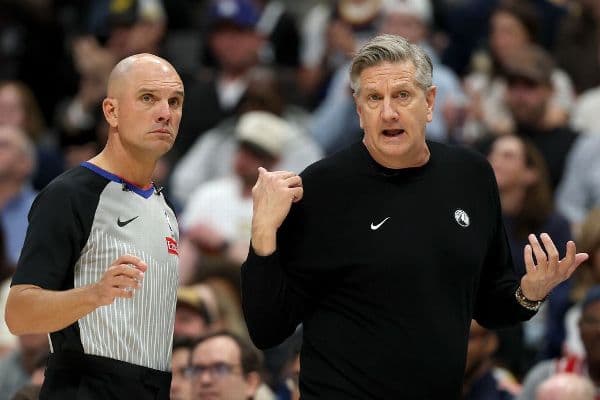
The intensity of the NBA playoffs often brings officiating into the spotlight, and following the Minnesota Timberwolves' Game 1 matchup against the Denver Nuggets, the focus has shifted squarely onto the whistle. Timberwolves coach Chris Finch expressed clear dissatisfaction with how the game was called, specifically highlighting a perceived lack of balance in how contact is officiated for his players compared to the opposition.
The primary point of contention for the Minnesota sideline was the frequency with which Nuggets star Jamal Murray reached the charity stripe. Murray finished the contest with 16 free throw attempts, a number that Finch suggested was disproportionate to the physical nature of the game and the way the Timberwolves were being defended on the other end of the floor.
The Disparity at the Charity Stripe
In a high-stakes postseason environment, every possession carries immense weight. When one player is able to generate 16 attempts from the free-throw line, it fundamentally alters the rhythm of the game and the defensive aggression allowed by the opposing team. For Timberwolves coach Chris Finch, the issue isn't just the number of fouls called against his team, but the lack of similar calls for his own players when they drive to the basket.
Finch noted that his team’s offensive approach often involves playing through contact rather than reacting to it. This physical style, while effective for maintaining momentum, appears to be working against them in the eyes of the officials. According to Finch, the Timberwolves are being penalized for their strength and their refusal to exaggerate contact to draw the whistle.
Timberwolves Coach Chris Finch on the "Flopping" Culture
One of the more pointed remarks from Finch’s post-game assessment involved the controversial topic of flopping. The NBA has made efforts to curb non-basketball moves and exaggerated falls, but Finch suggested that the current officiating trends might actually be rewarding those very behaviors.
"Maybe we gotta start flopping," Finch remarked, reiterating his frustration. The comment highlights a growing concern among coaches who feel that players who stay on their feet and attempt to finish through contact are being ignored by officials, while those who sell the contact are rewarded with frequent trips to the line.
The Timberwolves have built an identity around being a tough, physical defensive and offensive unit. However, if the officiating continues to favor players who emphasize contact, Finch’s comments suggest that the team may have to reconsider how they approach individual matchups, particularly when guarding elite scorers like Murray.
The Impact on Minnesota's Defensive Strategy
The frustration voiced by Finch isn't just about the points lost at the line; it’s about the tactical limitations it places on his defenders. When a primary scorer like Jamal Murray is getting a favorable whistle, defenders often become tentative, fearing foul trouble. This creates a ripple effect, allowing the Nuggets' offense more space to operate and making it difficult for Minnesota to maintain their signature defensive pressure.
Finch’s public critique of the officiating is a common postseason tactic used by coaches to draw attention to perceived inequities before the next game in a series. By highlighting the 16 free throws awarded to Murray, Finch is clearly hoping for a more balanced approach from the officiating crew in Game 2.
Key Stats from the Game 1 Officiating
- Jamal Murray: 16 free throw attempts.
- Timberwolves Team Philosophy: Emphasis on playing through physical contact.
- Coach's Stance: Concern that "non-flopping" teams are being disadvantaged.
Looking Ahead to Game 2
As the series progresses, the dynamic between the players and the officials will remain a major storyline. The Timberwolves must find a way to maintain their physicality without sending the Nuggets to the line at such a high rate. Simultaneously, the offensive unit will likely be looking for more consistency in how contact is called when they attack the paint.
Whether Finch’s comments lead to a change in how the games are officiated remains to be seen, but the message is clear: the Timberwolves believe they are being held to a different standard than their opponents. As they prepare for the next chapter of this series, the focus will be on adjusting their play while hoping for a whistle that rewards their brand of basketball.
Sources & Original Reporting