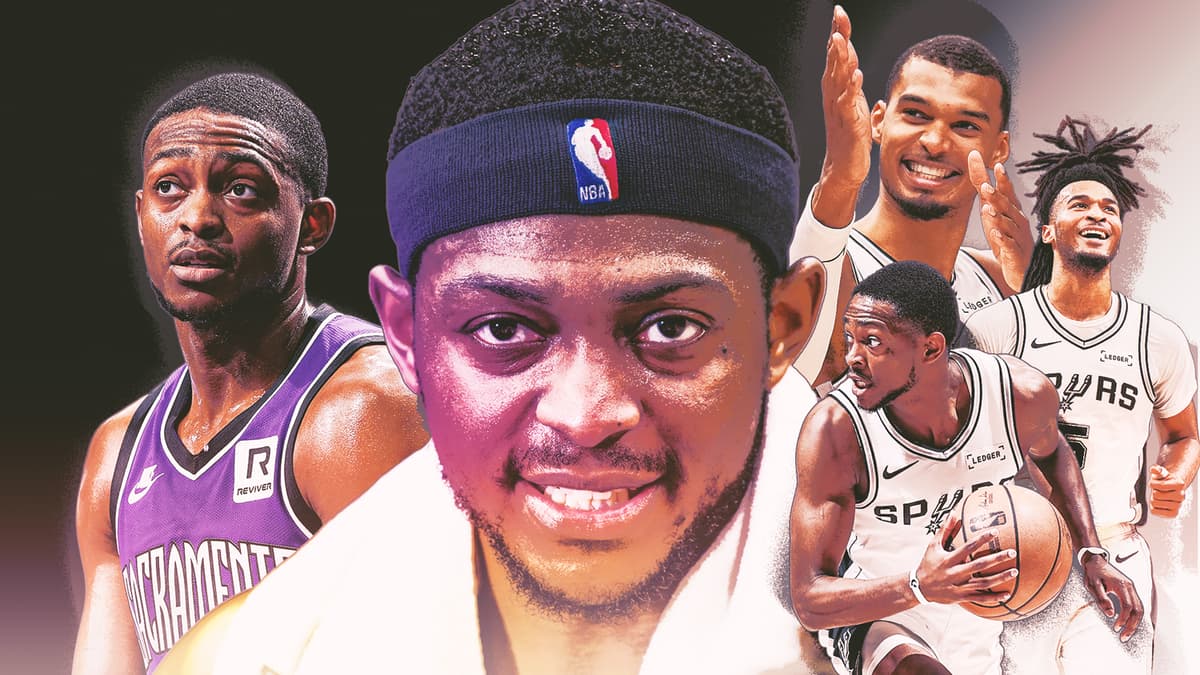
When De'Aaron Fox decided to move on from the Sacramento Kings, the NBA landscape shifted significantly. While many expected the lightning-fast point guard to seek out a traditional title contender, Fox had his sights set on a specific destination: South Texas. By placing the San Antonio Spurs at the top of his list, Fox wasn't just looking for a new jersey; he was looking for a legacy. Today, that vision has come to fruition as Fox has established himself as the definitive veteran leader and the elite closer the Spurs desperately needed to complement their generational talent, Victor Wembanyama. The De'Aaron Fox San Antonio Spurs era has officially arrived, bringing a level of poise and experience that has accelerated the franchise's rebuild.
The Decision to Join the Silver and Black
The transition from a franchise cornerstone in Sacramento to a veteran leader in San Antonio was a calculated move by Fox. According to reports surrounding his departure, Fox specifically targeted the Spurs because of their culture and the opportunity to lead a young, hungry roster. Fox recognized that while the Spurs possessed an incredible amount of raw potential, they lacked the seasoned "closer" who could navigate the high-pressure environments of the fourth quarter. By choosing San Antonio, Fox stepped into a role that allowed him to use his elite speed and improved mid-range game to stabilize an offense that often leaned too heavily on its younger stars during crunch time.
His arrival has brought a sense of calm to the Frost Bank Center. In previous seasons, the Spurs often struggled with turnovers and poor shot selection in the final minutes of close games. With Fox at the point, those issues have largely dissipated. He acts as an on-court extension of Gregg Popovich, ensuring that the team gets the best possible look on every possession. This veteran presence has allowed the rest of the roster to play with more confidence, knowing they have a reliable hand guiding the ship when the game is on the line.
Mentoring the Next Generation
While Fox's scoring is his most visible contribution, his impact on the development of the team's young backcourt cannot be overstated. The Spurs have invested heavily in their future, and Fox has fully embraced the role of a mentor. He provides a blueprint for how a professional guard operates in the NBA, teaching the nuances of pace and the importance of knowing when to attack the rim versus when to pull up for a jumper.
Stephon Castle
Under Fox's guidance, Stephon Castle has shown significant growth in his defensive positioning and playmaking. Castle has the physical tools to be an elite defender, and Fox has helped him understand how to leverage that athleticism within the Spurs' system. By watching Fox navigate screens and manage the flow of the game, Castle is developing into a versatile secondary playmaker who can alleviate pressure on the primary ball-handlers.
Dylan Harper
Similarly, Dylan Harper has benefited from watching Fox’s meticulous preparation and professional approach. Harper is learning the intricacies of NBA floor spacing and how to exploit transition opportunities. Fox has been vocal in helping Harper identify mismatches and understand the timing required to succeed at the highest level. This mentorship ensures that the Spurs' backcourt is not just talented, but also highly disciplined.
The Two-Man Game: De'Aaron Fox, San Antonio Spurs, and Victor Wembanyama
The most terrifying prospect for the rest of the NBA is the burgeoning chemistry between Fox and Victor Wembanyama. In the closing minutes of tight games, the Spurs have moved toward a high pick-and-roll featuring these two stars that is nearly impossible to guard. This dynamic has transformed San Antonio from a team that struggled to finish games into one of the most dangerous fourth-quarter units in the league.
Exploiting the Pick-and-Roll
Wembanyama’s unique skill set allows Fox to operate with more space than he ever had in Sacramento. Because teams are so terrified of Wembanyama’s gravity near the rim, Fox often finds himself with wide-open driving lanes. Conversely, when Fox gets into the paint and draws the attention of multiple defenders, it opens up high-percentage opportunities for Wembanyama. If the defense drops to prevent a Wembanyama lob, Fox has the speed to get to his spot and knock down a floater or a mid-range jump shot. If the defense blitzes Fox, he has the vision to find the 7-foot-4 Frenchman for an easy finish or a kick-out to an open shooter.
Defining the Role of a Closer
Being a "closer" in the NBA is about more than just taking the last shot; it is about managing the game's final six minutes. For the San Antonio Spurs, De'Aaron Fox has become the personification of this role. He understands the rhythm of the game, knowing exactly when to push the tempo to catch a tired defense off guard and when to pull the ball back to milk the clock. His ability to draw fouls and convert at the free-throw line has given the Spurs a safety net they haven't had in years.
As the Spurs continue their ascent in the Western Conference, the presence of a veteran who has "been there and done that" remains their greatest asset outside of Wembanyama himself. As the NBA playoffs approach, all eyes will be on how this veteran-led Spurs team handles the increased intensity. With De'Aaron Fox at the helm, San Antonio is no longer just a "team of the future"—they are a threat in the present. The transition has been seamless, the leadership has been essential, and the results are starting to speak for themselves on the scoreboard.
Sources & Original Reporting