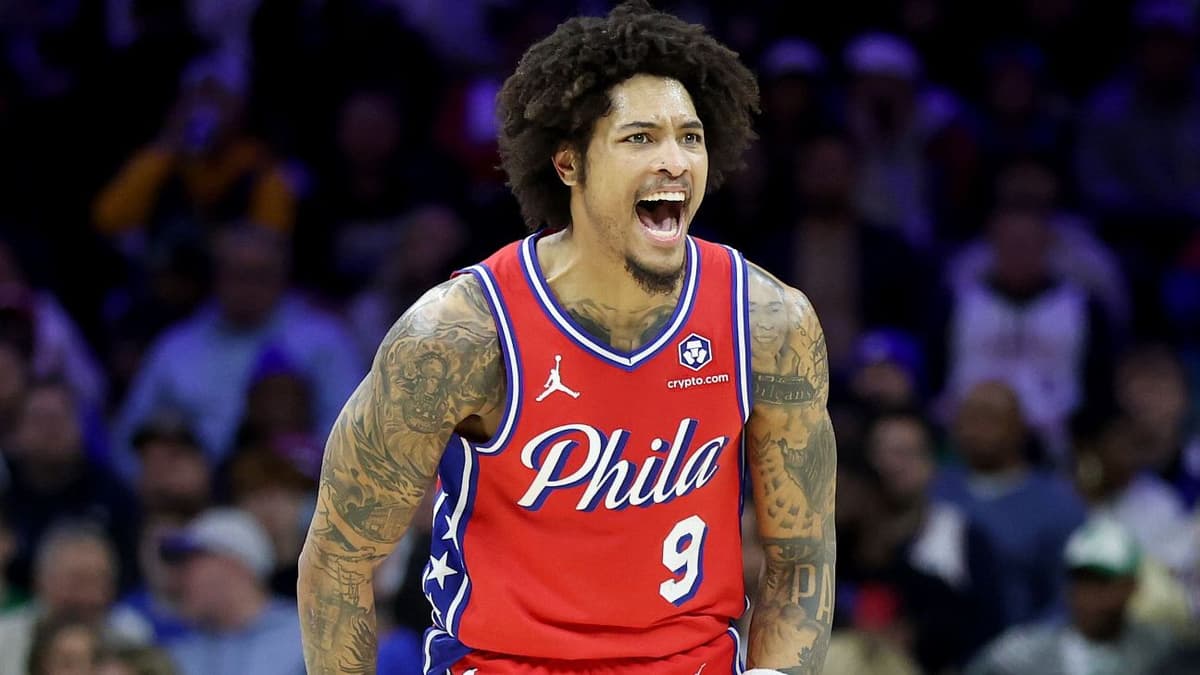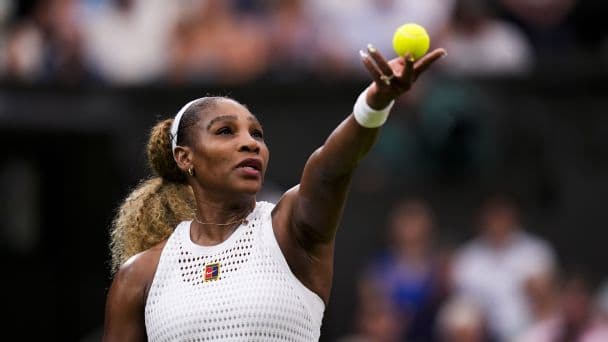
In the grueling world of professional athletics, the internal clock usually starts ticking toward retirement the moment a player hits their 30th birthday. For decades, the narrative was simple: reach your prime in your mid-20s, maintain it for a few years, and then gracefully exit as your body begins to fail. However, a select group of legendary figures has completely rewritten the script on longevity in professional sports, proving that age is often just a number when paired with elite discipline and evolution.
The NBA Standard: LeBron James and Kareem Abdul-Jabbar
When discussing longevity in professional sports, the conversation currently begins and ends with LeBron James. Now in his third decade in the NBA, James has maintained a level of physical dominance that was previously thought impossible for a player with his mileage. By continuing to average elite numbers and lead the Los Angeles Lakers deep into the postseason, James is following in the footsteps of Kareem Abdul-Jabbar.
Abdul-Jabbar famously played 20 seasons, utilizing his unstoppable skyhook to remain a scoring threat well into his 40s. Like Kareem, James has adapted his game, improving his perimeter shooting and playmaking to compensate for the natural loss of some of his youthful explosiveness. Their ability to remain All-NBA caliber players long after their peers retired has set a new benchmark for the league.
Redefining the Gridiron: Tom Brady and Peyton Manning
The NFL is perhaps the most physically taxing league in the world, yet Tom Brady managed to turn the quarterback position into a masterclass in aging. Brady’s career trajectory is an anomaly; he won a Super Bowl and an MVP award after turning 40, eventually playing until he was 45. His commitment to TB12 recovery methods and a strict diet allowed him to outlast nearly every contemporary from his draft class.
Similarly, Peyton Manning demonstrated that mental acuity can overcome physical decline. After multiple neck surgeries that threatened to end his career, Manning joined the Denver Broncos and produced one of the greatest statistical seasons in NFL history at age 37, eventually leading the team to a Super Bowl title in his final season. Both quarterbacks proved that a sharp mind and refined technique are the ultimate weapons against Father Time.
MLB Legends: Power and Precision Late in Life
Major League Baseball has seen several players thrive during what should have been their twilight years. Randy Johnson, the "Big Unit," is a prime example. The towering left-hander won four consecutive Cy Young Awards between the ages of 35 and 38, even throwing a perfect game at age 40. His dominance didn't fade with age; it arguably intensified.
On the offensive side, Barry Bonds and David Ortiz showcased incredible power late in their careers. Bonds’ statistical output in his late 30s remains some of the most prolific in the history of the sport. Meanwhile, "Big Papi" David Ortiz posted one of the greatest final seasons ever recorded, leading the league in doubles and RBIs at age 40 before retiring as a Boston Red Sox icon. These players showed that the "old man strength" trope has a very real basis in professional baseball.
Women’s Sports Icons: Serena Williams, Sue Bird, and Diana Taurasi
The standard for excellence in the face of aging is perhaps most evident in women’s sports. Serena Williams dominated the WTA for over twenty years, winning 10 of her 23 Grand Slam singles titles after turning 30. Her power and competitive fire remained unmatched, allowing her to reach Major finals well into her late 30s.
In the WNBA, Sue Bird and Diana Taurasi have become the faces of longevity. Bird retired at age 41 after a career that spanned two decades and included four championships and five Olympic gold medals. Taurasi, the league's all-time leading scorer, continues to compete at a high level, proving that the skill gap between veterans and younger players can be bridged through experience and basketball IQ.
What Drives This Longevity?
While genetics play a role, the common thread among these athletes is a relentless commitment to their craft. From Roger Clemens maintaining his velocity into his 40s to Diana Taurasi's rigorous training schedule, these icons prioritize recovery and adaptation. They have moved beyond simply being "old players" to becoming blueprints for the future of athletic performance.
Sources & Original Reporting