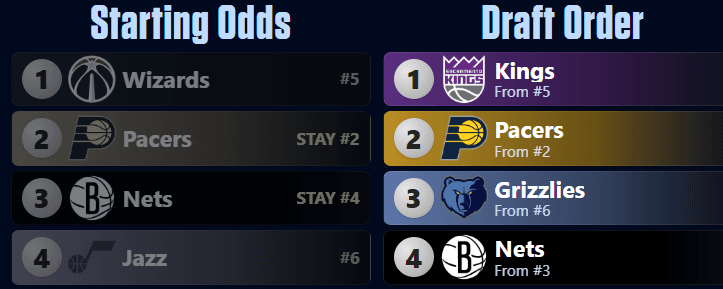
With the 2025-26 NBA regular season reaching its conclusion, the focus for 14 franchises has officially shifted from the standings to the lottery podium. As the basketball world prepares for the upcoming off-season, ESPN Analytics has released its official 2026 NBA draft lottery simulator. This tool allows fans and analysts to model the 14-team field and play out various scenarios for one of the most anticipated draft classes in recent years.
How the 2026 NBA Draft Lottery Simulator Works
The 2026 NBA draft lottery simulator is built upon the league's current weighted lottery system, which was designed to balance competitive integrity with the draft process. The tool accounts for the 14 teams that failed to qualify for the 2026 postseason, assigning them odds based on their final regular-season records. By running the simulation, users can see how the four top picks are randomly assigned before the remaining ten spots are filled by record in inverse order.
The Weighted Odds System
The simulator accurately reflects the changes made to the lottery format in 2019. The three teams with the worst records in the 2025-26 season each hold a 14% chance of securing the No. 1 overall pick. This flattened structure at the top is intended to discourage late-season tanking, making the 2026 NBA draft lottery simulator a vital tool for seeing just how much volatility exists in the current system. Even the team with the best odds has an 86% chance of falling out of the top spot, a reality that front offices must navigate every spring.
The Stakes of the 2026 NBA Draft
As we approach the actual lottery event in May, the 2026 class is being hailed by scouts as a potential franchise-altering group. Unlike previous years where a single prospect dominated the conversation, the 2026 field offers a diverse array of elite talent at the top of the board. The release of this simulator by ESPN Analytics provides a way to visualize which of the 14 lottery-bound teams will have the opportunity to select a cornerstone player.
Modeling the 14-Team Field
The 14 teams currently modeled in the simulator represent a mix of organizations in various stages of rebuilding. For teams that narrowly missed the play-in tournament, the simulator offers a glimpse at the slim—but real—possibility of jumping into the top four. For the teams at the bottom of the standings, the tool serves as a sobering reminder of the "lottery luck" required to secure the first choice. By playing out the field, users can generate thousands of different outcomes, highlighting the high-stakes nature of the upcoming draft night.
Strategic Implications for the Upcoming Off-Season
For NBA front offices, the results of the lottery will dictate their entire off-season strategy. A team that jumps into the top three might be more inclined to accelerate their rebuild through aggressive trades, while a team that slides down the board may need to pivot their scouting focus. The 2026 NBA draft lottery simulator allows fans to experience this tension firsthand, providing a data-driven look at the probabilities that will define the league's power structure for the next decade.
Data-Driven Projections
By utilizing ESPN Analytics' modeling, the simulator goes beyond a simple random number generator. It provides a statistical framework for understanding the most likely landing spots for the top picks. This level of analysis is crucial for fans of teams like the Detroit Pistons, San Antonio Spurs, or Washington Wizards, who are looking to add another elite piece to their young cores through the 2026 selection process.
Conclusion: Preparing for Draft Night
The arrival of the 2026 simulator marks the beginning of draft season in earnest. As the 14-team field is finalized and the lottery drawing approaches, this tool remains the gold standard for projecting the future of the league. Whether you are looking for a miracle jump for your favorite team or simply tracking the odds of the top prospects, the ESPN Analytics tool provides the most accurate simulation of the drama that will unfold on draft night this June.
Sources & Original Reporting