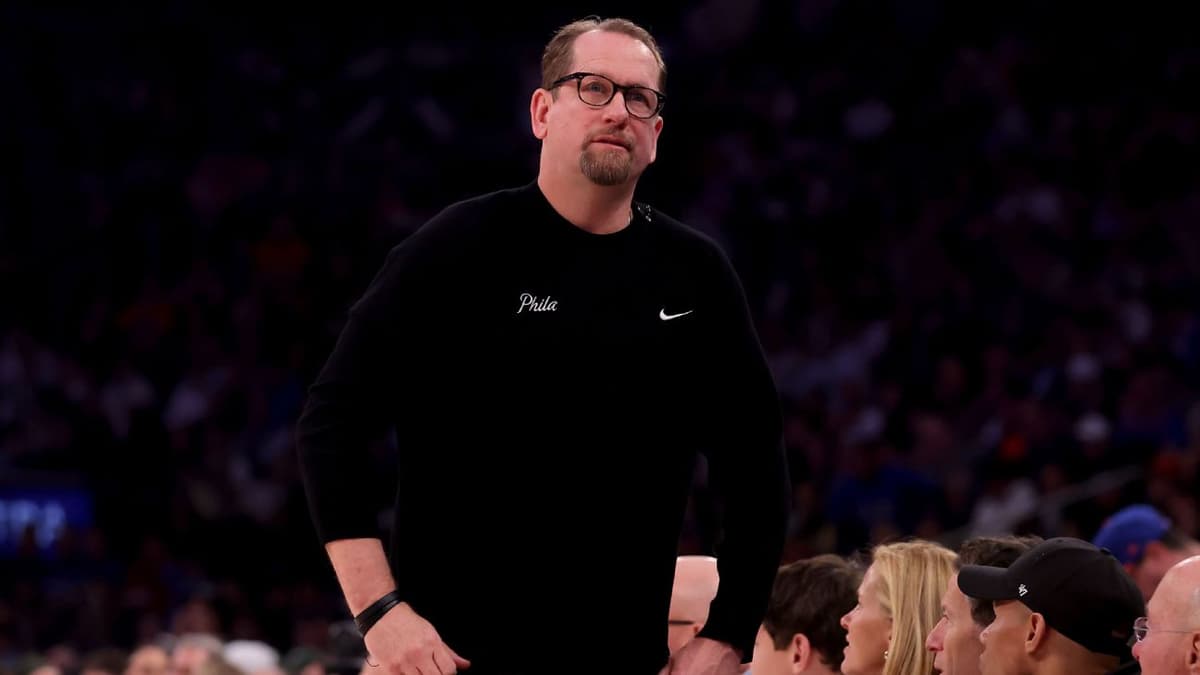
The NBA playoffs often hinge on a single momentum-shifting play, but following the Minnesota Timberwolves' Game 1 matchup against the San Antonio Spurs, head coach Chris Finch believes the momentum was dictated by a series of missed whistles. While the box score will show a historic defensive performance from Spurs sensation Victor Wembanyama, the Timberwolves coaching staff is pointing toward the officiating as a primary reason for their offensive frustrations.
Chris Finch Calls Out Officiating on Victor Wembanyama Goaltending Calls
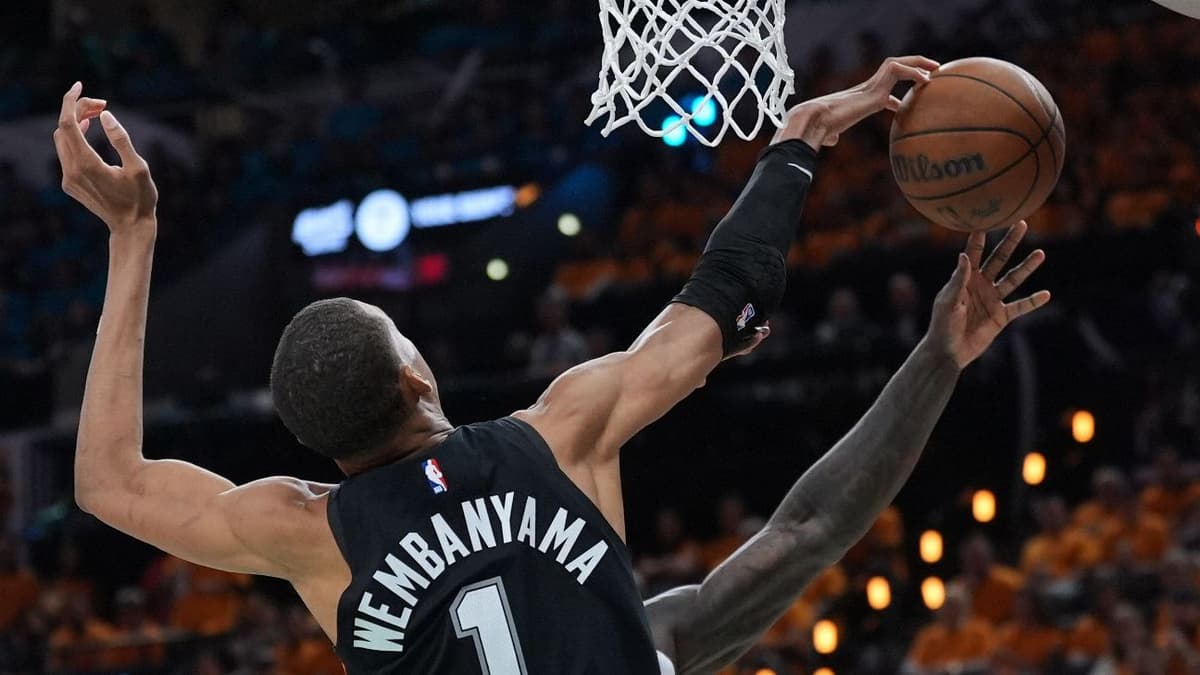
In the aftermath of a physical and high-stakes series opener, the primary talking point wasn't just the final score, but the validity of the defensive wall built by Victor Wembanyama. The French phenom finished the night with a staggering 12 blocks, a number that would usually signal one of the greatest defensive performances in league history. However, Timberwolves head coach Chris Finch was quick to temper the praise with a sharp critique of how those blocks were officiated.
Speaking to reporters after the game, Finch was blunt about his assessment of the defensive highlights. According to the Wolves' bench boss, several of those 12 blocks should have resulted in points for Minnesota. Finch specifically noted that the Victor Wembanyama goaltending calls were largely ignored by the officiating crew, allowing the Spurs to maintain a defensive edge that he felt was unearned.
"At least four were goaltending," Finch stated regarding Wembanyama's block total. "It’s hard to score when the ball is on its way down or hitting the glass and it’s getting swatted away without a whistle. We have to be able to trust that the rules of the game are being applied equally, regardless of how tall a player is."
The Impact of the "Wemby Effect" on Minnesota's Offense
The Timberwolves entered the game with a clear strategy to attack the paint, utilizing the size and strength of Anthony Edwards and Karl-Anthony Towns. However, that strategy was neutralized by Wembanyama’s unprecedented wingspan. While the 12 blocks were the headline stat, the concern for Minnesota lies in the four specific instances Finch highlighted where the ball appeared to be on a downward trajectory or had already made contact with the backboard.
Goaltending in the NBA is defined by the ball being on its downward flight toward the rim or having touched the backboard while being above the level of the ring. With a player of Wembanyama's height and reach, the window between a legal block and a goaltend is incredibly small. Finch’s frustration stems from the belief that the officials were mesmerized by the spectacular nature of the plays rather than focusing on the technicalities of the flight of the ball.
Key Stats from the Game 1 Defensive Stand:
- Victor Wembanyama: 12 blocks (Spurs franchise playoff record)
- Timberwolves Paint Points: Significantly lower than their season average
- Contested Shots: Wembanyama contested over 25 shots throughout the game
The Challenge of Officiating a 7-Foot-4 Defender
The NBA has rarely seen a player with the recovery speed and vertical reach of Victor Wembanyama. This creates a unique challenge for referees who are used to standard timing on shot contests. When Wembanyama is in the vicinity, he can reach shots that most defenders wouldn't even attempt to contest, often meeting the ball at its highest point.
Finch argued that the lack of Victor Wembanyama goaltending calls essentially gave the Spurs an unfair defensive advantage. If a defender is allowed to swat the ball off the glass or during its descent, it fundamentally changes how an offense must approach the rim. For a Minnesota team that relies on high-percentage looks inside, these missed calls represent a double-digit swing in potential points.
"We aren't looking for excuses, we're looking for consistency," Finch added. "If the ball hits the glass first, it's a goaltend. That’s the rule. We saw it happen multiple times tonight where no whistle was blown, and that changes the entire complexion of the game."
Looking Ahead to Game 2 Adjustments
As the series moves toward Game 2, the focus will undoubtedly be on how the officiating crew handles the Spurs' interior defense. The Timberwolves are expected to submit several clips to the league office for review, a standard practice when a team feels a specific rule is being misapplied. By publicly addressing the Victor Wembanyama goaltending calls, Finch is likely hoping to draw more scrutiny to these plays in the upcoming games.
For the Timberwolves to even the series, they will need to find ways to finish over or around Wembanyama while also hoping for a tighter whistle. Whether the league acknowledges the missed calls or stands by the on-court officiating remains to be seen, but the narrative for this series has been firmly set: it is a battle against the length of Wembanyama and the officials' ability to keep up with him.
The Timberwolves will have to adjust their shot selection, perhaps opting for more floaters or kick-out passes when Wembanyama rotates over. However, if Finch's assessment is correct and legal baskets are being taken off the board, the tactical adjustments may only go so far.
Sources & Original Reporting