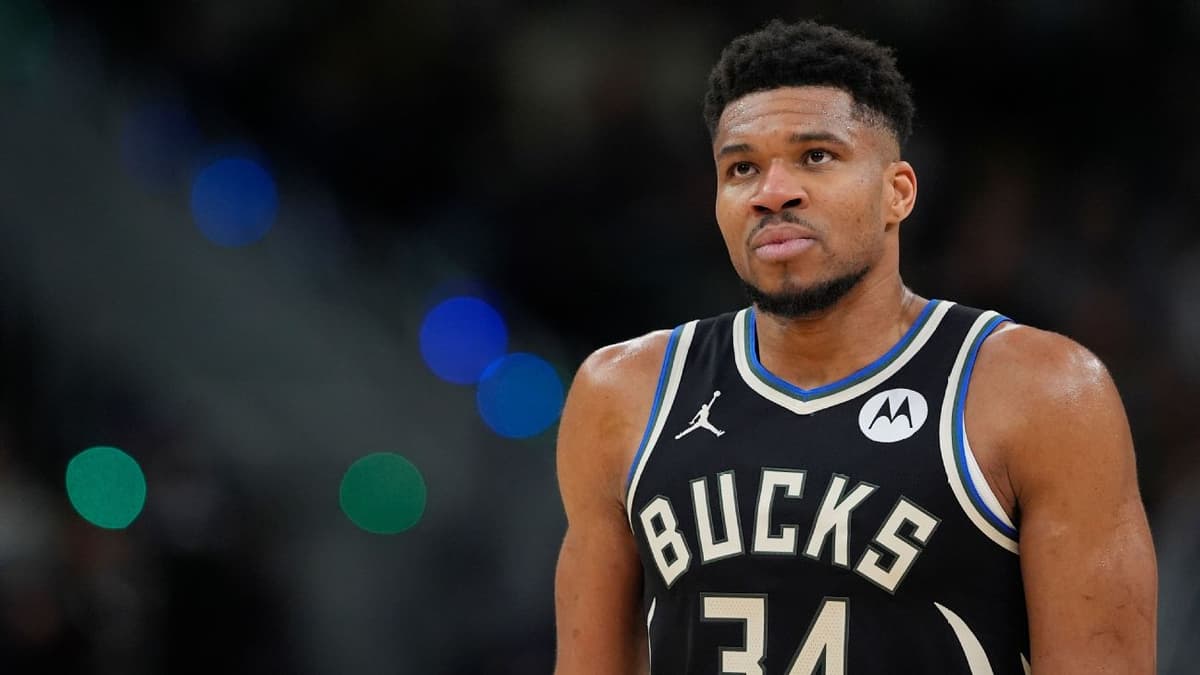
The NBA is no stranger to the world of sports betting, but a new partnership involving one of its biggest stars is pushing the boundaries of that relationship. The recent Giannis Antetokounmpo Kalshi deal has ignited a firestorm of discussion regarding the intersection of professional athletes and prediction markets. While the partnership is entirely legal under current regulations, the optics of a superstar aligning with a platform where fans can wager on event outcomes—including those related to the NBA—has critics questioning the long-term impact on the league's integrity.
Understanding the Kalshi Partnership
Kalshi is not a traditional sportsbook; it is a federally regulated prediction market that allows users to trade on the outcome of real-world events. These events range from economic indicators and political results to weather patterns and, increasingly, sports-related milestones. By signing with Kalshi, Giannis Antetokounmpo becomes the first major professional athlete to serve as a brand ambassador for such a platform.
For the Milwaukee Bucks star, the deal represents a foray into a modern financial technology space. However, the nature of Kalshi’s business model is what makes this partnership particularly sensitive. Unlike a standard endorsement for a shoe brand or a beverage, this deal links a player directly to a mechanism used for financial speculation on events he can directly influence on the court. This distinction is at the heart of the current debate surrounding the Giannis Antetokounmpo Kalshi deal.
The Optics Problem: Perception vs. Reality
As noted by sports analysts, including Dan Wetzel, the primary issue with this partnership isn't its legality, but its perception. In the high-stakes world of professional sports, perception often defines reality. When a player of Antetokounmpo’s stature associates with a platform where people can bet on whether he will record a triple-double or whether his team will win a specific number of games, the line between athlete and gambler becomes uncomfortably thin.
The NBA has spent decades protecting the "sanctity of the game," a mission that historically involved keeping a distance from anything resembling gambling. While the league has pivoted toward lucrative partnerships with sportsbooks like DraftKings and FanDuel in recent years, those deals are typically league-wide or team-wide. Individual player deals with prediction markets represent a new frontier that critics argue does the NBA "no favors" in its quest to maintain a clean public image.
Integrity and the Modern NBA Landscape
The league's current collective bargaining agreement (CBA) and internal policies have evolved to accommodate the gambling era, but they are still catching up to the nuances of prediction markets. The core concern remains the potential for a conflict of interest—or at least the appearance of one. If a player is a spokesperson for a platform that profits from betting volume on his own statistics, it creates a narrative that skeptics can easily exploit.
Several key points of concern regarding the Giannis Antetokounmpo Kalshi deal include:
- Fan Trust: Maintaining the belief that every play is made purely for the sake of winning, not for hitting a specific "market" target or statistical threshold.
- Player Influence: The degree to which an athlete’s personal brand can be used to lure fans into high-stakes prediction trading under the guise of financial engagement.
- Regulatory Scrutiny: The potential for increased government oversight if player-led betting endorsements are seen as predatory or as creating risks to the integrity of the sport.
A New Era of Athlete Endorsements
Despite the criticism, the deal highlights how modern athletes are viewing themselves as more than just players—they are becoming venture capitalists and financial influencers. Antetokounmpo has a history of savvy business moves, from his investments in various startups to his global branding efforts. The Kalshi deal is likely viewed by his business team as a strategic entry into the growing "event contract" market.
However, the NBA must now grapple with the fallout of this new precedent. If a player of Giannis’s caliber can sign with a prediction market like Kalshi, other stars will likely follow. This could lead to a fragmented landscape where every elite player is tied to a different betting or prediction entity, further complicating the league's efforts to manage its public image regarding gambling and fair play.
Ultimately, the Giannis Antetokounmpo Kalshi deal serves as a litmus test for the NBA's tolerance of player-driven betting partnerships. While the deal is a win for Kalshi in terms of visibility and credibility, the league may find itself working overtime to ensure that the optics of the situation do not eventually overwhelm the reality of the game on the floor. As the boundaries between sports and finance continue to blur, the NBA faces the difficult task of balancing commercial growth with the preservation of its competitive integrity.
Sources & Original Reporting