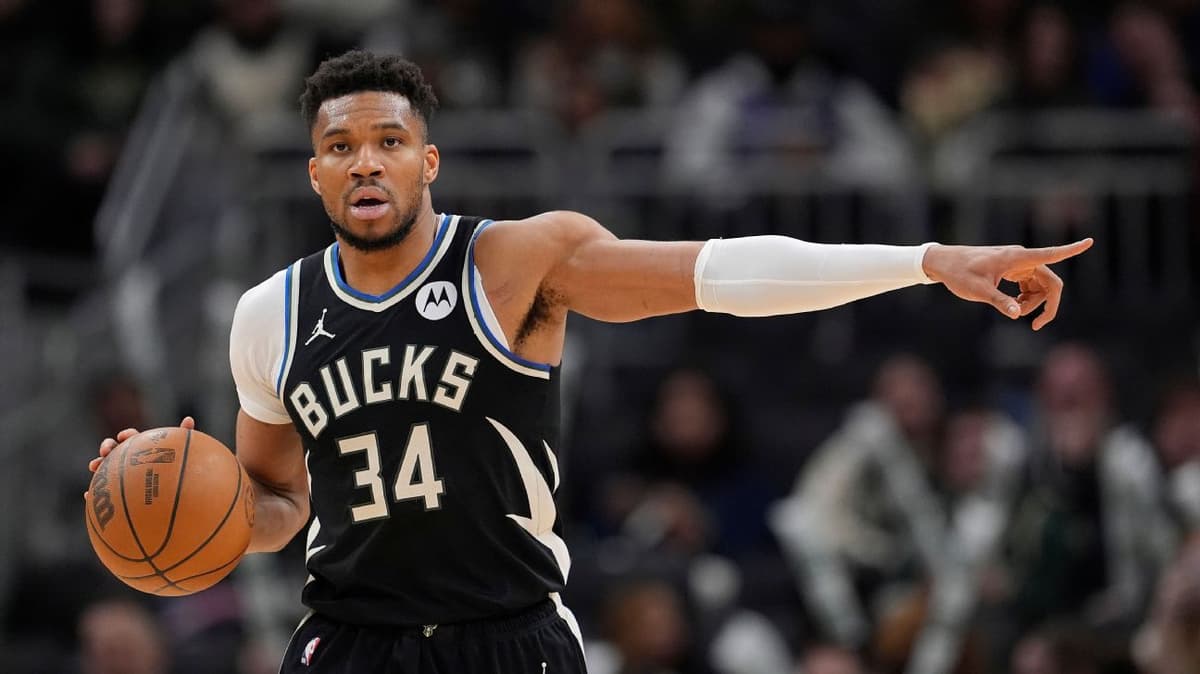
The NBA landscape is constantly shifting, but few names carry the weight of Giannis Antetokounmpo. As the Milwaukee Bucks navigate the complexities of an aging roster and a restrictive salary cap, the rest of the league is watching closely. While the Bucks remain committed to their franchise cornerstone, front offices across the league are already auditing their assets to see if they have what it takes to land the two-time MVP. A potential Giannis Antetokounmpo trade would likely be the largest transaction in modern sports history, requiring a historic haul of draft capital and blue-chip young talent.
According to ESPN’s Bobby Marks, several teams are positioned to make a run if the Bucks ever decide to hit the reset button. However, the new Collective Bargaining Agreement (CBA) adds layers of difficulty that didn’t exist during previous superstar sweeps. From "Second Apron" restrictions to draft pick limitations, the path to acquiring the Greek Freak is narrow and expensive.
The Frontrunners: Golden State Warriors and Miami Heat
When discussing superstar movement, the Golden State Warriors and Miami Heat are almost always at the top of the list. For the Warriors, the appeal is clear: pairing Antetokounmpo with Stephen Curry would create an offensive and defensive juggernaut. Golden State’s trade package would likely center around their 2026, 2028, and 2030 first-round picks. From a player perspective, the Bucks would likely demand young wings like Jonathan Kuminga or Brandin Podziemski. The Warriors are one of the few teams with the combination of championship urgency and viable young assets to pique Milwaukee's interest.
The Miami Heat offer a different kind of appeal. Known for their "Heat Culture," Miami has long been linked to Giannis. However, their path to a trade is complicated by their current cap situation. A deal would likely need to include Tyler Herro and young assets like Jaime Jaquez Jr. or Nikola Jovic. The primary challenge for Miami is providing enough draft compensation, as they have moved several future picks in previous attempts to bolster their roster, leaving them with less "raw" draft capital than other contenders.
The Draft Asset Kings and Rebuilding Dark Horses
If the Milwaukee Bucks decide to prioritize a total rebuild, the Houston Rockets might have the most compelling offer on the table. Thanks to previous trades involving James Harden and others, the Rockets own a massive chest of draft picks from the Brooklyn Nets and Phoenix Suns. These picks, particularly those in 2026 and 2027, are highly coveted because they are unprotected. Houston could offer a combination of these high-value selections along with a young core featuring Jalen Green or Amen Thompson.
Other teams like the Toronto Raptors and Portland Trail Blazers also find themselves in the mix as dark horses. The Raptors, led by Masai Ujiri, have a history of aggressive moves for superstars, famously seen with their acquisition of Kawhi Leonard. They possess all their own future picks and several intriguing young players like Gradey Dick. Meanwhile, the Trail Blazers are in the middle of a youth movement with Scoot Henderson and Shaedon Sharpe, and they hold significant draft capital from the Damian Lillard and Jrue Holiday trades. For these franchises, the question is whether Giannis would commit long-term to a team currently in a developmental phase.
The Big Market Challenge: Lakers and Knicks
The Los Angeles Lakers and New York Knicks are perennial contenders for any disgruntled superstar. For the Lakers, the assets are limited but high in quality. They can offer their 2029 and 2031 first-round picks, which are viewed as extremely valuable due to the uncertainty of the post-LeBron James era. However, matching salaries without including Anthony Davis would be a logistical nightmare under the NBA’s new collective bargaining agreement, likely requiring a multi-team deal to facilitate the move.
The Knicks, meanwhile, have already spent much of their draft capital on Mikal Bridges and Karl-Anthony Towns. While they remain a contender in name, their ability to outbid teams like the Rockets or Warriors is significantly diminished. Any move for Giannis would likely require the Knicks to move one of their newly acquired stars, which seems unlikely given their recent commitment to their current core. Their inclusion on this list speaks more to their aggressive front office than their current surplus of assets.
Financial Hurdles: Celtics, Cavaliers, and Timberwolves
It is impossible to discuss a Giannis Antetokounmpo trade without mentioning the "Second Apron" of the NBA luxury tax. Teams over this threshold face severe restrictions, including the inability to aggregate salaries in trades or send out cash in deals. This makes a trade for a player making over $50 million annually incredibly difficult for teams like the Boston Celtics, Cleveland Cavaliers, and Minnesota Timberwolves.
- Boston Celtics: While they have the talent, their cap situation makes it almost impossible to add another max contract without dismantling their championship core. They would effectively have to trade one of their top stars just to make the math work.
- Cleveland Cavaliers: They possess interesting young players like Evan Mobley, but their draft pick inventory is largely depleted following the Donovan Mitchell trade.
- Minnesota Timberwolves: Following the Karl-Anthony Towns trade to New York, their flexibility is limited. While they remain an intriguing fit defensively, they lack the surplus of picks required to win a bidding war.
Ultimately, the price for Giannis Antetokounmpo will be set by the market. If the Bucks ever decide to move on, they will seek a package that mirrors or exceeds the Rudy Gobert or Kevin Durant trades: four to five first-round picks, multiple pick swaps, and at least two blue-chip young players. For now, these 10 contenders are simply waiting for the first sign of a crack in the Bucks' foundation.
Sources & Original Reporting