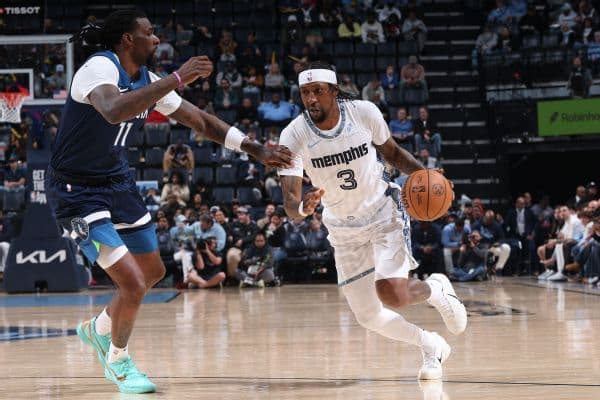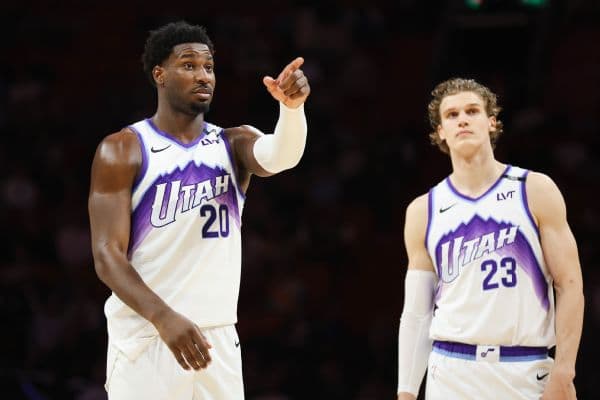
The Utah Jazz's ambitious mid-season plans have taken a devastating hit as the team confirmed that Jaren Jackson Jr. knee surgery was successfully performed on Tuesday. While the procedure to remove a growth in his left knee went as planned, the organization had already delivered the sobering news on February 12 that the star forward will miss the remainder of the 2025-26 season. This development is a massive blow to a franchise that aggressively pursued the former Defensive Player of the Year just weeks ago to anchor their long-term defensive identity.
The Details of the Jaren Jackson Jr. Knee Surgery
On Tuesday, medical staff performed a procedure on Jaren Jackson Jr. to remove a growth that had been discovered in his left knee. While the surgery itself was described as a success, the recovery timeline necessitates an extended period away from the court. The Jazz medical team opted for the intervention to ensure the long-term health of their marquee acquisition, prioritizing his availability for the 2026-27 campaign over a rushed return this spring.
Medical growths in the knee, even when non-malignant, can cause significant irritation, swelling, and mechanical issues within the joint. For a player like Jackson, whose game relies on explosive leaping and lateral agility, addressing the issue surgically was deemed the most prudent course of action. The decision follows a brief but impactful introduction to the Utah system, where Jackson’s presence was immediately felt on the defensive end during his limited time on the floor.
A Brief Debut Following Blockbuster Trade
The timing of the Jaren Jackson Jr. knee surgery is particularly frustrating for the Jazz faithful and front office alike. Jackson was the centerpiece of a blockbuster trade finalized on February 3, 2026, which saw Utah send promising young forward Taylor Hendricks and multiple draft assets to the Memphis Grizzlies. The trade was intended to fast-track Utah's defensive rebuild, pairing Jackson with the team’s existing interior presence to create a formidable frontcourt wall.
However, Jackson was only able to appear in three games for the Jazz before the knee issue became untenable. In those three appearances, he showed exactly why the front office was willing to part with a talent like Hendricks, providing elite rim protection and floor-spacing capabilities that transformed the team's dynamic. By clarifying that he is a cornerstone talent who has only recently joined the franchise, it becomes clear that this surgery is a necessary investment in a future that has barely begun in Salt Lake City.
Navigating the Rotation Without Jackson
With the news that Jackson will not return until next season, head coach Will Hardy must now recalibrate a rotation that was just beginning to gel around its new star. The absence of Jackson’s shot-blocking and perimeter versatility leaves a significant void in the frontcourt. Because Taylor Hendricks is no longer on the roster following the February trade, the Jazz will need to lean heavily on their remaining depth to maintain their competitive edge in the Western Conference.
The following players will see their roles expand or shift during Jackson's recovery:
- Walker Kessler: The primary rim protector will return to a heavy workload, shouldering the bulk of the defensive responsibilities in the paint that were expected to be shared with Jackson.
- John Collins: Collins will likely see increased minutes at the power forward position, where his rebounding and scoring will be vital to keeping the Jazz offense fluid and providing veteran leadership.
- Kyle Filipowski: The young big man may find himself with a more consistent role in the rotation as the coaching staff looks for frontcourt depth and additional shooting to compensate for the loss of Jackson's floor spacing.
Defensive Outlook and Future Implications
The statistical impact of losing Jackson for the season is profound. Before the Jaren Jackson Jr. knee surgery, the Jazz had hoped to utilize his unique ability to switch onto guards while maintaining an elite block rate. His presence allowed the perimeter defenders to play more aggressively, knowing a premier eraser was waiting behind them. Without him, Utah must return to a more traditional defensive scheme that relies on collective positioning rather than individual dominance.
Despite the setback, the Jazz front office remains committed to Jackson as the focal point of their defense moving forward. The decision to shut him down for the remainder of the 2025-26 season ensures that he can undergo a full, unhurried rehabilitation process. This long-term view is essential for a player of his caliber, ensuring that when he returns for the start of training camp next year, he is at 100% capacity to lead the franchise's next era.
Next Steps in Recovery
Following Tuesday's successful procedure, Jackson will enter a period of immobilization and rest before beginning a structured physical therapy regimen. The Jazz have stated they will provide further updates as he reaches specific milestones in his recovery. While the 2025-26 season is effectively over for Jackson, the focus now shifts entirely to his health for the 2026-27 season.
For the Jazz, the remainder of this season becomes a test of depth and resilience. While the trade for Jackson was a move for the future, the immediate reality requires a "next man up" mentality. Fans will have to wait several months to see the full potential of a Jackson-led defense, but the organization is confident that this temporary hurdle will lead to long-term stability in the frontcourt once their star returns to the hardwood.
Sources & Original Reporting