The Dallas Mavericks’ recent clash with the Houston Rockets ended in more than just a narrow 111-107 defeat; it sparked a fiery post-game response from head coach Jason Kidd. Following a tightly contested game that came down to the final possessions, Kidd was unequivocal in his assessment of the officiating, specifically regarding the treatment of Cooper Flagg. For Kidd, the outcome wasn't just about missed shots or defensive lapses, but rather what he described as "terrible" officiating that directly impacted the game’s closing minutes. The Jason Kidd officiating critique has since become the focal point of the post-game conversation, overshadowing the box score itself.
Jason Kidd Criticizes Officiating in Narrow Loss to Rockets
In the high-stakes environment of the NBA, coaches often walk a fine line when discussing referees to avoid league discipline. However, Jason Kidd crossed that line with purpose following the Mavericks' loss to the Rockets. The frustration stemmed from a series of non-calls that Kidd believed hindered his team's ability to secure a victory in a game decided by just four points.
A Heated Post-Game Press Conference
"The officials were terrible tonight," Kidd told reporters during the post-game press conference. "There’s no other way to put it. When you have a player of Cooper’s caliber being hacked without a whistle, it changes the entire complexion of the game." Kidd’s bluntness served as a defense of his roster, particularly his younger stars who are still learning to navigate the physical landscape of the professional game. By using the word "terrible," Kidd made it clear that he felt the standard of refereeing did not meet the requirements of a high-level NBA contest.
The Final Score and Late-Game Execution
The 111-107 scoreline suggests a game that could have gone either way, but the Mavericks' coaching staff felt the playing field wasn't level in the fourth quarter. While Dallas had opportunities to execute, Kidd pointed to the lack of whistles as a primary reason the team couldn't maintain their momentum. The Mavericks were forced to play through contact that Kidd deemed illegal, while the Rockets were able to capitalize on the transition opportunities that followed those uncalled fouls.
The Focus on Cooper Flagg and Missed Foul Calls
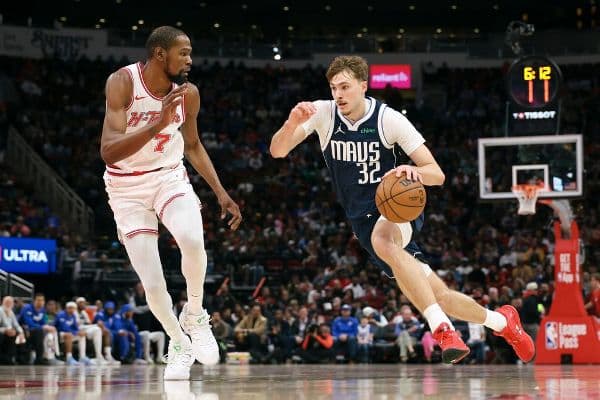
The primary focus of Kidd’s frustration was the lack of whistles for Cooper Flagg. As a focal point of the Mavericks' offense, Flagg's ability to drive to the rim and draw contact is a vital component of the team's scoring strategy. In the game against Houston, Flagg was aggressive in the paint, yet several instances of significant contact went unpunished by the officiating crew.
Analyzing the Non-Calls on Flagg
Kidd expressed that the way officials are handling Cooper Flagg is a growing concern for the organization. He argued that the lack of calls prevented Flagg from reaching the free-throw line, where he could have potentially closed the scoring gap during the game's final minutes. Kidd emphasized that the issue wasn't just a single isolated play, but a pattern that persisted throughout the four quarters. "We’re not asking for favors," Kidd added. "We’re asking for consistency. When our guys are getting hit, we expect a whistle. It didn't happen tonight, and it cost us."
The Need for Officiating Consistency
Consistency is the benchmark for NBA officiating, and Kidd’s comments highlight a perceived gap in how the league’s newest stars are officiated compared to established veterans. The Mavericks felt the Rockets were allowed more physicality on the defensive end without penalty, creating a disparity that Kidd felt was impossible to overcome. The Jason Kidd officiating comments reflect a broader frustration with how the flow of the game is managed when high-usage players like Flagg are involved.
- Flagg’s aggressive drives were met with physical defense that Kidd deemed illegal.
- The Mavericks felt the Rockets were allowed more physicality on the defensive end without penalty.
- Key momentum shifts occurred directly after non-calls in the fourth quarter, preventing a Dallas comeback.
Broader Impact on the Dallas Mavericks Season
While the officiating was the main talking point, the 111-107 loss also pointed toward areas where the Mavericks need to improve as the season progresses. Despite the controversy surrounding Cooper Flagg and the referees, the team struggled to contain the Rockets' transition game at pivotal moments. Dallas will need to move past the officiating controversy quickly as the NBA schedule remains relentless.
Navigating the Western Conference Standings
The loss drops the Mavericks in a competitive Western Conference race, making every game—and every whistle—crucial for playoff seeding. The NBA league office typically reviews post-game comments that criticize officials, and Kidd is likely facing a significant fine for his blunt assessment. However, by taking the hit, Kidd is sending a clear message to the league and his team: he will defend his players, especially his young core, regardless of the financial cost or potential repercussions.
Anticipating the NBA’s Last Two Minute Report
As the Mavericks prepare for their next matchup, the focus will remain on whether the league's Last Two Minute (L2M) report validates Kidd’s claims regarding the missed calls on Cooper Flagg. While an L2M report cannot change the 111-107 result, it could provide the Mavericks with the clarity they seek regarding how Flagg is being defended. For now, Dallas must channel their frustration into their upcoming practices as they continue to integrate Flagg into their system and prepare for a more balanced whistle in future outings.
Sources & Original Reporting