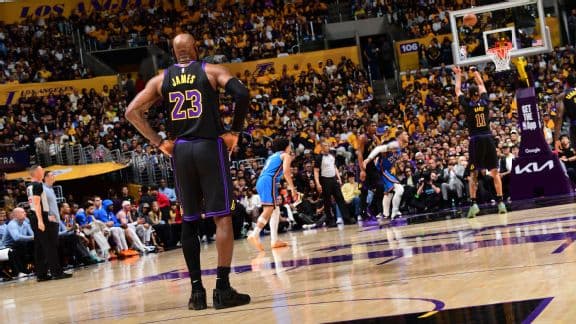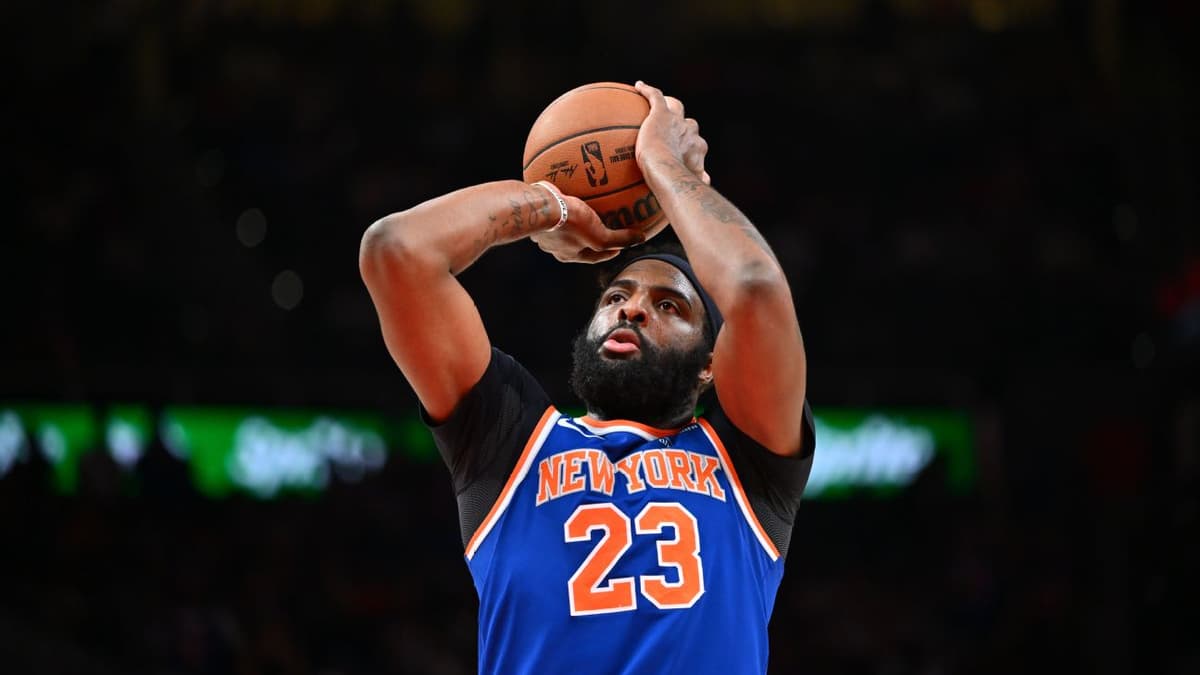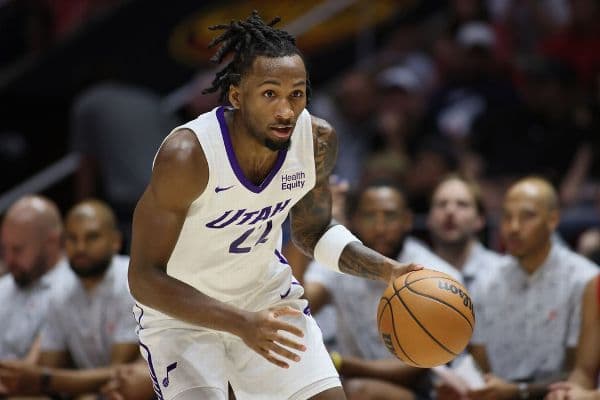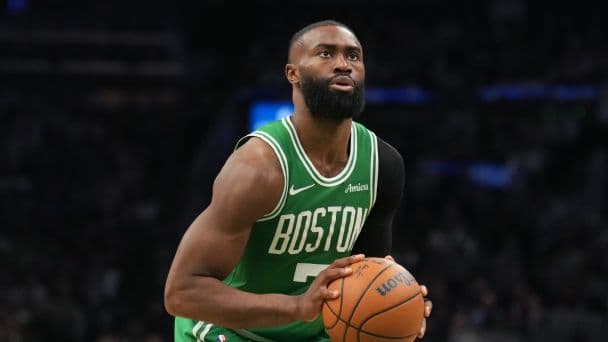
The NBA landscape shifted significantly this week with the stunning news of the Jaylen Brown trade to 76ers. In a move that few saw coming, the Boston Celtics elected to part ways with their three-time All-Star and reigning Finals MVP, sending him to one of their fiercest Atlantic Division rivals. While the trade has left fans in disbelief, front-office executives across the league are analyzing the deal with a more clinical eye, revealing a surprising consensus regarding Brown’s actual market value.
The Valuation Gap: Why Brown’s Market Was Lower Than Expected
Perhaps the most jarring takeaway from the league-wide reaction is the discrepancy between Jaylen Brown’s public perception and his trade value among NBA decision-makers. Despite his accolades and central role in Boston's recent championship success, several executives noted that his massive supermax contract played a significant role in limiting the return for the Celtics.
According to reports, the Jaylen Brown trade to 76ers was influenced by the looming constraints of the NBA’s new Collective Bargaining Agreement (CBA). Executives pointed to the "second apron" penalties as a primary reason why teams were hesitant to offer a king's ransom. "When you're paying a player that much money, he has to be a primary engine of your offense," one Western Conference executive noted. "There were concerns about his playmaking and high turnover rate in pressure situations that kept some teams from going all-in."
Philadelphia’s New Defensive Juggernaut
For the Philadelphia 76ers, acquiring Brown represents a massive gamble on a veteran core. By pairing Brown with Joel Embiid and Paul George, the 76ers have constructed a roster that is arguably the most formidable defensive unit in the Eastern Conference. The addition of Brown gives Philadelphia a versatile wing defender who can take the toughest perimeter assignment, allowing George to focus more on his offensive efficiency.
NBA scouts believe that Brown’s fit in Philadelphia might actually be more seamless than it was in Boston. With Embiid drawing double teams in the post and George providing elite floor spacing, Brown will have more opportunities to attack closeouts and operate in transition—areas where he historically excels. However, the move also puts the 76ers in a precarious financial position, effectively locking them into this specific trio for the foreseeable future.
Boston’s Strategic Pivot and the Financial Reality
The decision by Brad Stevens and the Celtics front office to execute the Jaylen Brown trade to 76ers was not merely about on-court performance. It was a strategic pivot designed to maintain long-term flexibility. By moving Brown's contract, the Celtics are better positioned to retain their depth and avoid the most punitive aspects of the luxury tax, which can strip a team of its ability to make mid-season trades or sign buyout players.
Industry insiders suggest that Boston viewed this as the peak of Brown's trade value. Coming off a Finals MVP performance, his stock was theoretically as high as it could ever be. By moving him now, the Celtics have secured assets that allow them to build a more balanced roster around Jayson Tatum, rather than being top-heavy with two players on supermax deals.
Impact on the Eastern Conference Power Balance
The immediate fallout of this trade is a reshuffling of the Eastern Conference hierarchy. The 76ers have sent a clear message to the rest of the league: they are in "win-now" mode. Meanwhile, the Celtics are betting that their system and the remaining supporting cast can withstand the loss of a star of Brown's caliber.
As the season approaches, all eyes will be on how Paul George and Brown integrate their styles of play. While both are elite two-way wings, the success of the 76ers will ultimately hinge on whether there are enough touches to satisfy three high-usage stars. For now, the consensus among NBA executives is clear: Philadelphia got their man, but the cost—and the contract—may have been exactly why Boston was willing to pick up the phone.
Sources & Original Reporting