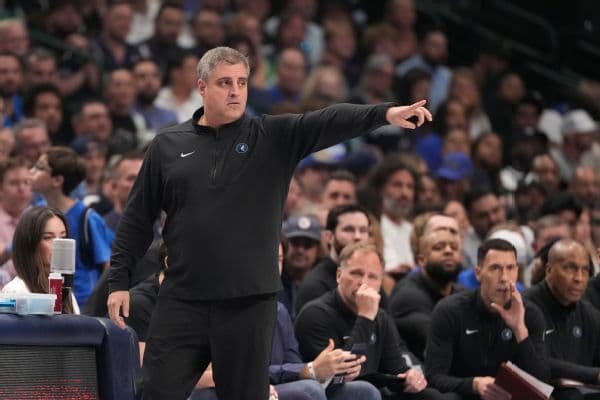
In a rare and public display of internal league tension, Detroit Pistons head coach and National Basketball Coaches Association (NBCA) president J.B. Bickerstaff has voiced strong opposition to the Micah Nori contract structure with the Portland Trail Blazers. Speaking on behalf of the coaching body, Bickerstaff described the terms of the deal as a "slap in the face" to the coaching profession, raising significant concerns about the precedent it sets for coaching value across the NBA.
The NBCA President Takes a Stand
As the president of the NBCA, J.B. Bickerstaff is tasked with protecting the interests and market value of the league's 30 head coaches and their respective staffs. His recent comments regarding the Portland Trail Blazers' hiring of Micah Nori suggest that the organization's financial approach to the deal deviates significantly from established league norms. Bickerstaff’s frustration stems from the belief that the Micah Nori contract undermines the leverage and security that coaches have fought to maintain over decades of collective bargaining and individual negotiations.
“It’s a slap in the face to our value,” Bickerstaff stated, emphasizing that the structure of the agreement does not reflect the responsibilities or the market rate for a head coach in the modern NBA. While Nori is a respected figure in the league, the concern from the NBCA is strictly focused on the administrative and financial framework of his transition to Portland.
Understanding the Micah Nori Contract Controversy
Micah Nori, who previously served as a long-time assistant coach with the Minnesota Timberwolves, was recently tapped by the Portland Trail Blazers to lead their rebuilding effort. While the hiring of a veteran assistant is a standard move for a team in transition, the specific terms of the Micah Nori contract have triggered an immediate red flag for the NBCA leadership. The association views the contract as a potential attempt by ownership to devalue the position of head coach during a time when league revenues and player salaries are reaching record highs.
The core issues highlighted by the NBCA include:
- Market Precedent: The fear that other small-market teams may use this contract structure to low-ball future coaching candidates.
- Job Security: Concerns over how the contract handles guarantees and potential buyouts.
- Professional Standards: The belief that head coaching roles require a baseline of compensation and structural respect that this deal allegedly fails to meet.
Impact on the Portland Trail Blazers and the League
The Portland Trail Blazers are currently in a delicate phase of their franchise history, moving on from the Damian Lillard era and focusing on developing young talent. By hiring Nori, the front office sought a tactical mind with a reputation for player development. However, this public rebuke from Bickerstaff places the Blazers' front office under a microscope. It creates an awkward dynamic where the new head coach's professional union is openly criticizing the very contract he signed to secure his dream job.
For the rest of the NBA, this conflict signals a potential shift in how coaching contracts are negotiated. The NBCA has historically been a private organization, but Bickerstaff’s willingness to use strong language like "slap in the face" suggests that the association is ready to be more aggressive in its public messaging to protect its members' financial interests.
What This Means for Future Coaching Hires
As the NBA continues to grow globally, the pressure on coaches has never been higher. With the increased scrutiny comes a demand for higher compensation and better contractual protections. The controversy surrounding the Micah Nori contract serves as a warning shot to NBA owners that the NBCA will not quietly accept deals that they perceive as detrimental to the profession's overall health.
Moving forward, all eyes will be on how the Trail Blazers and Nori respond to these comments, and whether the NBCA will take further steps to address contract structures in the next round of league-wide discussions. For now, Bickerstaff has made it clear: the value of an NBA head coach is not something that should be negotiated downward without a fight.
Sources & Original Reporting