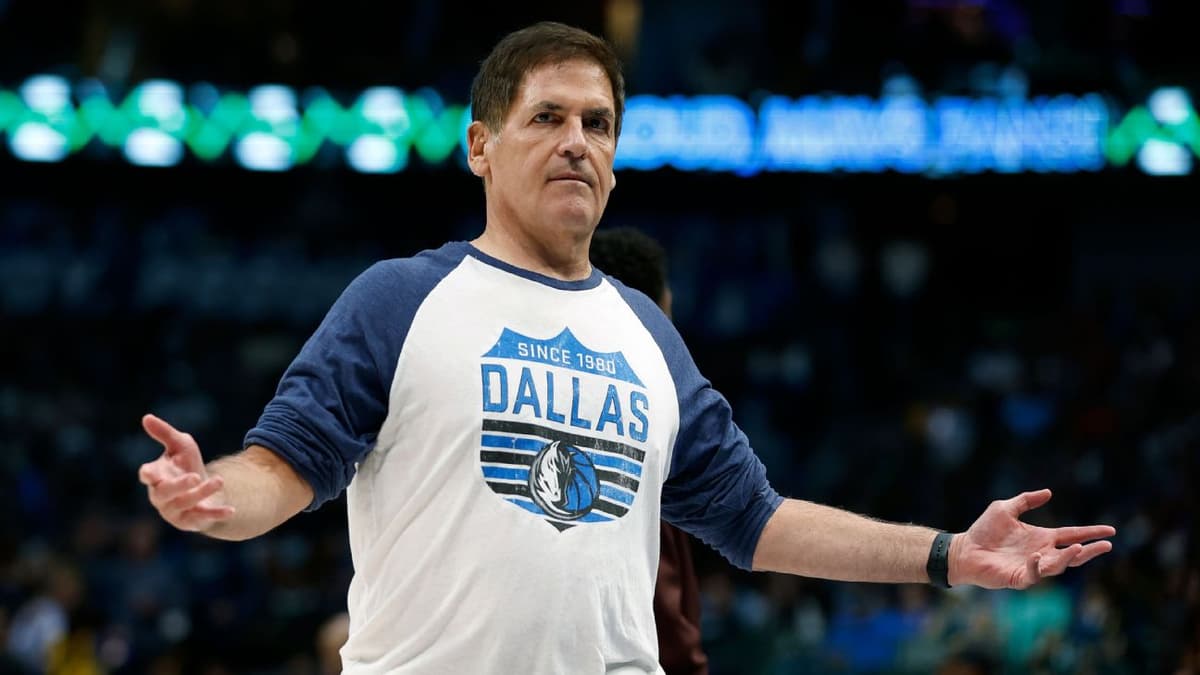
In a move that has sent shockwaves through the NBA landscape, Mark Cuban has publicly admitted to harboring significant regrets regarding the sale of the Dallas Mavericks. The billionaire entrepreneur, who was the face of the franchise for over two decades, recently revealed that he believes he made several errors during the transition of Dallas Mavericks ownership to the Adelson and Dumont families.
Cuban’s admission comes just over a year after the NBA Board of Governors approved the sale of a majority stake in the team to Miriam Adelson and Patrick Dumont, the leaders of the Las Vegas Sands corporation. While the deal was initially framed as a strategic partnership aimed at bringing a resort-style arena to Dallas, Cuban’s latest comments suggest that the reality of the arrangement has not met his expectations.
Mark Cuban’s Admission of "Mistakes" in the Sale
Speaking candidly about the transaction, Mark Cuban did not mince words regarding his current perspective on the deal. He stated clearly that he regrets the decision to sell the majority stake, adding a layer of vulnerability rarely seen in high-stakes professional sports business. According to Cuban, he "made a lot of mistakes in the process," though he did not immediately specify the exact nature of those errors.
The sale, which valued the franchise at approximately $3.5 billion, was unique because it initially allowed Cuban to retain a minority share and maintain control over basketball operations. However, the psychological and operational shift from being the ultimate decision-maker to a minority partner appears to have taken a toll. For a man who spent 24 years as the most hands-on owner in the league, the loss of total autonomy over the Dallas Mavericks ownership structure seems to be at the heart of his remorse.
The Complexity of the Dallas Mavericks Ownership Transition
When the Adelson and Dumont families took over, the primary goal discussed was the intersection of professional sports and the gaming industry. The Adelsons, who control a massive casino empire, were seen as the perfect partners to help Cuban realize his dream of a new arena that would serve as a hub for gambling and entertainment in Texas, should the state eventually legalize sports betting.
However, the transition has not been without its friction. Since the takeover, there have been shifts in the organizational hierarchy. Patrick Dumont, serving as the Mavericks' governor, has taken a more prominent role in the business side of the franchise. While Cuban was supposed to remain the head of basketball operations, the dynamics of a multi-billion dollar corporation often lead to a consolidation of power that can leave former majority owners feeling sidelined.
The "mistakes" Cuban refers to likely involve the legal and structural nuances of the sale agreement. In many such transitions, the fine print regarding veto power, capital calls, and long-term governance can lead to disputes that aren't apparent when the ink is first drying on the contract.
A Legacy Interrupted: Cuban’s 24-Year Run
To understand why this regret is so significant, one must look at what Mark Cuban built in Dallas. When he purchased the team in January 2000 for $285 million, the Mavericks were a struggling franchise. Under his stewardship, they became one of the most consistent winners in the NBA, culminating in the 2011 NBA Championship led by Dirk Nowitzki.
Cuban was a pioneer in the league, often fined for his outspokenness but respected for his willingness to spend whatever was necessary to win. He modernized the way NBA teams traveled, ate, and trained. By selling the team, he essentially stepped away from his primary passion project. His recent comments suggest that the financial windfall of the $3.5 billion valuation has not provided the same satisfaction as the day-to-day control of an NBA franchise.
The Impact on the Current Mavericks Roster
Despite the internal regrets of its former majority owner, the Dallas Mavericks remain in a "win-now" window on the court. Led by superstars Luka Doncic and Kyrie Irving, the team reached the NBA Finals in 2024, proving that the roster remains championship-caliber regardless of the boardroom drama. However, stability at the top is often a prerequisite for sustained success in the NBA.
If the relationship between Cuban and the Adelson/Dumont families continues to strain, it could lead to further changes in the front office. Cuban’s admission of regret raises questions about how long he will remain involved with the team in his current capacity. If he feels the "mistakes" made during the sale are insurmountable, a total exit from the organization could be on the horizon, marking the end of the most influential era in Mavericks history.
Looking Ahead: What This Means for the NBA
The NBA has seen a wave of franchise sales in recent years, with valuations skyrocketing into the billions. Cuban’s public regret serves as a cautionary tale for other long-term owners considering a sale. It highlights that even with a massive payout and a promise of continued influence, the transition of power is rarely seamless.
For now, the Dallas Mavericks ownership remains firmly in the hands of the Adelson and Dumont families. Whether they can reconcile with Cuban or if this admission marks the beginning of a messy divorce remains to be seen. What is certain is that Mark Cuban, ever the disruptor, has once again ensured that the focus of the NBA world is squarely on Dallas.
Sources & Original Reporting