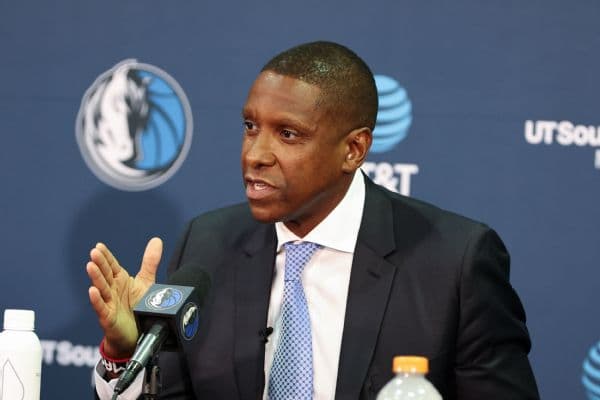
In a move that has sent shockwaves through the NBA landscape, the Dallas Mavericks have officially entered a period of leadership transition. Mavericks president Masai Ujiri addressed the media on Wednesday, making it clear that the "very tough decision" to fire Jason Kidd was his and his alone. The announcement marks the end of Kidd's tenure on the Dallas bench and signals a significant shift in the organization's strategic direction.
Masai Ujiri Takes Full Ownership of the Coaching Change
During a candid press conference on Wednesday, Ujiri was transparent about the internal process that led to this major shakeup. In a league where front-office decisions are often attributed to vague "mutual agreements" or collective organizational pivots, Ujiri chose a path of direct accountability. He emphasized that the choice to move on from Jason Kidd was a singular decision made from his office, rather than a directive from ownership or a consensus vote.
"It was a very tough decision," Ujiri told reporters. By phrasing it as his decision "and his alone," Ujiri is effectively shielding the rest of the organization and the players from the immediate fallout of the coaching change. This level of accountability is a hallmark of Ujiri’s leadership style, though it places the future success of the team squarely on his shoulders as the Mavericks look to find a new voice for their locker room.
The Impact of the Mavericks Firing Jason Kidd
The decision to fire Jason Kidd did not come without significant deliberation. Kidd, a Hall of Fame player who has a storied history with the Mavericks franchise, including a championship run as a player in 2011, remains a deeply respected figure in the Dallas community. Removing a figure of his stature requires more than just a look at the win-loss column; it requires a vision for a different kind of culture and tactical approach.
Ujiri’s comments suggest that the evaluation period was exhaustive and that the organization reached a crossroads where a change was deemed necessary for the team to reach its ceiling. According to the president, several key factors weighed into the final determination:
- The need for a fresh tactical perspective in high-stakes playoff scenarios.
- Maximizing the championship window of the team's current superstar core.
- Establishing a new long-term defensive identity for the roster.
A Franchise at a Strategic Crossroads
The Dallas Mavericks are currently in a window of contention that most teams in the NBA would envy. With a roster built around elite, generational talent, the expectations in Dallas have shifted from simply qualifying for the postseason to competing for a Larry O'Brien Trophy every single year. When those expectations aren't met—or when the path toward them becomes clouded—the front office is often forced to make the kind of difficult choices Ujiri described.
By making this move now, Ujiri is signaling that the status quo was no longer an option. The Mavericks' leadership clearly feels that a new voice is required to unlock the full potential of the current group. The timing of the announcement on Wednesday suggests that the organization wanted to begin their transition and coaching search immediately, ensuring they have ample time to vet candidates before the heat of the offseason begins.
What Lies Ahead for the Dallas Mavericks?
With the head coaching vacancy now official, the focus shifts to who will fill the void left by Kidd. Ujiri’s track record suggests he will look for a candidate who can instill a rigorous culture of accountability while allowing the team's offensive stars to flourish. The Mavericks are now arguably the most attractive destination for coaching candidates across the league, given the talent already present in the building.
The "very tough decision" to fire Jason Kidd is only the first step in what promises to be a busy and defining period for the Dallas front office. As Ujiri leads the search for a successor, the pressure will be on to find a coach who can translate the team's high-end talent into consistent, deep playoff runs and, ultimately, another championship banner in the rafters.
Conclusion
Masai Ujiri’s willingness to "own" the firing of Jason Kidd sets a clear tone for the Mavericks moving forward. It is a period of transition, but also one of extreme accountability. As the Dallas Mavericks look toward their next chapter, the focus remains on building a championship-caliber environment—a goal that Ujiri believes required this difficult but necessary change.
Sources & Original Reporting