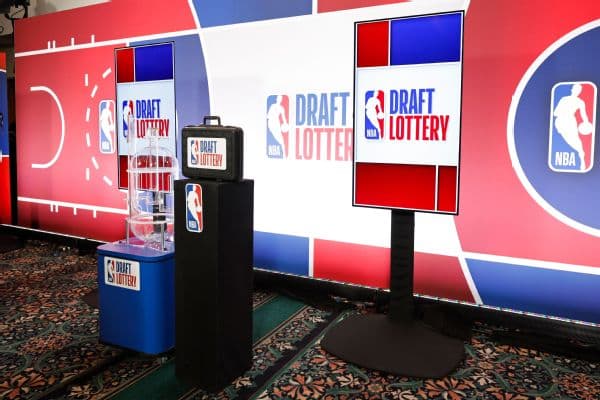
NBA Commissioner Adam Silver has officially signaled the league's next move in the ongoing battle against non-competitive play. During an appearance on Stephen A. Smith’s radio show on Wednesday, Silver confirmed that the league has finalized a new NBA anti-tanking proposal known as the "3-2-1" plan. This proposal is set to be presented to the NBA Board of Governors later this month, marking what could be the most significant shift in the draft lottery's history.
Understanding the 3-2-1 NBA Anti-Tanking Proposal
For decades, the NBA has grappled with the incentive for struggling teams to "bottom out" in hopes of securing the highest possible draft pick. While the 2019 reforms flattened the odds for the bottom three teams to 14% each, the league believes further intervention is necessary to ensure every team remains competitive throughout the 82-game season. The new proposal seeks to expand the lottery to 16 teams and fundamentally change how chances are distributed.
Unlike previous speculation that suggested the "3-2-1" name referred to points for wins, the proposal actually outlines a specific distribution of lottery balls. By moving to a tiered ball-count system, the league aims to remove the reward for being the absolute worst team in the standings, instead incentivizing teams to remain in the hunt for play-in spots or mid-lottery positions.
How the 3-2-1 Mechanics Change the Lottery
The core of the NBA anti-tanking proposal lies in its unique allocation of lottery balls across 16 teams. This structure is designed to ensure that the teams with the very worst records do not hold the greatest statistical advantage for the No. 1 overall pick.
The Three-Ball Tier: Rewarding the Middle
Under the proposed system, the teams ranked 4th through 10th in terms of the worst regular-season records would receive three lottery balls each. This represents the highest weight in the lottery, effectively shifting the best odds away from the bottom three teams and toward those that are marginally more competitive. This change is intended to encourage teams to stay competitive enough to avoid the bottom tier.
The Two-Ball Tier: The 'Relegation Zone' and Play-In Seeds
The second tier of the proposal assigns two lottery balls to two distinct groups. First, the bottom three teams in the league—often referred to as the "relegation zone" in these discussions—would see their odds reduced compared to the middle-lottery teams. Additionally, the teams that finish as the 9th and 10th seeds (the lower half of the Play-In Tournament) would also receive two balls, rewarding them for remaining in the playoff hunt until the end of the season.
The One-Ball Tier: Play-In Participants
Finally, the teams that lose the 7-8 play-in games would be assigned one lottery ball. This expansion ensures that even teams that narrowly miss the traditional playoff bracket are included in the lottery process, further devaluing the strategy of dropping out of the playoff race early to secure better draft positioning.
Impact on Rebuilding Teams: Wizards, Bulls, and More
The timing of this proposal is critical for several franchises currently navigating different stages of rebuilding. Teams like the Washington Wizards, Chicago Bulls, Memphis Grizzlies, and Utah Jazz would all see their draft strategies impacted by these new mechanics.
- Washington Wizards: As a team currently undergoing a deep roster reset, the Wizards would find that being the absolute worst team in the league no longer provides the best odds for a top pick, forcing a potential shift in how they manage their veteran talent.
- Chicago Bulls: Often positioned near the play-in threshold, the Bulls would benefit from the 3-2-1 plan. Under this system, finishing as a 9th or 10th seed provides better lottery odds than finishing with a bottom-three record.
- Utah Jazz and Memphis Grizzlies: Both organizations have historically prioritized competitive cultures. The new weighting system would reward their efforts to stay relevant in the Western Conference standings, even if they fall short of a top-six playoff seed.
Next Steps for the Board of Governors
Commissioner Adam Silver confirmed that the proposal is ready for the Board of Governors to review later in May. For the 3-2-1 system to become league law, it will require a formal vote from the owners. If approved, the NBA could implement these changes as early as the 2025-26 season, though the league has not yet specified an exact start date.
This move follows a trend of aggressive structural changes under Silver’s tenure, including the Play-In Tournament and the NBA Cup. By presenting this NBA anti-tanking proposal, the league is doubling down on its commitment to the regular-season product, ensuring that the "race to the bottom" is replaced by a race for the middle and beyond.
Sources & Original Reporting