In the modern NBA, where the salary cap dictates the rise and fall of dynasties, the ability to find high-level production at a bargain price is the ultimate competitive advantage. While superstars on super-max deals grab the headlines, the true architects of winning rosters are often the players who provide All-Star impact without the All-Star price tag. The NBA All-Contract Team highlights these rare assets—players who are neither on rookie-scale deals nor massive max extensions, yet perform at a level that far exceeds their cap hit.
Defining the NBA All-Contract Team Criteria
To qualify for the NBA All-Contract Team, a player must exist in the "middle class" of the league's financial structure. This means excluding two major categories: players on rookie-scale contracts (who are artificially suppressed by the collective bargaining agreement) and players on maximum or super-max extensions. The goal is to identify the 15 players whose current deals offer the best return on investment for their respective franchises.
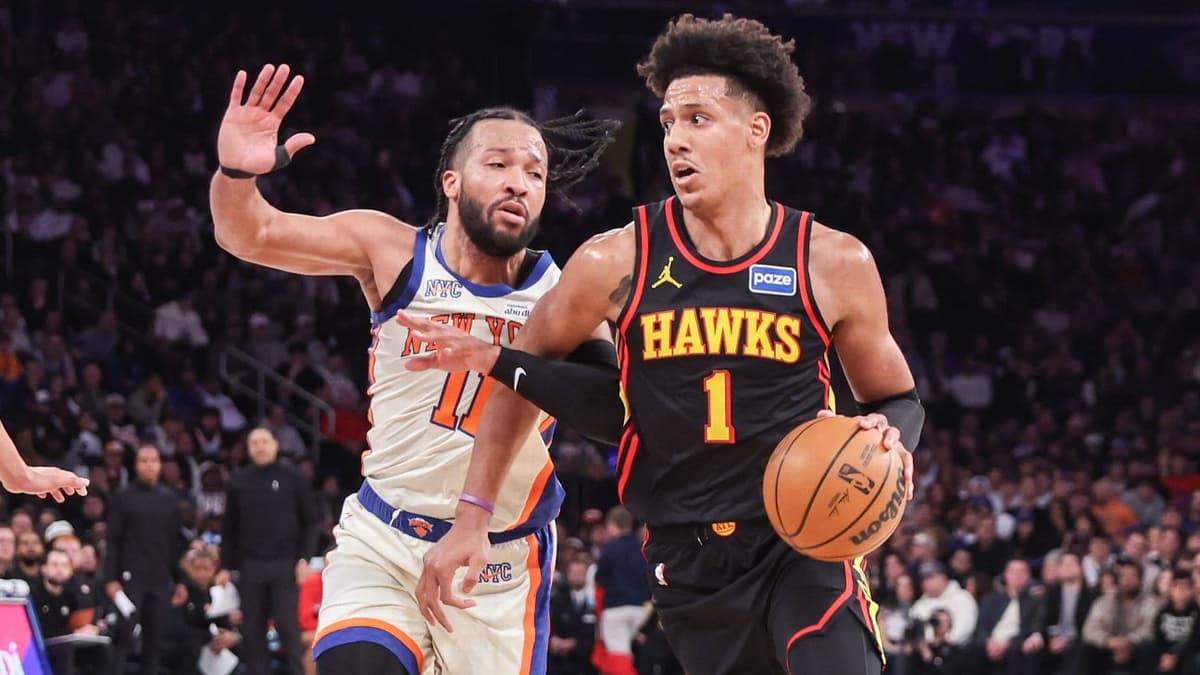
Building a roster with these constraints is a masterclass in salary cap management. It requires scouting departments to identify talent before a breakout occurs or finding veterans willing to prioritize team flexibility. The current roster, headlined by Jalen Brunson, Deni Avdija, and Jalen Johnson, proves that you can build a legitimate playoff contender while maintaining significant financial breathing room.
Jalen Brunson: The Gold Standard of Value
There is no better starting point for this roster than New York Knicks guard Jalen Brunson. Brunson made waves across the league when he signed a four-year, $156.5 million extension this past offseason—a move that left approximately $113 million on the table compared to what he could have earned by waiting for free agency. By opting for security and team flexibility, Brunson solidified his status as the most team-friendly star in professional sports.
Brunson’s impact on the court is undeniable. As an All-NBA talent and the engine of the Knicks' offense, his production mirrors that of players making $50 million or more per season. Because he is locked in at a lower rate, the Knicks have been able to aggressively pursue other pieces like Karl-Anthony Towns and OG Anunoby, illustrating how one "value" contract can transform an entire organization's ceiling.
The Versatile Wings: Deni Avdija and Jalen Johnson
Modern NBA success is built on the backs of versatile, multi-positional wings, and both Deni Avdija and Jalen Johnson represent elite value in this department. Avdija, now with the Portland Trail Blazers, is playing on a four-year, $55 million descending contract. In an era where average starters often command $20 million per year, having a 6-foot-9 playmaker and elite defender at an average of $13.75 million is a massive win for Portland.
Similarly, Jalen Johnson of the Atlanta Hawks has emerged as one of the league's most dynamic young forwards. While Johnson recently secured a lucrative extension, his current impact relative to his cap hit makes him a foundational piece for any value-based roster. His ability to rebound, push the pace in transition, and defend multiple positions allows the Hawks to remain competitive while navigating a complex salary cap situation.
Rounding Out the Roster: Depth and Defense
The NBA All-Contract Team isn't just about the starters; it’s about the depth that allows a team to survive the grind of an 82-game season. Several other names across the league stand out for their efficiency:
- Isaiah Hartenstein: His move to the Oklahoma City Thunder (and his previous value with the Knicks) showcased how elite rim protection and passing from the center position can be found without a max slot.
- Herb Jones: The New Orleans Pelicans forward is widely considered one of the best perimeter defenders in the world, playing on a deal that is a fraction of what his defensive peers earn.
- Grayson Allen: After a historic shooting season with the Phoenix Suns, Allen’s extension provides the team with elite floor spacing at a manageable price point.
The Impact on Team Building
The existence of these contracts allows teams like the Boston Celtics, Cleveland Cavaliers, and Minnesota Timberwolves to sustain deep rotations despite having multiple high-earners on the books. When a team hits on a mid-level contract—like the Detroit Pistons or San Antonio Spurs are attempting to do with their veteran acquisitions—it opens up the "middle" of the roster for high-quality role players.
Ultimately, the NBA All-Contract Team serves as a reminder that winning isn't just about how much you spend, but how wisely you allocate your resources. With players like Brunson leading the way, the league is seeing a shift where value is just as important as raw talent in the pursuit of a championship.
Sources & Original Reporting