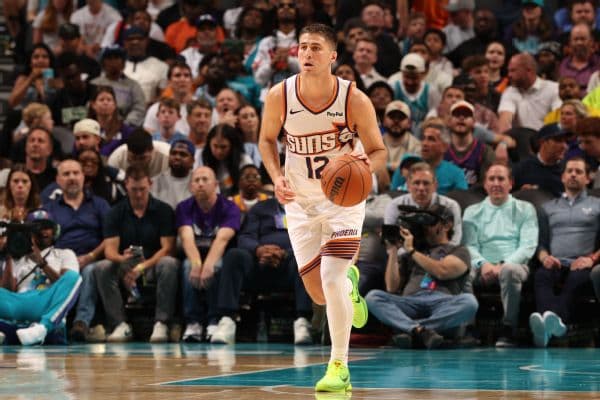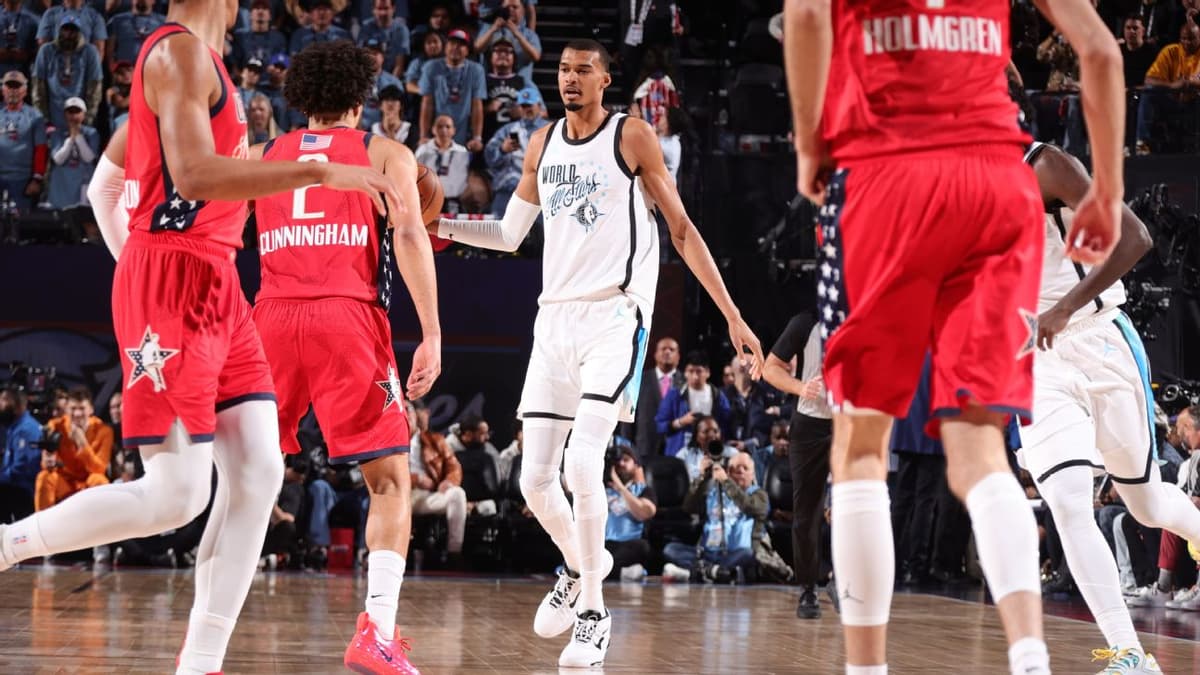
The NBA All-Star Game returned to the bright lights of Los Angeles this past weekend, bringing together the world’s greatest basketball talent for a spectacle that extended far beyond the four quarters on the court. While the glitz and glamour of Hollywood provided the perfect backdrop, the real substance came from the evolving narratives that will shape the league’s future. From radical format changes to the looming shadow of league expansion, the NBA All-Star Game storylines emerging from Southern California suggest a league that is restless for innovation.
1. The Quest for a Competitive Format
For years, the primary criticism of the NBA All-Star Game has been the lack of defensive intensity and competitive fire. In Los Angeles, the conversation shifted from "if" the format needs to change to "how" it will change next. Commissioner Adam Silver and league officials have been transparent about their desire to fix the Sunday night showcase. While the traditional East vs. West format was utilized, there is significant momentum behind a four-team tournament style similar to what is seen in the Rising Stars Challenge.
The goal is simple: create a product that players want to win. Whether through increased financial incentives or a more bracketed, high-stakes environment, the league is clearly moving away from the high-scoring, low-effort exhibitions of the past. The feedback from players in L.A. suggested a willingness to experiment, provided the schedule remains manageable during the mid-season break.
2. Victor Wembanyama and the New Era of Stardom
If there was one individual who dominated the NBA All-Star Game storylines without even needing to lead the box score, it was Victor Wembanyama. The San Antonio Spurs sensation has transitioned from a hyped prospect to a foundational pillar of the league's marketing and competitive future. His presence in Los Angeles was a reminder of the NBA's global reach and the shift toward a more versatile, positionless style of play.
Wembanyama wasn't the only young star making waves. The weekend served as a showcase for the next generation of leadership, including standout representatives from the Minnesota Timberwolves and the Memphis Grizzlies. As the league prepares for the eventual retirement of icons like LeBron James and Stephen Curry, the L.A. weekend proved that the "new guard" is more than ready to carry the mantle of the NBA All-Star Game.
3. Expansion and the Looming Media Rights Deal
Off the court, the biggest news wasn't about a dunk or a three-pointer; it was about the map of the NBA. The chatter in the corridors of the Crypto.com Arena was dominated by the league’s upcoming media rights deal and the subsequent plans for expansion. It is no longer a secret that Seattle and Las Vegas are the frontrunners to receive franchises once the new television contracts are finalized.
The significance of this cannot be overstated. Expansion will require a massive reshuffling of the Western and Eastern Conferences and will dilute the talent pool—or, as some argue, provide a necessary outlet for the surplus of elite talent currently in the league. The NBA All-Star Game in Los Angeles acted as a summit for team owners and league executives to align on these growth strategies, making it clear that the 30-team era is nearing its end.
4. The L.A. Factor and Player Engagement
Hosting the All-Star festivities in Los Angeles always adds a layer of intensity to the weekend. For players, L.A. represents the intersection of basketball, business, and entertainment. This year, there was a noticeable uptick in player engagement across the various events. Damian Lillard and other veterans emphasized the importance of maintaining the integrity of the weekend while balancing the heavy commercial demands.
The weekend featured several key highlights that underscored this engagement:
- Damian Lillard continuing to showcase his elite shooting range, proving why he remains a perennial All-Star fixture.
- The Minnesota Timberwolves' stars demonstrating why they have become a force to be reckoned with in the Western Conference.
- A renewed focus on the fan experience, with interactive zones and tech-integrated viewing options that aimed to bring the NBA All-Star Game closer to a global audience.
What’s Next for the NBA?
As the players depart Los Angeles and return to their respective markets, the impact of this weekend will linger. The NBA All-Star Game remains the league's premier marketing tool, but it is also a laboratory for change. With the league office looking at 2026 and beyond, the storylines established in L.A. regarding format, expansion, and the rise of international superstars like Wembanyama will be the primary drivers of the NBA's evolution.
The road to the playoffs now begins in earnest, but the lessons learned and the rumors sparked in Los Angeles will continue to fuel the basketball world for months to come.
Sources & Original Reporting