The NBA All-Star Game has long been the ultimate stage for the league's brightest stars to showcase their skills, but it has also served as a high-profile runway for basketball fashion. Since the inaugural game in 1951, NBA All-Star uniform designs have shifted from simple, utilitarian athletic wear to bold, culturally significant statements that define entire eras of the sport. As we look ahead to the 2026 festivities, understanding the visual history of the midsummer classic offers a unique window into the evolution of the league itself.
The Early Decades: Classic Stars and Stripes (1951–1980s)
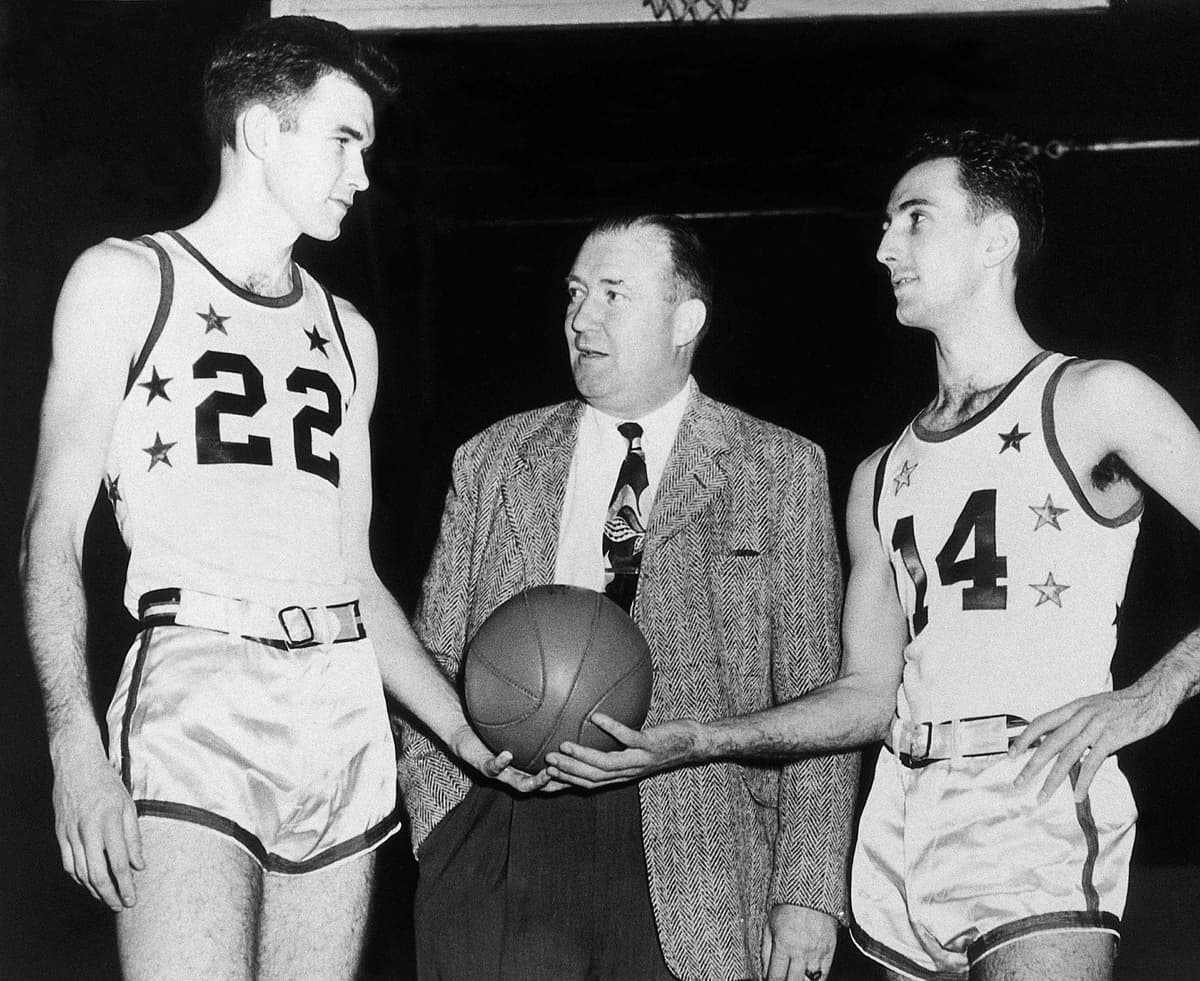
In the beginning, the focus was purely on the prestige of the event rather than the marketing of the apparel. The first All-Star Game, held at the Boston Garden in 1951, featured uniforms that set the standard for the next thirty years. These early NBA All-Star uniform designs were characterized by a patriotic red, white, and blue color palette, often featuring simple block lettering and a series of stars running down the sides of the shorts or jerseys.
Throughout the 1960s and 1970s, the designs remained relatively conservative. Whether the game was hosted by the Boston Celtics or the Philadelphia 76ers, the aesthetic stayed true to the "East vs. West" format. The jerseys typically featured "East" or "West" across the chest in a classic serif font, a look that remains a favorite among purists and fans of the retro aesthetic today.
The Experimental 1990s: A Burst of Color and Creativity
If the early years were about tradition, the 1990s were about breaking the mold. This decade saw some of the most polarizing and memorable NBA All-Star uniform designs in history. As the league’s popularity exploded globally, the designs became more illustrative and tied to the host city’s identity.
- 1995 (Phoenix): The "Cactus" jerseys featured a giant purple star and a cactus motif, reflecting the desert landscape of Arizona.
- 1996 (San Antonio): Perhaps the most iconic of all, these uniforms featured a vibrant teal base with a large chili pepper and pink/orange accents, perfectly capturing the spirit of the San Antonio Spurs' home city.
- 1997-2002: In a brief but notable departure from tradition, the NBA allowed players to wear their own team's jerseys (Home for one side, Away for the other). This meant seeing a Chicago Bulls jersey alongside a Miami Heat or Houston Rockets kit on the same floor.
The Modern Era: Branding and Innovation
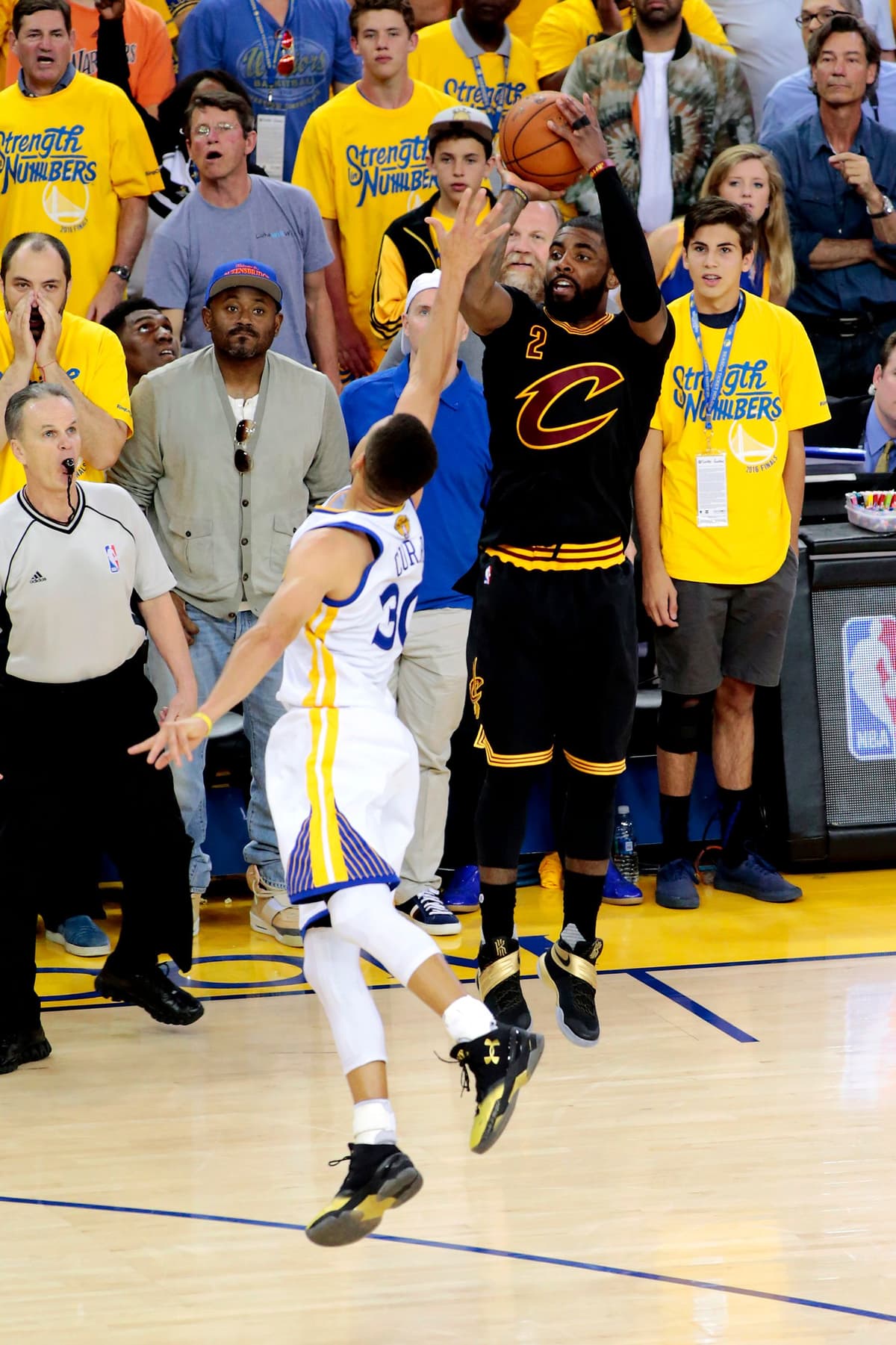
With the turn of the millennium, the NBA returned to dedicated All-Star uniforms, but with a renewed focus on sleek, modern branding. The 2000s and 2010s saw a mix of retro-inspired looks and high-tech performance gear. During this era, superstars like LeBron James, Kyrie Irving, and Russell Westbrook became the faces of the All-Star weekend, often debuting signature shoes that complemented the bold jersey designs.
In 2018, the league made a significant shift by partnering with the Jordan Brand for the All-Star uniforms. This era introduced more monochromatic and minimalist styles, such as the black-and-white map-inspired designs seen in Los Angeles. The Golden State Warriors, Brooklyn Nets, and Charlotte Hornets have all seen their local flavors integrated into these modern kits when hosting the event.
Looking Toward NBA All-Star 2026
As we approach 2026, the design process has become more collaborative than ever. Modern NBA All-Star uniform designs now incorporate feedback from the athletes themselves and the host cities, ensuring that the gear resonates with fans from the Sacramento Kings to the Washington Wizards. Recent iterations have paid homage to legends of the game while utilizing sustainable materials and cutting-edge textile technology.
Whether it is the Cleveland Cavaliers hosting a celebration of the league's 75th anniversary or the Oklahoma City Thunder and Minnesota Timberwolves stars representing the next generation, the jersey remains the primary symbol of making the All-Star cut. From the Orlando Magic-inspired stars of the 90s to the sleek Jumpman logos of today, the evolution of these uniforms is a testament to the NBA's ability to stay at the forefront of sports culture.
Why Uniform History Matters
For fans and collectors, these jerseys are more than just fabric; they are snapshots of specific moments in NBA history. Seeing LeBron James in a 2004 "East" jersey evokes a different memory than seeing him in the 2024 edition. As the league continues to innovate, the NBA All-Star uniform designs will undoubtedly continue to push boundaries, blending the rich heritage of teams like the Los Angeles Lakers with the futuristic vision of the modern NBA.
Sources & Original Reporting