The landscape of professional basketball is about to undergo a seismic shift as the league office takes its most aggressive stance yet against the controversial practice of "tanking." In a move designed to protect the integrity of the regular season and ensure a competitive product for fans and broadcasters alike, the NBA anti-tanking rules are set to be enacted starting with the 2026-27 season.
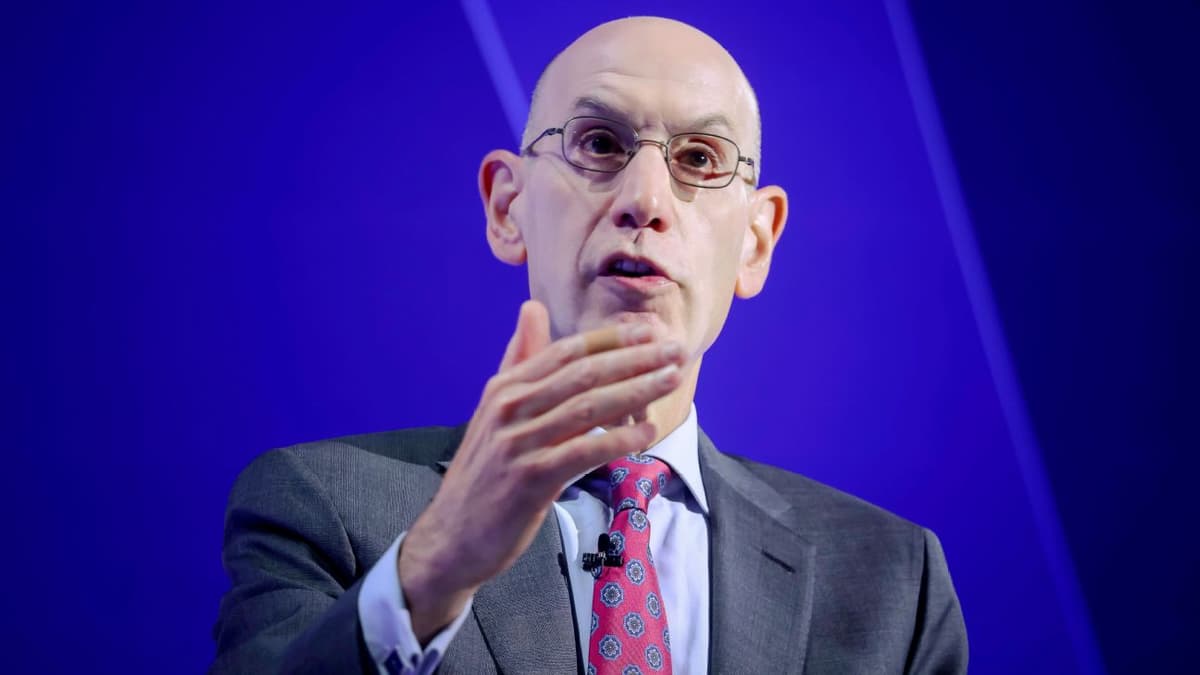
According to sources familiar with the matter, NBA Commissioner Adam Silver officially informed the league’s 30 general managers during a meeting on Thursday that the league plans to implement these rule changes. While the specific mechanics of the new policy are still being finalized, the message from the league office was clear: the era of the blatant "race to the bottom" is facing its strictest regulatory environment to date. With the current 2025-26 season already past the midway point, this announcement serves as a critical warning for front offices planning their long-term trajectories.
Adam Silver’s Directive to General Managers
The announcement came during a scheduled meeting where Silver addressed the architects of all 30 NBA franchises. For years, the league has grappled with the optics of teams intentionally fielding non-competitive rosters in the latter half of the season to secure higher lottery odds. By informing the general managers directly, Silver is setting the stage for a transition period where front offices must recalibrate their rebuilding strategies before the 2026-27 season begins.
The implementation of these NBA anti-tanking rules follows a series of incremental steps the league has taken over the last decade. In 2019, the NBA flattened the lottery odds, giving the three worst teams an equal 14% chance at the number one overall pick. While that change successfully discouraged teams from needing to be the absolute worst, it did not entirely eliminate the incentive for teams to pivot toward losing once they were eliminated from postseason contention in the spring months.
Protecting the Value of the Regular Season
The timing of this crackdown is no coincidence. As the NBA enters a new era of media rights deals and increased scrutiny over player participation, the value of every single regular-season game has never been higher. When teams bench healthy veterans or field lineups of G-League-level talent in March and April, it devalues the product that the league sells to its global partners. The league's goal is to ensure that the "dog days" of the season remain relevant for fans and bettors alike.
Sources indicate that the new rules will likely target specific behaviors that have become hallmarks of the tanking process. While the official handbook update is pending, the following areas are expected to see increased regulation:
- Stricter reporting requirements: Enhanced oversight regarding player injuries and "rest" designations, particularly for star players on non-contending teams.
- Competitiveness thresholds: Potential financial or draft-related penalties for teams that fail to maintain a baseline level of competitiveness throughout the 82-game schedule.
- Lottery structural adjustments: Further decoupling the correlation between a team's loss total and their probability of securing a top-three draft selection.
By enacting these changes, the NBA aims to ensure that teams remain incentivized to win as many games as possible, regardless of their position in the standings. This move is seen as a significant win for fans in smaller markets who pay full price for tickets late in the season, only to find their home team is not putting forth its best effort to win.
Impact on Team Building and Front Office Strategy
For NBA front offices, the introduction of formal NBA anti-tanking rules represents a significant hurdle. The "Process-era" philosophy of stripping a roster down to its bare bones to accumulate high-end talent through the draft has already become more difficult, but these new regulations could make that path nearly obsolete.
General managers will now need to find more creative ways to rebuild rosters. We may see an increase in aggressive trading and a higher premium placed on mid-to-late first-round picks, as the guarantee of a top-three pick becomes harder to manufacture through intentional losing. This shift also places more pressure on scouting departments to find value throughout the draft, rather than relying on the statistical safety net of a top-five selection.
What Happens Next?
While the framework has been communicated to the general managers, the official language of the new rules must still be ratified by the NBA Board of Governors. Historically, when Commissioner Silver presents a directive of this magnitude to the GMs, the formal approval process follows shortly thereafter.
As we navigate the final months of the 2025-26 season, teams will be watching the league office closely for the finalized terminology of these regulations. Fans can expect a detailed breakdown of the specific penalties and procedural changes later this summer, well ahead of the 2026-27 season. The NBA's commitment to competitive balance remains a cornerstone of its growth strategy, signaling that while the draft is a vital tool for parity, it should not come at the expense of the game's fundamental spirit: the drive to win every time the ball is tipped.
Sources & Original Reporting