For decades, the NBA Draft lottery has been viewed as the ultimate salvation for struggling franchises. The logic seems foolproof: lose enough games to secure a top-five pick, draft a generational talent, and wait for the championship window to open. However, as the NBA weighs dramatic lottery reform to discourage tanking, a closer look at the data reveals a startling reality. Building NBA championship rosters is rarely as simple as winning the lottery, and the last 20 years of league history suggest that the top of the draft board is not the guaranteed path to glory many believe it to be.
The Top-Five Draft Paradox
The allure of a top-five pick is undeniable. It represents hope, marketing potential, and the chance to land a franchise-altering athlete. Yet, when examining the champions of the last two decades, a clear trend emerges: drafting in the top five has not been the primary driver of title success. While these picks often result in All-Star appearances and individual accolades, they infrequently translate into Larry O'Brien trophies for the teams that originally drafted them.
This paradox is at the heart of the league's current discussion regarding lottery reform. If the incentive to tank is built on the promise of a championship, but the data shows that those picks aren't delivering titles, the foundational strategy of many front offices may be flawed. Instead of a linear path from the lottery to the podium, successful teams are finding that elite talent is often found in the middle of the first round, the second round, or through aggressive trade markets.
The San Antonio Spurs: A Historic Outlier
In any statistical analysis of the draft, the San Antonio Spurs stand as the ultimate outlier. Their dynasty was famously kickstarted by the selection of David Robinson and later Tim Duncan with the #1 overall pick. Unlike many other franchises, the Spurs managed to turn those top-tier selections into a two-decade run of sustained excellence, including five championships.
However, the Spurs' success with Duncan is increasingly viewed as the exception rather than the rule. Their ability to pair a top-five talent with a world-class developmental system and international scouting (finding Tony Parker and Manu Ginobili late in the draft) is a feat few have replicated. While the Spurs proved that a #1 pick can be the cornerstone of a dynasty, most other teams who have struck gold at the top of the draft have struggled to build the necessary infrastructure around those stars to reach the mountaintop.
The Nuggets and Warriors: Finding Value Outside the Top Five
If the top five isn't the sweet spot, where are champions coming from? Look no further than the Denver Nuggets and the Golden State Warriors. These two franchises have defined the modern era of the NBA by identifying elite talent where others saw question marks.
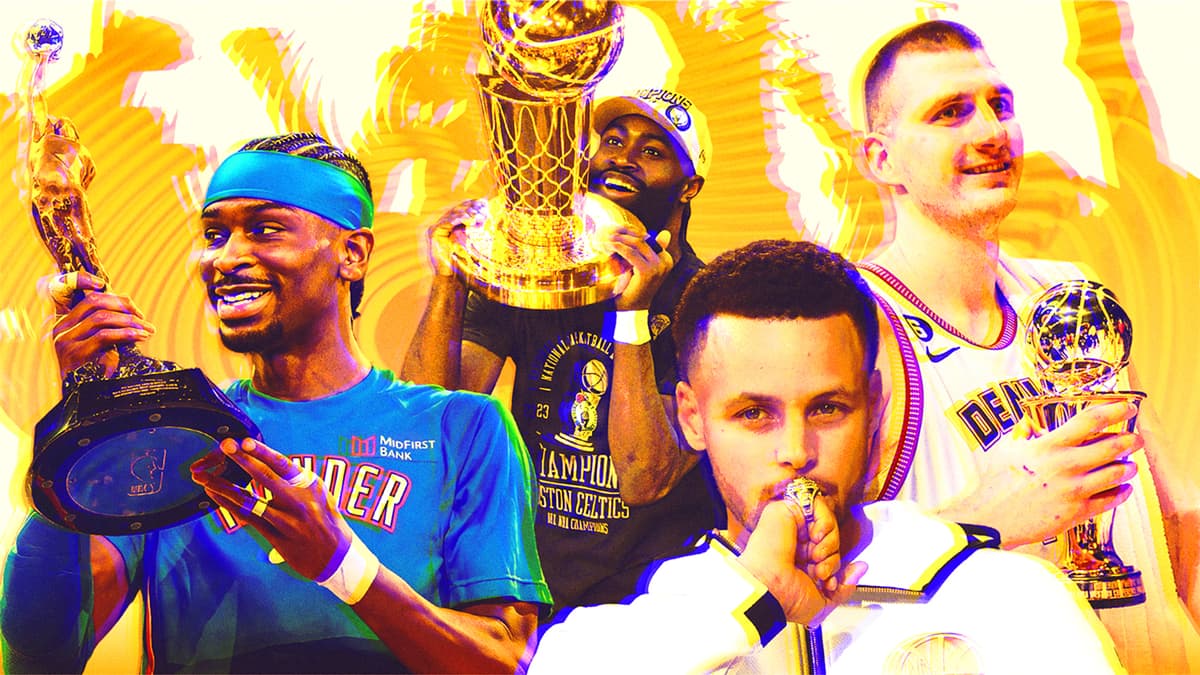
The Nuggets secured their first championship behind Nikola Jokic, a player famously drafted in the second round (41st overall) during a commercial break. Jokic’s rise to three-time MVP and NBA champion is the ultimate proof that scouting and development often outweigh draft position. Similarly, the Warriors built a dynasty around Stephen Curry, who was selected 7th overall. While still a high pick, Curry fell outside the "elite" top-five bracket, yet he became the greatest shooter in history and the engine of four title teams.
- Nikola Jokic: Drafted 41st overall (2nd Round).
- Stephen Curry: Drafted 7th overall.
- Giannis Antetokounmpo: Drafted 15th overall (Milwaukee Bucks).
These examples highlight a shift in how NBA championship rosters are constructed. The focus has moved from simply acquiring the most hyped prospect to finding the right fit for a specific system.
The Modern Blueprint: Oklahoma City and Boston
The Oklahoma City Thunder and Boston Celtics provide two different but equally effective blueprints for the modern era. The Celtics, the reigning champions, did utilize high draft picks to secure Jaylen Brown (#3 overall), but their roster was finalized through massive trades for veteran stars like Jrue Holiday and Kristaps Porzingis. They combined the benefits of the lottery with the aggression of the trade market.
The Thunder, currently a powerhouse in the Western Conference, have taken a unique route. While they have a mountain of draft picks, their cornerstone player, Shai Gilgeous-Alexander, was not a top-five pick by the organization. Instead, he was acquired via a blockbuster trade. OKC has used the draft to build depth, but their primary star was a product of savvy asset management rather than lottery luck. This "asset accumulation" strategy is becoming the new standard for teams looking to bypass the traditional rebuilding cycle.
Conclusion: Why Roster Construction is Changing
As the NBA considers changes to the lottery system, the message to front offices is clear: the draft is a tool, not a solution. The era of relying solely on the top five to build NBA championship rosters is fading. Between the rise of international scouting, the importance of player development, and the volatility of the trade market, the path to a title has never been more complex.
Teams that find success in the next decade will likely be those that emulate the Nuggets' scouting, the Warriors' system-building, or the Celtics' aggressive roster rounding. The San Antonio Spurs may have set the gold standard with Tim Duncan, but in today's NBA, the real winners are often found long after the first five names are called on draft night.
Sources & Original Reporting