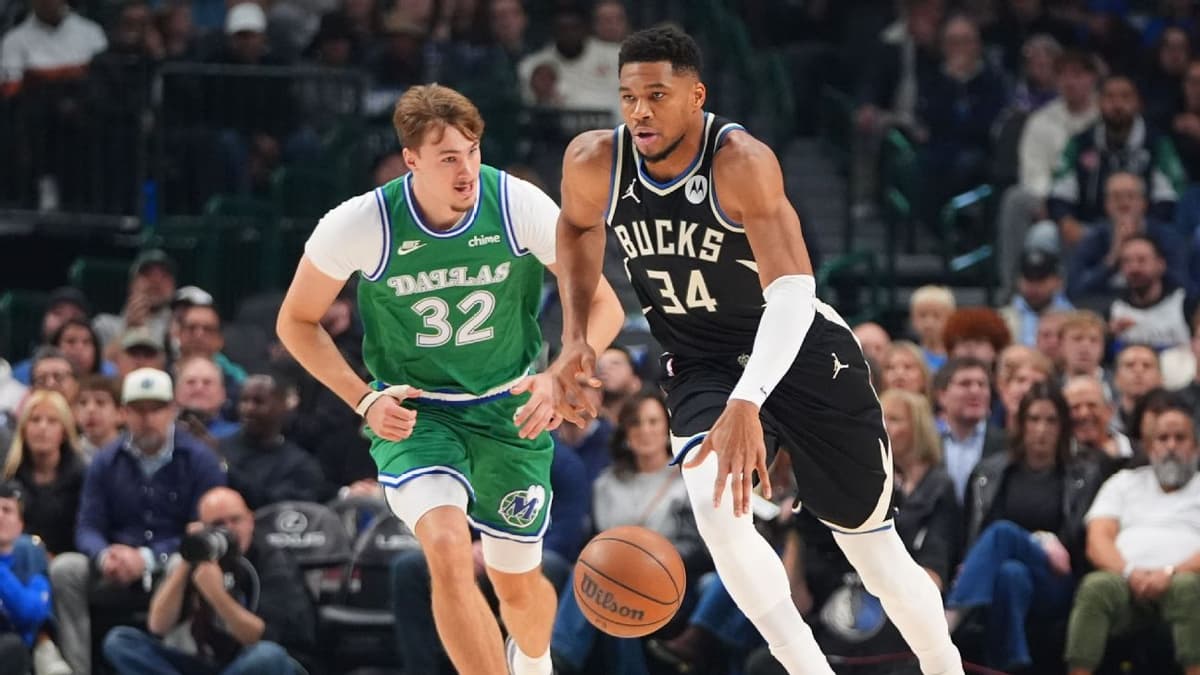
When basketball fans hear about NBA players spending extra time working on "the boards," the mind immediately jumps to physical battles for rebounds and dominant post play. However, a quiet revolution is taking place in locker rooms, team planes, and hotel suites across the league. The NBA chess boom is in full swing, as some of the world’s most elite athletes trade their controllers and highlight reels for the 64 squares of a chessboard. This intellectual pursuit is no longer just a niche hobby for a few veterans; it has become a cornerstone of team culture and mental preparation for the modern era of professional basketball.
The Strategic Shift: Why the NBA Chess Boom is Real
The NBA chess boom represents a significant shift in how players approach their downtime. While video games and social media once dominated the travel schedules of professional athletes, many are now finding that the strategic depth of chess offers a unique way to stay sharp. The game demands foresight, patience, and the ability to anticipate an opponent’s moves—skills that translate directly to the high-stakes environment of an NBA court.
From the Milwaukee Bucks to the San Antonio Spurs, players are increasingly seen huddled over boards or staring intently at their phones while using popular chess applications. This trend isn't just about passing time; it’s about the mental edge. Players like Giannis Antetokounmpo and Victor Wembanyama have embraced the game, recognizing that the same analytical thinking required to break down a zone defense can be honed by navigating a complex mid-game gambit.
The Pioneers and the Modern Masters
While the current surge in popularity is unprecedented, the seeds of the NBA chess boom were planted by high-IQ veterans who prioritized mental stimulation. Former stars like Derrick Rose and Rajon Rondo were long known as the league’s premier chess aficionados. Rondo, in particular, was famous for his ability to visualize plays several steps ahead on the court, a trait he frequently attributed to his love for the board game.
Today, that legacy is being carried forward by a new generation of talent. Onyeka Okongwu of the Atlanta Hawks and Jaime Jaquez Jr. of the Miami Heat have become prominent figures in the league's chess circle. These players aren't just casual observers; they are dedicated students of the game, often engaging in fierce matches during long cross-country flights. For these athletes, chess serves as a bridge between the physical intensity of the game and the intellectual rigor required to maintain a long career in the league.
Building Team Chemistry Through 64 Squares
Beyond individual improvement, chess has become a powerful tool for building team chemistry. In an era where players often retreat into their own digital worlds, the chessboard provides a communal space for interaction. The Golden State Warriors have seen this firsthand with rookies Quinten Post and Harrison Ingram, who have used the game to bond and integrate into the team's professional environment.
Similarly, the Charlotte Hornets and Minnesota Timberwolves have seen players like Grant Williams and Rudy Gobert use chess as a way to engage with teammates. Williams, known for his high basketball IQ, often uses the game to challenge his peers, fostering a competitive but collaborative atmosphere. In Minnesota, Gobert’s analytical approach to defense mirrors his methodical style on the chessboard, where every move is calculated to maximize efficiency and minimize risk.
The International Influence: Wembanyama and the Global Game
The influx of international talent has also played a significant role in fueling the NBA chess boom. Victor Wembanyama, the San Antonio Spurs' phenom, represents the modern archetype of the "intellectual athlete." Coming from a European background where chess is often integrated into early education, Wembanyama views the game as a natural extension of his professional development. His presence in the league has only served to further normalize the pursuit of intellectual hobbies among his peers.
The Future of Strategy in the NBA
As the NBA continues to evolve into a game defined by spacing, analytics, and tactical adjustments, the popularity of chess is likely to grow. The NBA chess boom is a testament to the league’s increasing emphasis on mental health and cognitive performance. By engaging in a game that rewards discipline and strategic thinking, players are finding new ways to stay engaged during the grueling 82-game season.
Whether it is a rookie looking to earn respect or an established superstar like Antetokounmpo seeking a new challenge, the chessboard has become a permanent fixture in the landscape of professional basketball. As the lines between physical sports and mental strategy continue to blur, the NBA's quiet chess boom proves that the smartest players on the court are often the ones making the best moves off of it.
Sources & Original Reporting