The NBA’s long-standing battle against the "race to the bottom" is reaching a critical turning point. According to league sources, a radical new NBA draft lottery reform proposal has been presented to team general managers and the competition committee. The plan, often referred to as the "3-2-1 model," aims to fundamentally shift the incentives for rebuilding teams by expanding the lottery field and, for the first time, statistically penalize the teams with the worst records.
The '3-2-1' Proposal: A New Era of NBA Draft Lottery Reform
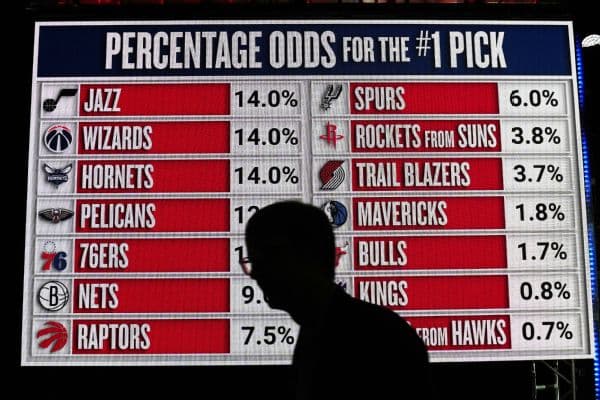
For decades, the NBA has tweaked its lottery odds to discourage teams from intentionally losing games to secure a top pick. While the 2019 changes flattened the odds among the bottom three teams, the league office reportedly believes more aggressive measures are necessary. This latest NBA draft lottery reform proposal suggests expanding the lottery pool from 14 teams to 16 teams, incorporating more participants from the play-in tournament era into the weighted system.
The core of the proposal is the "3-2-1" distribution of lottery balls. Unlike the current system, which grants the most significant advantage to the teams with the fewest wins, this model would actually provide fewer chances to the league's basement dwellers. This shift is designed to create a "competitive zone" where teams are rewarded for staying in the hunt for a play-in spot rather than stripping their rosters for a high-percentage shot at a generational prospect.
Breaking Down the '3-2-1' Ball Distribution
The proposed model categorizes the 16 lottery teams into three distinct tiers based on their performance and play-in tournament results. This distribution represents a massive departure from traditional lottery logic, focusing on rewarding competitiveness over failure.
The 3-Ball Group (7 Teams)
This tier would consist of the teams ranked 4th through 10th in the reverse standings. By giving these middle-tier teams the highest number of lottery balls, the league hopes to incentivize franchises to remain competitive throughout the season. Under this structure, a team fighting for a play-in spot but ultimately falling short would actually have a statistically better chance at the No. 1 overall pick than the team with the worst record in the league.
The 2-Ball Group (7 Teams)
In a move to penalize extreme losing, the bottom three teams in the league would be grouped with the 9th and 10th seeds from the play-in tournament (seven teams total). This ensures that the worst teams in the league have fewer chances at the No. 1 pick than the teams finishing just above them. This grouping effectively tethers the worst-performing franchises to teams that were on the cusp of the postseason, removing the guaranteed "pole position" for the draft lottery.
The 1-Ball Group (2 Teams)
This final tier consists of the losers of the 7-8 play-in games from each conference. These teams, which were closest to securing a guaranteed playoff spot, would receive the lowest weighting in the lottery. While they still have a mathematical path to a top pick, the system prioritizes the teams in the middle of the pack to discourage the late-season "tank" often seen by teams that realize they won't make a deep playoff run.
Harsher Penalties for the League's Basement
The NBA draft lottery reform proposal doesn't stop at ball distribution. Sources indicate the league is considering much lower "floors" for the worst-performing teams. Currently, the team with the worst record can fall no further than the 5th overall pick. Under the new proposal, the bottom three teams could see their draft slot slide as far back as the 12th pick if the lottery balls do not fall in their favor.
Furthermore, the league is eyeing consecutive pick restrictions. This rule would prevent a team from picking in the top three in back-to-back seasons, or potentially restrict them from high-lottery picks multiple times within a four-year window. This is a direct response to multi-year "process-style" rebuilds, signaling that the NBA wants teams to find ways to improve through scouting and development rather than relying solely on a stack of top-three selections.
The Path to Implementation
While the details of the "3-2-1" model have sparked significant conversation among league executives, it is important to note that this is currently a proposal under review rather than a finalized change. The plan was presented to general managers and the competition committee to gauge interest and gather feedback from the franchises that would be most affected.
For this NBA draft lottery reform to become official league policy, it must face a formal vote by the NBA Board of Governors. That vote is currently expected to take place in May. If approved, the changes would represent the most significant overhaul of the draft process since the lottery was first introduced in 1985, potentially ending the era of intentional tanking as we know it. The league's goal is clear: ensure that every game on the calendar remains meaningful for fans and competitive for players.
Sources & Original Reporting