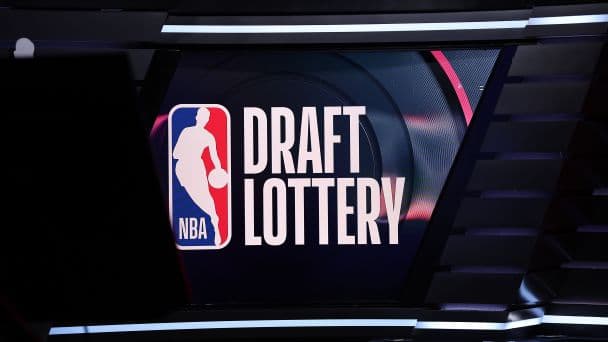
The NBA is on the precipice of a seismic shift in how its franchises approach the rebuilding process. For years, the "race to the bottom" has been a controversial staple of the league’s ecosystem, with teams intentionally fielding sub-optimal rosters to secure the best possible odds at a generational talent. However, that era may be coming to an end. As the league prepares to vote on significant anti-tanking measures, the proposed NBA draft lottery reform aims to balance the scales of competitive integrity and the necessity of high-end talent acquisition.
The Primary Goal of NBA Draft Lottery Reform
The core objective behind the latest NBA draft lottery reform is simple: discourage teams from losing on purpose. Under the previous systems, the team with the worst record held a significant statistical advantage in securing the number one overall pick. The new measures seek to flatten these odds, ensuring that the incentive to finish with the absolute worst record is minimized. By spreading the percentage chances for the top pick across more teams, the league hopes to keep more franchises competitive deeper into the regular season.
The Pros: Restoring Competitive Integrity
The most immediate benefit of the reform is the restoration of the regular season's value. When teams are incentivized to win rather than lose, the quality of play improves across the board. This is a win for fans, broadcasters, and the league’s bottom line. Key advantages include:
- Increased Late-Season Competition: Teams that might have previously "shut down" their stars in March will now have a reason to compete for play-in spots or better seeding.
- Disincentivizing Blatant Tanking: By reducing the gap in odds between the worst team and the fifth or sixth-worst team, the reward for extreme losing is significantly diminished.
- Fan Engagement: Supporters of rebuilding teams are less likely to experience the frustration of watching a team actively try to lose games.
The Cons: The Small Market Dilemma
While the reform aims to fix the optics of losing, it does not necessarily solve the problem of how bad teams get better. Critics of the NBA draft lottery reform argue that it may inadvertently trap struggling franchises in a cycle of mediocrity. In a league where superstar talent is the primary currency, the draft remains the only reliable way for small-market teams to acquire elite players. If the odds are flattened too much, a team that is legitimately bad—not by choice, but by lack of talent—could find themselves picking outside of the top three for several consecutive years, stalling their rebuild indefinitely.
The "Head-Scratching" Elements of the New Rules
As with any major policy shift, there are components of the reform that have left analysts and front offices questioning the long-term execution. One of the more complex additions involves the limitations on how many consecutive years a team can participate in the lottery. While this prevents a "perpetual rebuild," it creates a scenario where a team could be genuinely terrible but forced to pick lower in the draft simply because they had a high pick the year prior. This "penalty for being bad" is one of the more controversial aspects of the proposal, as it prioritizes league-wide optics over the specific needs of a struggling roster.
The Impact on Team Strategy
Front offices will now have to pivot their long-term strategies. The era of the "multi-year tank"—popularized by the "Process"-era Philadelphia 76ers—is effectively over. Instead, teams will likely look toward more aggressive scouting, trades, and player development to bridge the gap. The draft will still be a vital tool, but it can no longer be the only tool in a GM's shed. As the league prepares to finalize these changes, the message is clear: the NBA wants every team to try to win, every night.
Sources & Original Reporting