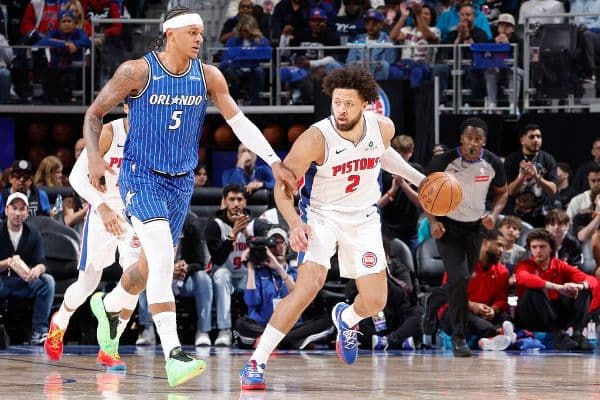
For years, the prospect of NBA expansion has been discussed in hushed tones and hypothetical scenarios, but the league is now closer than ever to turning those dreams into reality. With the NBA’s massive new media rights deal serving as the final major hurdle, Commissioner Adam Silver and the Board of Governors are pivoting toward the logistical challenge of growing the league from 30 to 32 teams. The move represents a seismic shift in the professional basketball landscape, promising to bring the game back to a beloved traditional market and introduce it to the world’s newest sports mecca.
The Timeline for NBA Expansion
The road to NBA expansion has been paved with strategic patience. Commissioner Adam Silver has consistently stated that the league needed to finalize its collective bargaining agreement (CBA) and its national media rights contracts before addressing growth. With those pillars now in place—including a media deal worth a reported $76 billion over 11 years—the league has the financial certainty required to integrate new franchises. While an official announcement is not expected until later in the 2024-25 season or the following off-season, the internal momentum is undeniable. Experts suggest that the new teams could realistically begin play by the 2027-28 or 2028-29 season.
Seattle and Las Vegas: The Leading Candidates
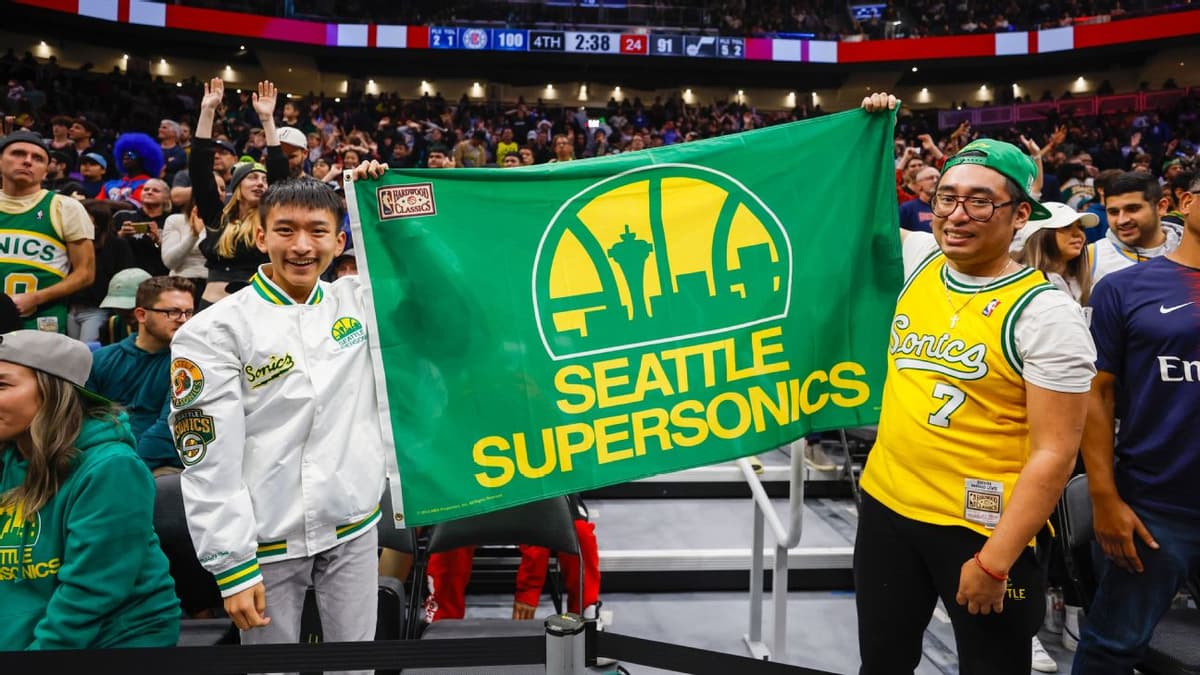
While several cities have expressed interest, Seattle and Las Vegas remain the undisputed frontrunners for the two expansion slots. Seattle represents a historical wrong that many fans and former players have wanted to right since the SuperSonics relocated to Oklahoma City in 2008. The city already has a state-of-the-art venue in Climate Pledge Arena and a proven appetite for professional sports, as seen with the success of the NHL’s Kraken and the WNBA’s Storm.
On the other hand, Las Vegas has rapidly transformed into a premier destination for professional athletics. Following the successful launches of the Vegas Golden Knights (NHL) and the relocation of the Raiders (NFL), the NBA sees the city as a golden opportunity for revenue and global branding. The league already has a deep footprint in the city through the NBA Summer League and the Emirates NBA Cup, making a permanent franchise the logical next step.
Understanding the NBA Expansion Draft Format
One of the most complex aspects of adding new teams is the NBA expansion draft. This process allows new franchises to build a foundational roster by selecting players from existing teams. While the exact rules for the next expansion have yet to be finalized, historical precedents and current league trends provide a clear roadmap of how this might look:
- Protection Lists: Existing teams will likely be allowed to "protect" a specific number of players on their roster—typically eight. Any player not on the protection list becomes eligible for selection by the expansion teams.
- Player Limits: To ensure competitive balance, expansion teams are usually limited to taking only one player from any single existing franchise.
- Salary Cap Considerations: The expansion teams will have to navigate a unique salary cap environment, often starting with a slightly lower cap floor than established teams for their inaugural season.
- The Entry Draft: In addition to the expansion draft, the new franchises will participate in the standard NBA Draft, usually receiving high-lottery odds to ensure they can acquire young, elite talent immediately.
The Financial Impact and League Realignment
The financial stakes of NBA expansion are staggering. Current estimates suggest that expansion fees could reach between $4 billion and $5 billion per team. This multi-billion dollar windfall would be distributed among the existing 30 team owners, providing a significant cash infusion. However, the long-term challenge involves revenue sharing; adding two more teams means the league’s annual revenue must be split 32 ways instead of 30.
Furthermore, the addition of two teams in the West (Seattle and Las Vegas) would necessitate a geographical realignment. To maintain balance, at least one current Western Conference team would likely need to move to the Eastern Conference. The Minnesota Timberwolves, Memphis Grizzlies, and New Orleans Pelicans are the primary candidates for a move East, which would significantly reduce their travel miles and create new divisional rivalries.
The Path Forward
As the NBA prepares for this next chapter, the focus remains on ensuring that expansion adds value to the league without diluting the talent pool. With the influx of international stars like Nikola Jokic, Luka Doncic, and Victor Wembanyama, the league’s talent depth is arguably at an all-time high, making this the perfect moment to expand the stage. For fans in Seattle and Las Vegas, the wait is almost over; the NBA is coming, and it’s bringing a whole new era of basketball with it.
Sources & Original Reporting