As the 2025-26 NBA regular season enters its final turn this March 10, 2026, the focus shifts from individual accolades to the high-stakes chess match of postseason positioning. While talent and health are the primary drivers of success, a third, often overlooked factor begins to loom large: the remaining strength of schedule. With several organizations pivoting toward draft lottery positioning, the NBA playoff races are increasingly being defined by who a team plays rather than just how they play.
The Western Conference Power Struggle: Thunder and the Chasers
At the top of the Western Conference, the Oklahoma City Thunder have established themselves as the team to beat, but the Denver Nuggets and Minnesota Timberwolves remain in a grueling race for home-court advantage. For these contenders, the final weeks of the season are a balancing act between resting stars and securing a top-two seed. The schedule provides a unique opportunity for these giants to capitalize on matchups against teams that have shifted their focus to the offseason.
The Rockets and the Play-In Bubble
The Houston Rockets represent one of the most intriguing storylines in the West. As they attempt to climb the standings and secure a spot in the Play-In Tournament, their path is heavily dictated by the quality of their opposition. When facing teams with nothing left to play for, the Rockets' young core has a chance to pad their win total, but any slip-up against a rebuilding opponent could prove fatal to their postseason hopes.
The Lakers' Veteran Navigation
Meanwhile, the Los Angeles Lakers remain the ultimate wildcard. LeBron James and Anthony Davis continue to navigate the end-of-season grind, but their roster's age makes the schedule's density just as important as the opponents themselves. A cluster of games against bottom-tier teams could provide the Lakers the cushion they need to move out of the Play-In range and into a guaranteed top-six spot in the NBA playoff races.
The Eastern Conference Logjam: Detroit’s Surprising Lead
In a season that has defied expectations, the Detroit Pistons find themselves leading the Eastern Conference as we head into mid-March. While the Boston Celtics have maintained a presence near the top, the battle for seeds two through eight is a statistical nightmare. The Cleveland Cavaliers, New York Knicks, and Philadelphia 76ers are separated by the thinnest of margins, making every remaining game a must-win scenario.
Knicks and Cavaliers: Searching for Consistency
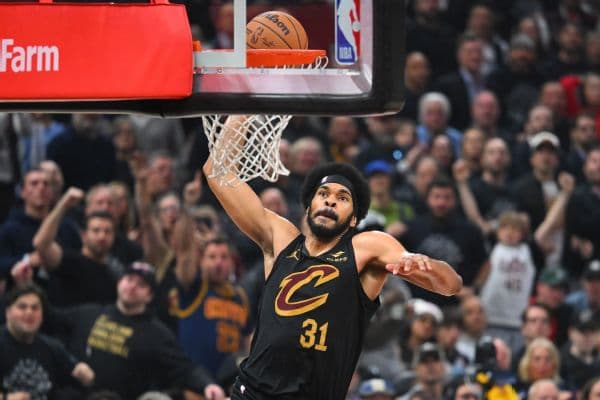
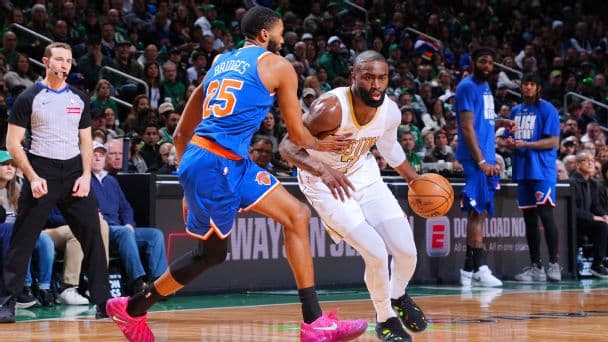
The New York Knicks, in particular, have dealt with significant injury hurdles this season, making a soft landing in the schedule essential for their survival. If they can exploit matchups against rebuilding teams like the Toronto Raptors, they may secure the home-court advantage necessary for a deep playoff run. Conversely, the Cleveland Cavaliers are monitoring their rotation while trying to navigate a schedule that features several high-stakes matchups against fellow Eastern Conference contenders.
The Magic and Heat: Defensive Identity vs. Experience
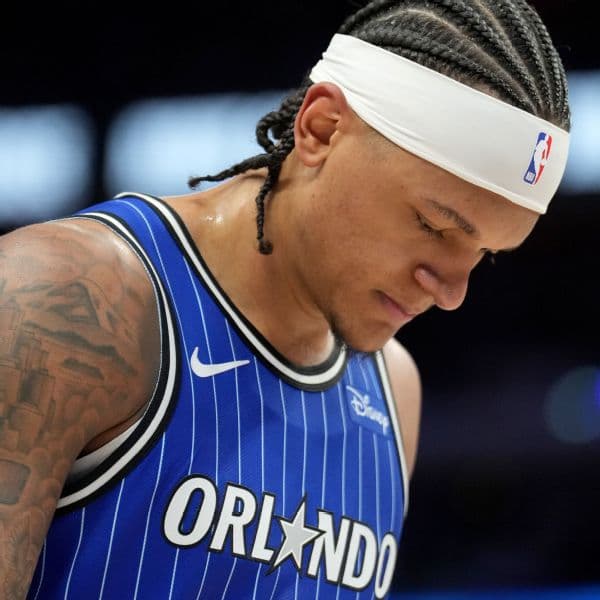
Further down the standings, the Orlando Magic and Miami Heat continue to fight for relevancy. The Magic have surprised many this year with their defensive identity, but their lack of veteran experience will be tested if their remaining schedule is front-loaded with desperate teams. The Heat, known for their ability to peak in April, often benefit from a schedule that allows them to find their rhythm before the postseason begins.
The Impact of the "Tanking" Factor in 2026
The concept of teams shifting focus to the draft is a perennial talking point, but its impact on the NBA playoff races is never more tangible than in the final 15 games of the season. When a playoff-bound team faces an opponent that is incentivized to prioritize lottery odds, the game often lacks the defensive intensity found in mid-January. This creates a "schedule win" scenario that can artificially inflate a contender's record.
Key Factors in Lopsided Matchups
- Roster Management: Contenders can limit the minutes of their primary stars if they build early leads against non-competitive teams.
- Statistical Anomalies: Players on bubble teams often see a spike in production when facing rebuilding defenses, which can shift momentum heading into the playoffs.
- Tiebreaker Scenarios: With the standings so tight, head-to-head records and conference records—often bolstered by wins against lower-tier teams—will decide who hosts Game 1.
Strategic Rest vs. Seeding Priority
As the NBA playoff races heat up, coaches are forced to make difficult decisions. Do you play your starters heavy minutes to secure the number two seed, or do you accept the number four seed to ensure everyone is healthy for the first round? The strength of the remaining schedule often makes this decision for them. If a team like the 76ers sees a stretch of games against teams at the bottom of the standings, they can effectively "schedule" rest for their stars while still expecting to pick up the wins.
Ultimately, the 2025-26 NBA season will be remembered for its parity and the rise of new powers like Detroit and Oklahoma City. With so many teams still in the hunt, the schedule isn't just a list of dates—it is the final hurdle that will determine who gets a chance at the Larry O'Brien Trophy and who goes home early.
Sources & Original Reporting