The first round of the NBA Playoffs 2026 has officially concluded, leaving basketball fans and analysts with a mountain of data to sift through. This wasn't your typical opening round; from seismic shifts in team hierarchies to the emergence of new tactical trends, the landscape of the league is shifting in real-time. As the remaining teams prepare for the conference semifinals, ESPN analyst Zach Kram has identified ten critical lessons that defined the first round and will likely dictate the outcome of the postseason and the upcoming offseason.
The Critical Importance of Bench Depth in the NBA Playoffs 2026
One of the most glaring takeaways from the opening round was the resurgence of the second unit. In a league often dominated by "stars-and-scrubs" roster construction, the NBA Playoffs 2026 have rewarded teams with legitimate depth. The Denver Nuggets and Oklahoma City Thunder both utilized deep rotations to maintain high-intensity defense while their primary stars rested, a luxury that top-heavy teams found themselves lacking.
For teams like the Los Angeles Lakers, the lack of reliable production off the bench proved fatal. When the starters faced fatigue or foul trouble, the drop-off in execution was immediate. This trend suggests that the "superteam" era may be giving way to a more balanced approach to roster building, where the eighth and ninth men are just as vital as the third star.
Karl-Anthony Towns and the Timberwolves' Offensive Evolution
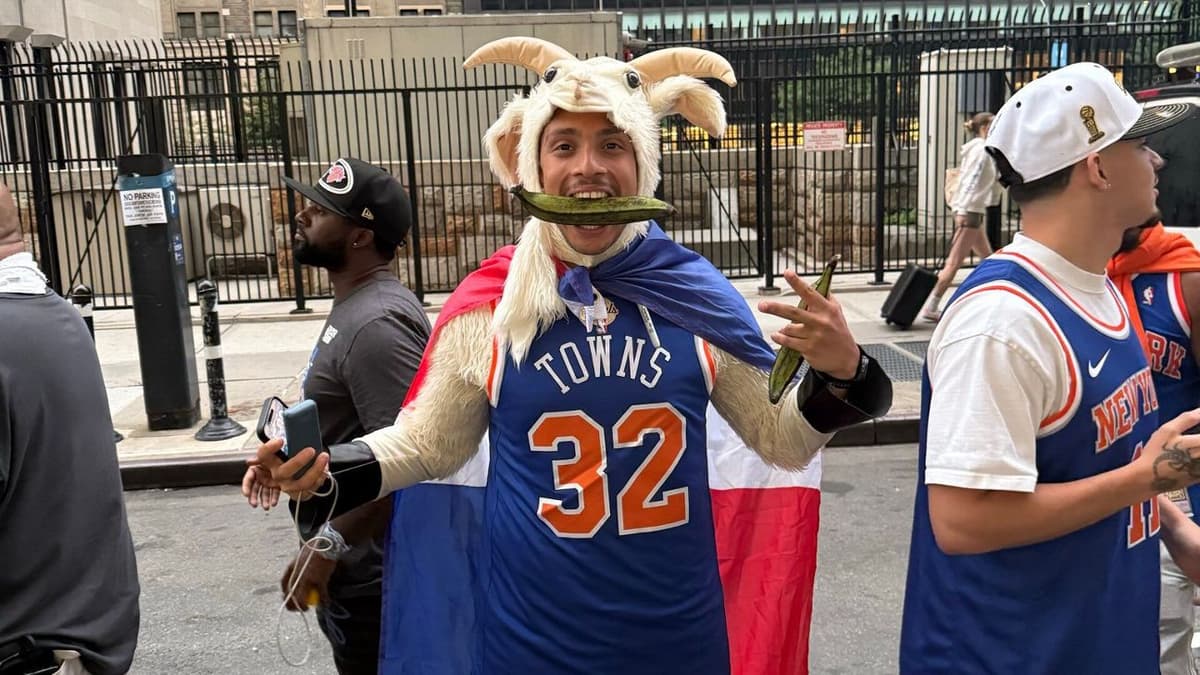
The Minnesota Timberwolves entered the postseason with questions about their offensive consistency, but Karl-Anthony Towns (KAT) provided a definitive answer. Kram notes that KAT has shifted his approach, moving away from being a primary perimeter shooter to becoming a consistent force "on the attack." By putting pressure on the rim and drawing fouls, Towns has opened up the floor for his teammates, making the Timberwolves one of the most difficult covers in the Western Conference.
This aggressiveness has transformed Minnesota's identity. Instead of settling for contested jumpers, the Wolves are forcing opposing big men into difficult decisions, a strategy that will be put to the test in the semifinals against more disciplined defensive units.
The Rising Power of the San Antonio Spurs and Oklahoma City Thunder
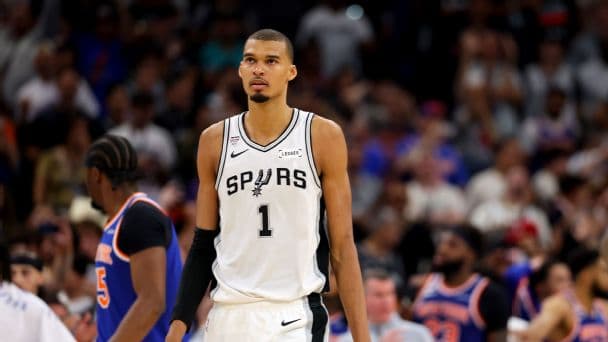
The San Antonio Spurs made their presence felt in a way few expected this early in their developmental cycle. Led by the defensive gravity of Victor Wembanyama, the Spurs proved they are no longer just a "team of the future"—they are a problem in the present. Their ability to disrupt passing lanes and protect the paint forced veteran opponents into uncharacteristic turnovers.
Meanwhile, the Oklahoma City Thunder demonstrated that their youth is no longer a liability. Their execution in clutch moments during Round 1 was among the best in the league. The Thunder's blend of high-IQ playmaking and versatile wing defenders has positioned them as a legitimate threat to reach the Finals, debunking the myth that a team needs a decade of playoff scars before they can compete for a title.
Defensive Grinds and Eastern Conference Dynamics
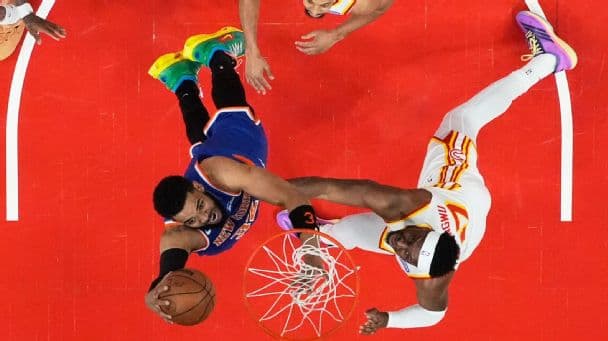
In the Eastern Conference, the series between the New York Knicks and Philadelphia 76ers served as a reminder of the value of physicality. The Knicks' rebounding dominance and the 76ers' reliance on star power created a clash of styles that highlighted the importance of interior presence. Additionally, the Orlando Magic established themselves as a premier defensive unit, using their length to stifle opponents and keep games low-scoring.
These lessons from the East suggest that the semifinals will be won in the trenches. Teams that cannot secure defensive rebounds or handle high-pressure on-ball defense will find it nearly impossible to advance past the physical hurdles presented by the Knicks and Magic.
Offseason Implications for the Lakers and Detroit Pistons
The fallout from Round 1 extends beyond the active brackets. For the Detroit Pistons and the Los Angeles Lakers, the early exits have triggered immediate questions about their future directions. The Pistons, while showing flashes of growth, clearly lack the veteran leadership needed to navigate playoff pressure. Their offseason will likely focus on acquiring high-level role players who can provide stability to their young core.
For the Lakers, the questions are more existential. With a roster built around aging stars, the lack of depth exposed in the first round may force a radical rethink of their strategy. Whether through trades or a shift in coaching philosophy, the lessons learned in the NBA Playoffs 2026 first round will undoubtedly shape the transactions of the coming months.
- Bench Depth: Essential for maintaining leads and managing star fatigue.
- Aggressive KAT: A new offensive blueprint for Minnesota.
- Youth Movement: Spurs and Thunder are ahead of schedule.
- Physicality: The Knicks and Magic are defining the Eastern Conference style.
- Offseason Pressure: Detroit and LA face a summer of difficult decisions.
Sources & Original Reporting