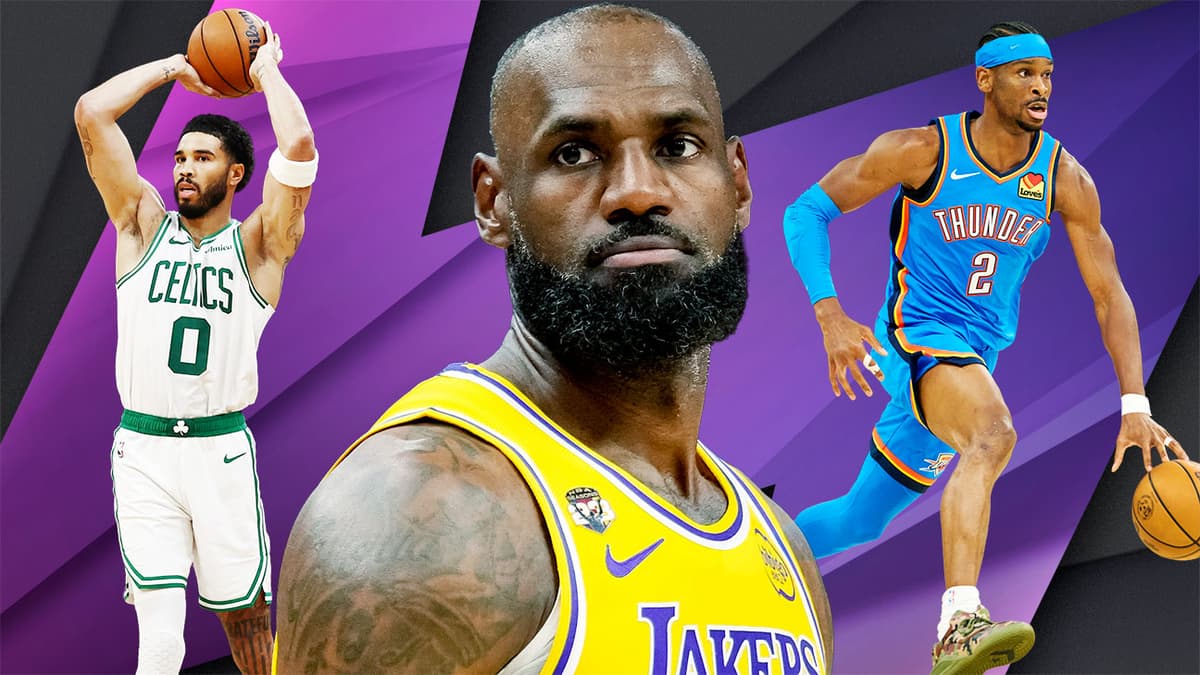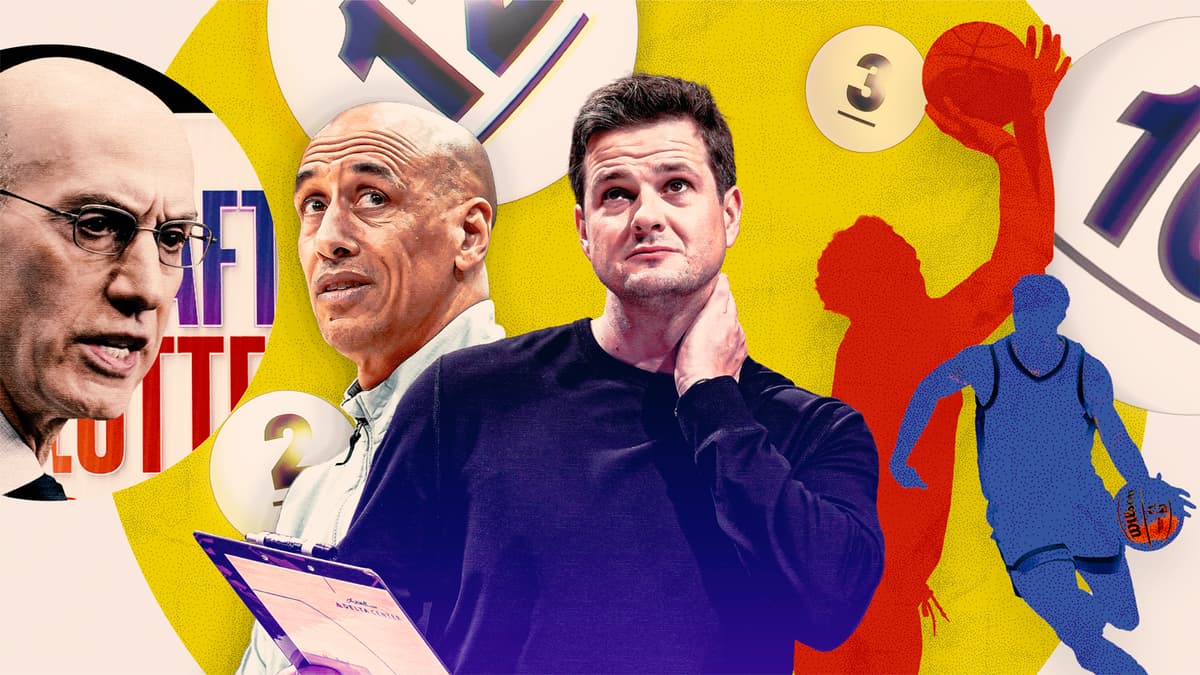
The NBA has a "race to the bottom" problem that refuses to go away. While the league office under Commissioner Adam Silver has implemented various measures to curb the incentive for losing, NBA tanking remains a polarizing yet effective strategy for roster construction. From the audacious asset accumulation of the Oklahoma City Thunder to the strategic pivots of the Utah Jazz, the league is currently grappling with how to maintain competitive integrity while teams eye generational talents at the top of the draft board.
The Evolution of NBA Tanking Strategies
Tanking is no longer just about putting a sub-par product on the floor; it has evolved into a high-level executive science. What used to be a simple matter of "playing the kids" has transformed into a sophisticated blend of roster management, strategic veteran trades, and long-term asset collection. For many franchises, the math is simple: in a league driven by superstars, the most reliable way to acquire one is through a high draft pick.
The Oklahoma City Thunder have often been cited as the modern blueprint for this approach. By trading established stars for a historic haul of draft picks, they created a runway for a rebuild that has eventually led them back to the top of the Western Conference. However, the path to success through losing is fraught with risk, as the Washington Wizards and other struggling franchises have discovered. When a team enters a cycle of losing, the psychological toll on the organization can be difficult to reverse.
Executive Perspectives: The Mathematical Necessity of Losing
From the front office perspective, the NBA tanking debate is often viewed through the lens of pragmatism. Executives argue that for small-market teams or those stuck in the "middle" of the standings—too good for a high pick but not good enough for a deep playoff run—tanking is the only logical exit strategy. The Utah Jazz provided a recent example of this by moving on from their All-Star duo of Rudy Gobert and Donovan Mitchell to reset their timeline and gather draft assets.
Executives often point to the current CBA and the "second apron" luxury tax rules as factors that make it harder to build through free agency. This leaves the draft as the primary engine for growth. As one executive noted, the pressure to find a "generational" talent often outweighs the short-term embarrassment of a 20-win season. The goal is to avoid the "treadmill of mediocrity" at all costs, even if it means alienating a portion of the fanbase for a few seasons.
The Human Cost: Impact on Coaches and Players
While executives look at spreadsheets, coaches and players are the ones who have to endure the daily reality of a losing season. For veterans on teams like the Golden State Warriors or Memphis Grizzlies, the idea of tanking is often antithetical to their professional DNA. Players are inherently competitive, and being asked to participate in a season where winning is not the primary objective can lead to frustration and a breakdown in locker room culture.
Coaches face a different set of challenges. A coach tasked with a rebuilding roster must balance the development of young players with the need to keep the team competitive enough to maintain professional habits. The Sacramento Kings, who famously broke a long playoff drought recently, serve as a reminder of how difficult it is to transition from a losing culture to a winning one. When a team spends too long at the bottom, the "losing stench" can become hard to wash off, making it difficult to attract free agents or convince young stars to stay long-term.
League Solutions and the Search for Competitive Balance
Commissioner Adam Silver has not been shy about his distaste for blatant tanking. The league has already taken several steps to mitigate the issue, including:
- Flattening the Lottery Odds: The teams with the three worst records now have an equal 14% chance at the No. 1 pick, reducing the incentive to finish with the absolute worst record.
- The Play-In Tournament: By giving the 9th and 10th seeds a chance at the playoffs, the league has successfully kept more teams "in the hunt" later into the season.
- Increased Scrutiny on Injury Reporting: The league has stepped up its monitoring of how teams sit healthy players toward the end of the season.
Despite these changes, the allure of a top prospect remains high. As long as the draft remains the most efficient way to acquire elite talent, the NBA tanking dilemma will persist. The league continues to weigh more radical solutions, such as a "tournament" for draft picks or a hard cap, but for now, the delicate balance between hope for the future and competitive integrity remains the NBA's most difficult puzzle to solve.
Sources & Original Reporting