Every February, as the playoff race intensifies for the league's elite, a different kind of competition begins at the bottom of the standings. This “race to the bottom” has long been a thorn in the side of league officials and fans alike, highlighting a persistent NBA tanking problem that undermines the competitive integrity of the regular season. Despite previous attempts to flatten lottery odds, the incentive to lose remains high, especially with generational talents frequently appearing at the top of the draft boards.
The Persistent NBA Tanking Problem
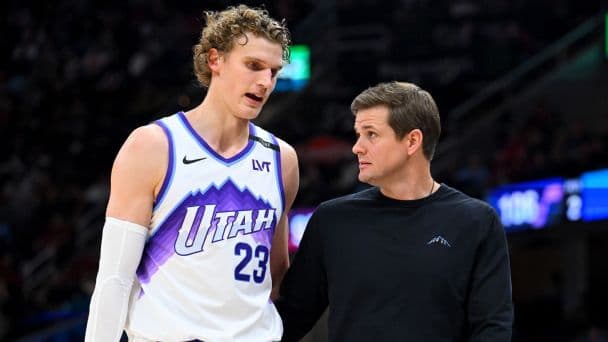
The current draft lottery system was designed to discourage teams from intentionally losing, but it has only partially succeeded. While the three worst teams now share equal 14% odds for the number one pick, the NBA tanking problem persists because being in that bottom tier is still far more valuable than finishing as a mediocre “middle-of-the-pack” team. Currently, teams like the Utah Jazz and Washington Wizards find themselves in positions where winning games late in the season could actively harm their long-term rebuilding efforts.
When teams prioritize draft position over on-court performance, the quality of the product suffers. Fans who pay premium prices for tickets often find themselves watching rosters stripped of veteran talent, as front offices prioritize “player development”—a common euphemism for fielding uncompetitive lineups. To fix this, the league needs a structural change that aligns the goals of the front office with the natural competitive instincts of the players and coaches.
The Proposal: Counting Wins for Draft Position
The most compelling solution currently being discussed involves a radical shift in how draft order is determined: counting wins. Specifically, the proposal suggests that draft lottery odds should be based on the number of wins a team accumulates after they are mathematically eliminated from playoff contention, or alternatively, counting all wins earned after the All-Star break for non-playoff teams.
Under this model, the NBA tanking problem is addressed by turning the end of the season into a secondary tournament. Instead of a race to the bottom, the teams outside the playoff picture would engage in a “race to the top” of the lottery standings. The team that wins the most games during this designated period would earn the highest probability of securing the number one overall pick. This ensures that every game remains meaningful, even for teams that have no hope of making the postseason.
Incentivizing Competition in the 2026 Draft Cycle
The urgency for such a reform is growing as the league looks toward the 2026 NBA Draft, which is projected to be one of the most talented classes in recent memory. Without a change to the system, the 2025-26 season could see an unprecedented level of tanking as teams vie for the top spot. By implementing a win-based lottery system, the NBA could ensure that the Utah Jazz, Washington Wizards, and other rebuilding franchises remain competitive throughout the entire 82-game schedule.
This system would also change the trade deadline dynamics. Currently, teams often sell off productive players to ensure they don't “accidentally” win too many games in March and April. If wins equated to better draft odds, those same teams might be incentivized to keep their veterans or even act as buyers to bolster their chances of winning the “lottery race.”
Impact on League Parity and Fan Engagement
Critics of the proposal often point to the potential for a “rich get richer” scenario. For example, a team like the Indiana Pacers or Dallas Mavericks might experience an injury-plagued season that keeps them out of the playoffs, but their superior talent would allow them to rack up wins late in the year and steal a top pick from a truly talent-depleted roster. However, proponents argue that the current system already fails to perfectly distribute talent, and the benefit of having competitive games league-wide outweighs the risk of a slightly better team moving up a few spots.
Furthermore, this change would significantly boost fan engagement. Imagine a Tuesday night game in April between two bottom-tier teams. Under the current system, fans of both teams are often rooting for their own team to lose. Under the “counting wins” model, that game becomes a high-stakes battle for draft positioning. It creates a narrative where winning is always the goal, protecting the league's brand and keeping viewers tuned in regardless of where their team sits in the standings.
The Path Forward for Adam Silver
NBA Commissioner Adam Silver has never been afraid to experiment with the league's format, as evidenced by the introduction of the Play-In Tournament and the In-Season Tournament. Solving the NBA tanking problem is likely the next major item on the league's agenda. While the transition would require careful calibration—such as accounting for strength of schedule differences in the final months—the move toward rewarding wins rather than losses is a logical evolution for a league that prides itself on competition.
As the NBA approaches its next collective bargaining discussions and media rights deals, ensuring that every game on the calendar has value is paramount. Moving to a system where wins determine draft odds wouldn't just fix a loophole; it would fundamentally restore the competitive spirit of the NBA's regular season.
Sources & Original Reporting