The landscape of NBA awards and contract incentives is facing a major challenge from within. The National Basketball Players Association (NBPA) has officially called for the league to amend or reconsider the NBA 65-game rule, citing the specific case of Detroit Pistons star Cade Cunningham as a primary example of the policy's unintended consequences. As the league approaches the end of the regular season, the debate over player eligibility for postseason honors has reached a boiling point.
The Catalyst: Cade Cunningham’s Elite Season vs. Eligibility
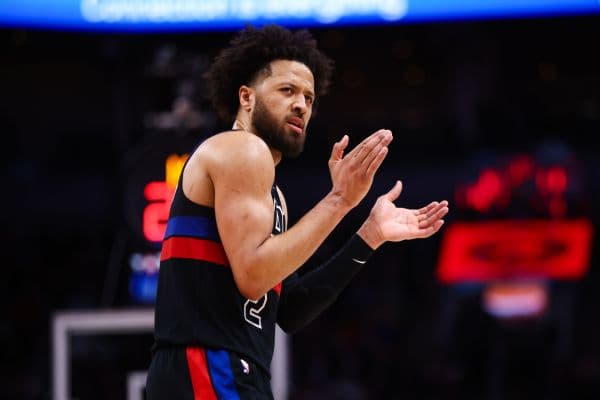
At the heart of the NBPA's argument is Detroit Pistons guard Cade Cunningham. Cunningham has put together a career-best campaign, emerging as one of the most productive young playmakers in the league. However, due to a period of absence caused by injury, Cunningham is set to fall short of the 65-game threshold required to be eligible for All-NBA honors and other major end-of-season awards.
The NBPA argues that the current rule is far too rigid and fails to distinguish between intentional "load management" and legitimate, unavoidable injuries. In Cunningham's case, his performance on the court has been undeniable, yet he will be excluded from historical recognition and potential financial milestones because of a strictly numerical cutoff. The association believes that a player of Cunningham's caliber being left off All-NBA ballots is a disservice to the integrity of the awards themselves.
Understanding the NBA 65-Game Rule
Introduced as part of the latest Collective Bargaining Agreement (CBA), the NBA 65-game rule was designed to incentivize the league’s top stars to play more often. To be eligible for MVP, Defensive Player of the Year, or All-NBA teams, a player must participate in at least 65 games, playing a minimum of 20 minutes in each of those contests. There are narrow exceptions, but the barrier remains high.
The league's goal was to combat the trend of healthy scratches and rest days that had frustrated fans and broadcast partners. However, the NBPA contends that the rule has created a "participation trophy" environment in reverse, where availability is prioritized so heavily that it outweighs the actual quality of play. The union is now calling for at least an amendment that would allow for more nuance when a player suffers a significant, documented injury.
Financial Stakes and the Supermax Ripple Effect
The implications of the NBA 65-game rule extend far beyond trophies and plaques. For many players, All-NBA selections are the literal keys to massive contract escalators. Under the current CBA, certain "supermax" extensions—which can be worth tens of millions of dollars more than standard max deals—are only available to players who have made an All-NBA team in recent seasons.
- Contract Incentives: Many young stars have "Rose Rule" triggers in their rookie extensions that increase their salary from 25% to 30% of the cap if they make an All-NBA team.
- Legacy and Hall of Fame: Postseason honors are critical components of a player's Hall of Fame resume, and missing out due to a missed week of play can alter a player's historical standing.
- Player Health: The NBPA expresses concern that the rule may encourage players to return from injuries prematurely to hit the 65-game mark, potentially risking long-term physical damage.
Potential Amendments and the Path Forward
The NBPA is not necessarily asking for the total removal of the rule, but rather a more flexible framework. Proposed changes could include a lower game threshold (such as 58 or 60 games) or a "games played percentage" that accounts for shorter seasons or specific injury types. Another suggestion involves allowing a panel of medical experts to grant waivers for players who suffer legitimate, long-term injuries but still dominate the games in which they appear.
As the NBA and the NBPA continue their dialogue, the case of Cade Cunningham serves as a high-profile reminder of what is at stake. While the league wants to ensure its best players are on the floor, the players want to ensure that their hard work and elite production are not erased by the misfortune of a sprained ankle or a bruised knee.
Whether the league office will be open to mid-CBA adjustments remains to be seen, but with the NBPA taking a firm stance, the 65-game rule is guaranteed to be a primary talking point in the next round of labor negotiations.
Sources & Original Reporting