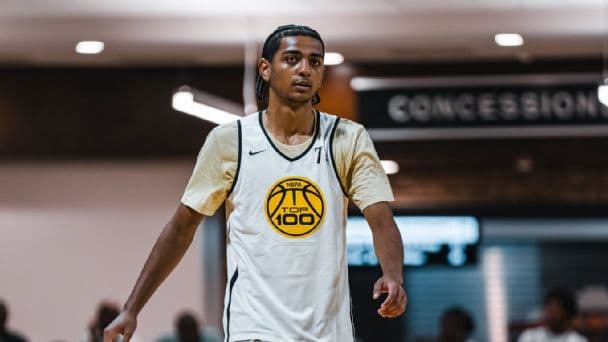
The prestigious NBPA Top 100 Camp has long served as the ultimate proving ground for the nation’s elite high school basketball talent. Traditionally, the camp was a place where the next generation of NBA stars showcased their skills to secure scholarship offers that promised immediate stardom. However, as the 2024 edition of the camp unfolded, a new and more complex reality began to set in for these young athletes. In an era defined by the transfer portal and Name, Image, and Likeness (NIL) deals, the recruiting pitch from major college programs has undergone a fundamental shift.
The Death of the Guaranteed Starting Role
For decades, a top-50 recruit could expect to walk onto a college campus and immediately be handed the keys to the offense. At this year's NBPA Top 100 Camp, it became clear that those days are largely over. With the transfer portal allowing coaches to fill roster holes with experienced 22-year-old veterans, high school recruits are no longer the only—or even the primary—solution for programs looking to win now.
College coaches from powerhouse programs such as the Kentucky Wildcats, Duke Blue Devils, and UConn Huskies are increasingly transparent with recruits. The message is no longer about guaranteed minutes or high-volume shooting; instead, it is about competing for a spot in a rotation that likely includes seasoned transfers. This "new reality" forces high school players to weigh the prestige of a blue-blood program against the potential for more immediate playing time at mid-major or developing programs.
A New Recruiting Pitch: Development and Winning
As the transfer portal creates a more transient environment in college sports, coaches are pivoting their recruitment strategies. At the NBPA Top 100 Camp, players reported that coaches from schools like the Michigan Wolverines, Miami Hurricanes, and Arkansas Razorbacks are now emphasizing long-term development and specific roles over immediate star status. The focus has shifted to how a player’s skill set fits into a specific system and how that system can prepare them for the professional level.
Coaches are now selling a vision of "winning culture" and "professional preparation." For a recruit considering the Virginia Cavaliers or Ohio State Buckeyes, the conversation is less about how many points they will score as a freshman and more about how they will defend, rebound, and contribute to a winning environment that scouts from the NBA will value.
Competing with the Portal: The Age Gap
One of the most significant challenges discussed at the NBPA Top 100 Camp is the physical and mental gap between 18-year-old freshmen and 23-year-old fifth-year seniors. Programs like the LSU Tigers, Texas A&M Aggies, and Auburn Tigers have utilized the portal to build older, more physically mature rosters. This trend has forced high school recruits to realize that they are no longer just competing against their peers; they are competing against grown men with years of collegiate experience.
- Physicality: High school players must now prioritize strength and conditioning earlier to survive the rigors of a veteran-heavy NCAA.
- Mental Maturity: Coaches are looking for recruits who can handle the pressure of a "win-now" atmosphere created by the portal.
- Roster Volatility: Recruits must be comfortable with the fact that their teammates could change drastically from year to year.
Navigating the Future of the NBA Pipeline
Despite the hurdles presented by the transfer portal, the NBPA Top 100 Camp remains a vital stepping stone. Players are becoming more business-minded, asking deeper questions about roster construction and how coaches plan to balance high school signees with incoming transfers. Schools like the USC Trojans, Arizona State Sun Devils, and Florida State University are finding that the most successful recruits are those who embrace the competition rather than shy away from it.
The landscape of college basketball recruitment has changed permanently. The NBPA Top 100 Camp served as a wake-up call for many: the path to the NBA still exists, but it now requires a level of patience, adaptability, and competitive fire that the previous generation of recruits rarely had to consider. As the cycle continues, the ability to navigate this "new reality" will separate the future stars from those who get lost in the shuffle of the portal era.
Sources & Original Reporting