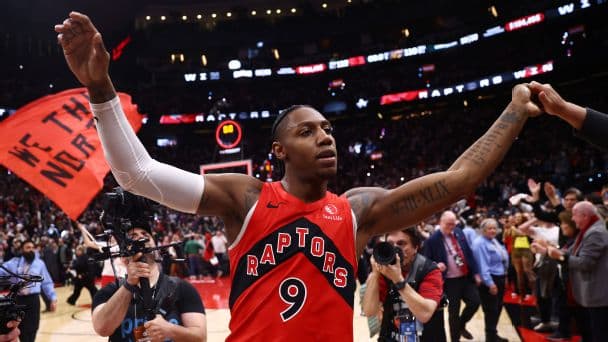
The Los Angeles Lakers rookie and son of the legendary LeBron James, Bronny James, is finding that the road to building a global brand is paved with legal complexities. In a recent development that has caught the attention of both sports fans and legal analysts, Nike’s trademark filing for the Bronny James B9 logo has been officially denied by the United States Patent and Trademark Office (USPTO).
The refusal, which surfaced earlier this week, hinges on a technical but significant legal standard: the "likelihood of confusion." According to the USPTO, the proposed "B9" mark is too similar to a trademark that is already registered. This decision stops the current momentum of Nike’s branding efforts for the young guard, at least in its current iteration, and forces the apparel giant to reconsider its strategy for one of its most high-profile young athletes.
Understanding the USPTO’s Refusal of the Bronny James B9 Logo
When Nike filed the application for the Bronny James B9 logo, the intent was clear: to create a recognizable shorthand for Bronny’s brand as he embarks on his professional career. The "B" represents his name, while the "9" corresponds to the jersey number he currently wears for the Los Angeles Lakers. However, the USPTO issued a non-final office action stating that the mark cannot be registered because it closely resembles an existing trademark.
The "likelihood of confusion" standard is the most common reason for trademark refusals. It occurs when a proposed mark is so similar to a previously registered mark that consumers might mistakenly believe the goods or services come from the same source. In the world of high-stakes athletic apparel, where logos are the primary drivers of consumer recognition, the USPTO maintains a strict threshold to protect existing intellectual property.
The Significance of Nike’s Investment in Bronny James
Bronny James signed a Name, Image, and Likeness (NIL) deal with Nike back in 2022 while he was still a standout at Sierra Canyon High School. This partnership was viewed as a natural extension of the long-standing relationship between Nike and his father, LeBron James, who signed a lifetime deal with the company in 2015. Nike’s move to secure the "B9" mark was a strategic step toward launching a dedicated product line, similar to the iconic "LJ" and "King James" branding seen over the last two decades.
The denial of the Bronny James B9 logo represents a rare hurdle for Nike’s legal team. Typically, major corporations conduct extensive trademark searches before filing to avoid such conflicts. The refusal suggests that another entity—potentially outside of the immediate basketball sphere but within a related commercial class—already holds the rights to a "B9" identifier that the USPTO deems too similar in appearance, sound, or commercial impression.
What Happens Next for Nike and the Lakers Guard?
While the trademark denial is a setback, it is not necessarily the end of the road for the "B9" branding. Nike has several options to move forward:
- Legal Argument: Nike’s attorneys can file a response to the USPTO arguing that the marks are sufficiently distinct or that the goods offered under the marks target different consumer bases.
- Consent Agreements: Nike could potentially reach out to the owner of the existing "B9" mark and negotiate a consent agreement, where the other party agrees to Nike’s use of the logo in exchange for compensation or specific limitations.
- Rebranding: If the legal hurdles are too high, Nike may choose to abandon the "B9" concept altogether and design a new logo that avoids any potential confusion with existing trademarks.
For Bronny James, this legal news comes during a season where his every move on and off the court is under a microscope. As he splits time between the Lakers' main roster and their G League affiliate, the South Bay Lakers, the development of his off-court brand remains a priority for his management team at Klutch Sports.
The Impact on Athlete Branding in the NBA
The case of the Bronny James B9 logo highlights the increasing difficulty of securing short, alphanumeric trademarks in a crowded global marketplace. As more athletes seek to capitalize on their personal brands early in their careers, the availability of simple combinations like a letter and a number is rapidly shrinking.
For now, fans looking for official Bronny James merchandise will have to wait and see how Nike navigates this regulatory roadblock. Whether through a legal victory or a complete creative pivot, the "B9" saga serves as a reminder that even the biggest names in sports must play by the rules of the USPTO.
Sources & Original Reporting