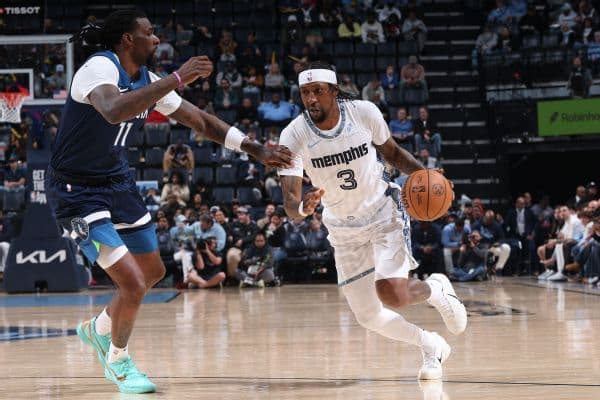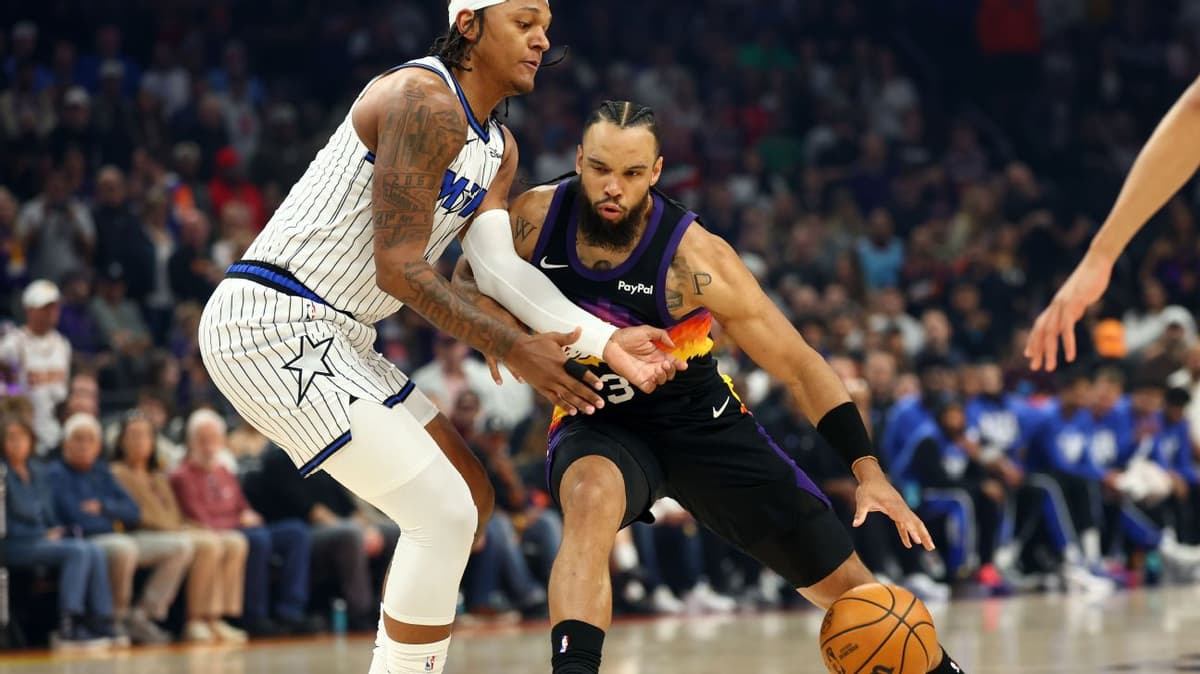
The Phoenix Suns’ push for a top seed in the Western Conference has hit a significant snag as the calendar turns toward the final stretch of the 2025-26 season. In a campaign defined by high stakes and championship aspirations, the team must now navigate a month-long stretch without one of their primary defensive catalysts. According to a recent Dillon Brooks injury update, the veteran guard is expected to miss a substantial amount of time as he recovers from a serious hand injury suffered during a pivotal point in the schedule.
According to sources speaking to ESPN’s Shams Charania, Dillon Brooks will be sidelined for four to six weeks. The injury, diagnosed as a broken left hand, represents a major blow to a Phoenix rotation that has relied heavily on Brooks’ perimeter defense and veteran intensity. As the Suns fight for positioning in an incredibly crowded Western Conference, the loss of their primary defensive specialist forces head coach Jordan Ott to rethink his rotational strategies during the most critical stretch of the regular season. This Dillon Brooks injury update comes at a time when the Suns were finally looking to solidify their defensive identity heading into the postseason.
The Recovery Timeline: When Will Brooks Return?
The Dillon Brooks injury update confirms that the break occurred in his non-shooting hand, which may offer some silver lining regarding his eventual return to offensive rhythm. However, a four-to-six-week recovery window for a broken hand is standard for NBA athletes, allowing the bone to properly calcify before the player returns to the high-impact environment of professional basketball.
Surgical Considerations and Bone Healing
While the team has not yet specified if surgery is required, a six-week timeline often suggests a more conservative approach or a clean break that requires significant immobilization. For a player like Brooks, whose game is predicated on physicality, reaching, and "poking" at the ball, ensuring 100% structural integrity in the hand is paramount. If Brooks follows the four-week minimum timeline, he could return to the court by late March. However, if the recovery leans toward the six-week mark, the Suns may not see him back in the starting lineup until the final week of the regular season in early April.
Rhythm Before the Playoffs
This timeline is particularly concerning given the importance of chemistry heading into the postseason. The Suns medical staff will likely monitor the healing process closely, as hand injuries for perimeter defenders can be particularly tricky. Brooks will need to maintain his conditioning while his hand is immobilized to ensure that when he is cleared for contact, his transition back to game speed is as seamless as possible.
Defensive Void: Replacing the Enforcer
Losing Dillon Brooks isn't just about losing a body in the rotation; it is about losing a specific identity. Brooks has established himself as one of the league’s premier "pests," often taking on the assignment of guarding the opponent’s best scoring threat. Without his presence on the wing, the Suns’ defensive rating is expected to face a stern test.
Point-of-Attack Pressure
Brooks is often tasked with full-court pressure, disrupting the flow of opposing offenses before they even cross half-court. Under Coach Jordan Ott, the Suns have utilized Brooks to set the tone early in games. His ability to navigate screens and use his strength against larger wings is a luxury few other guards on the roster provide. Without him, the Suns lose that initial layer of resistance that often forces opponents into late-clock situations.
The Emotional Impact
Beyond the stats, Brooks’ vocal nature and aggressive style often set the tone for the rest of the Phoenix roster. He provides an emotional edge that the Suns have lacked in previous seasons. Filling that leadership void will be just as difficult as replacing his 1.5 steals per game. The Suns will need to rely more on collective team defense rather than individual lockdown assignments over the next month and a half.
Rotational Adjustments and Injury Concerns
The timing of this injury is made even more complicated by the current health of the Phoenix backcourt. Coach Ott is already dealing with a depleted bench, making the Brooks absence even more glaring as the team looks for internal solutions.
The Grayson Allen Factor
In a typical scenario, Grayson Allen would be the primary candidate to see an uptick in minutes to provide elite floor spacing. However, Allen is currently sidelined with his own lower-body injuries (ankle/knee), which complicates the Suns' depth chart. Until Allen returns to full health, the Suns will be forced to dig deep into their bench. Once Allen is back, he will provide a necessary offensive boost, though he does not offer the same level of defensive versatility that Brooks brings to the starting unit.
Emerging Opportunities for Okogie and O'Neale
With Brooks out, the defensive burden will shift heavily toward Josh Okogie and Royce O’Neale. Okogie provides the high-energy defense needed to replicate Brooks' motor, while O'Neale offers the veteran savvy and catch-and-shoot ability required to keep the floor spaced for the Suns' stars. Coach Ott may also experiment with "small-ball" lineups more frequently, utilizing more versatile wing combinations to hide the lack of a true point-of-attack stopper.
Looking Ahead: Navigating the Western Conference
The Western Conference standings in late February 2026 remain razor-thin. A three-game losing streak can mean the difference between a top-four seed and the Play-In Tournament. Phoenix will have to navigate several matchups against playoff-caliber teams without their best wing defender, testing the tactical flexibility of Jordan Ott in his first full season at the helm.
The goal for the Suns will be to maintain a .500 record or better during Brooks’ absence. If they can stay afloat while he heals, his return in April could provide a fresh-legged defensive boost just in time for the first round of the playoffs. For now, the focus remains on the recovery process and the next-man-up mentality that defines championship contenders. Fans and analysts alike will be watching closely to see how the Suns respond to this latest test of their depth and resilience.
Sources & Original Reporting