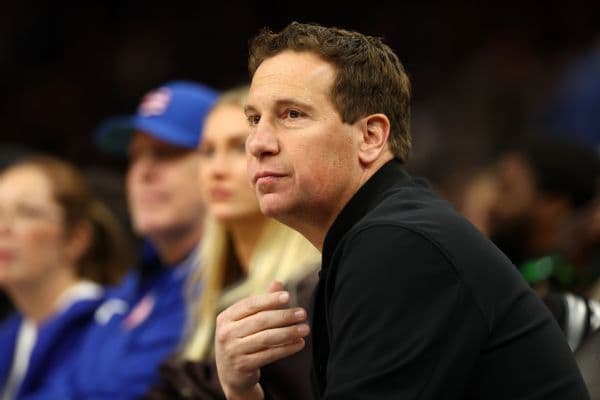
The Phoenix Suns have been no stranger to headlines since the transition of power in 2023, but the latest news involves the boardroom rather than the hardwood. A significant development in the Phoenix Suns ownership dispute has emerged, as majority owner Mat Ishbia and two minority owners are officially heading to confidential binding mediation. This process is expected to resolve a long-standing disagreement regarding the future of a substantial portion of the franchise.
The Path to Binding Mediation
The Phoenix Suns ownership dispute centers on a 13% stake in the team currently held by minority owners Francis Najafi and Jahm Najafi of the Najafi Companies. According to reports, the parties have agreed to enter into a confidential binding mediation process. This legal avenue is designed to reach a final, enforceable resolution without the public spectacle of a traditional courtroom trial.
The mediation is particularly noteworthy because of its binding nature. Unlike standard mediation, where parties attempt to reach a voluntary agreement, binding mediation ensures that the mediator's decision will be final. This move suggests that both Ishbia and the Najafi brothers are looking for a definitive end to the friction that has existed behind the scenes since Ishbia took control of the team.
Potential Buyout of the 13% Stake
At the heart of the conflict is the potential for Mat Ishbia to buy out the minority owners. If the mediation concludes with a buyout, Ishbia would acquire the 13% stake currently held by the Najafi brothers. This would further consolidate Ishbia's control over the Phoenix Suns and the Phoenix Mercury, the WNBA counterpart included in the original $4 billion valuation of the franchise.
The 13% stake is a significant piece of the organizational puzzle. When Ishbia purchased the team from Robert Sarver, the deal was valued at a record-breaking $4 billion. At that valuation, a 13% stake represents roughly $520 million, though the actual market value of NBA franchises has continued to climb, potentially making the stake worth even more today. The mediation will likely focus on the fair market valuation and the terms under which Ishbia could exercise a buyout.
Background of the Ownership Tension
The tension between the majority and minority stakeholders isn't entirely new. Jahm Najafi previously served as the vice chairman of the Suns and was a vocal critic of former owner Robert Sarver during the investigation into workplace misconduct. When Ishbia took over, the organizational structure shifted significantly. While Ishbia has been aggressive in his pursuit of a championship—trading for superstars like Kevin Durant and Bradley Beal—the internal dynamics with the existing minority partners have remained complicated.
Strategic differences often arise when a new majority owner takes the reins with a different financial philosophy. Ishbia has shown a willingness to spend deep into the NBA’s luxury tax to build a contender, a move that impacts all shareholders. The resolution of this Phoenix Suns ownership dispute through mediation would allow the franchise to move forward with a unified vision, regardless of whether the Najafis remain part of the group or are bought out entirely.
What This Means for the Phoenix Suns
For fans and players, the direct impact of this mediation may be minimal in the short term, but it provides long-term clarity for the organization's business operations. Ownership stability is a critical component of successful NBA franchises. By moving to settle this dispute, the Suns are looking to clear any legal or financial hurdles that could distract from the team's primary goal: winning a championship.
- Financial Consolidation: A buyout would give Ishbia nearly total autonomy over financial decisions without needing to consult minority partners on specific capital calls.
- Confidentiality: Because the mediation is confidential, the specific grievances and financial details will remain out of the public record, protecting the brand's reputation.
- Binding Result: There will be no lengthy appeals process, meaning the resolution reached in mediation will be the final word on the matter.
As the mediation proceeds, the NBA league office will likely keep a close eye on the results. While the league generally prefers ownership groups to settle disputes internally, the transition of such a large percentage of equity requires administrative oversight to ensure compliance with league bylaws.
The Ishbia Era Continues to Evolve
Since officially taking over in February 2023, Mat Ishbia has been one of the most active owners in professional sports. From revamping the roster to securing a new television deal that made games available on local broadcast stations, his tenure has been marked by rapid change. Resolving the Phoenix Suns ownership dispute appears to be the next step in his plan to streamline the organization under his specific leadership style.
Whether the Najafi brothers exit the ownership group or a new arrangement is reached, the conclusion of this mediation will mark the end of the Sarver-era holdovers in the primary ownership structure. For the Phoenix Suns, the focus remains on the court, but the resolution in the boardroom will dictate the franchise's financial trajectory for years to come.
Sources & Original Reporting