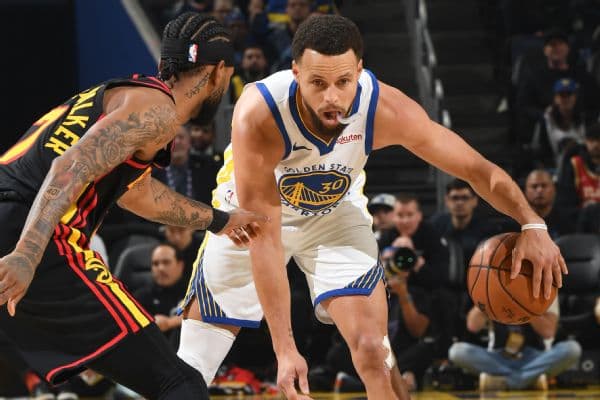
The Golden State Warriors are preparing for a pivotal stretch in their season as they navigate the temporary absence of their franchise cornerstone. According to the latest reports regarding the Stephen Curry knee injury, the two-time MVP is making significant strides in his recovery, though fans will have to wait a few more days before seeing him back in uniform. The Warriors officially announced that while Curry will miss the team's next two contests, he is clearing the necessary hurdles to return to high-intensity basketball activities.
Progress in the Recovery Process
The update on the Stephen Curry knee injury brings a mix of caution and optimism for the Golden State faithful. The team has confirmed that Curry has been ruled out for the upcoming two-game slate, ensuring he has ample time to strengthen the joint before returning to the floor. However, the most encouraging news involves his transition to the final stages of the NBA’s return-to-play protocol.
Warriors officials noted that the plan is to incorporate Stephen Curry into live contact practices within the coming days. In the world of professional basketball, moving from individual shooting drills and cardiovascular conditioning to live contact is the definitive indicator that a player is on the verge of a return. This phase allows the medical staff to evaluate how the knee responds to the unpredictable lateral movements, sudden stops, and physical jostling inherent in a standard NBA game.
Navigating the Schedule Without the Chef
With Curry sidelined for the next two games, the Golden State Warriors will need to rely heavily on their depth and veteran leadership. The absence of the league’s all-time leader in three-pointers made always creates a massive vacuum in the Warriors' offensive scheme. Opposing defenses typically focus their entire game plan on containing Curry’s gravity, and without him, the floor spacing changes dramatically for players like Draymond Green and Andrew Wiggins.
During this brief period without their lead guard, the Warriors will look to their bench and secondary playmakers to bridge the gap. The coaching staff has historically utilized these stretches to evaluate younger talent, but in a competitive Western Conference, every game carries significant weight for playoff positioning. The decision to rule him out for two games suggests a calculated approach by the organization to prioritize long-term health over short-term gains.
The Significance of Live Contact Practice
For a player like Stephen Curry, whose game is predicated on constant motion, elite conditioning, and the ability to create space through intricate footwork, the knee's stability is paramount. The "live contact" phase of practice is not just about testing the injury itself, but about rebuilding the rhythmic timing that defines Curry's playstyle.
The Warriors' medical team has been notoriously diligent with player recoveries, often opting for a conservative timeline to prevent re-injury. By scheduling live contact now, the team is signaling that the initial inflammation or structural concerns have subsided enough to warrant a full-speed test. If Curry clears these contact sessions without any setbacks or swelling, a return to the starting lineup could follow shortly after the two-game absence concludes.
Looking Ahead for Golden State
While the Warriors have shown resilience in the past, there is no denying that they are a different team when number 30 is on the court. As the team gears up for the final push of the regular season, getting a healthy Curry back is their top priority. The upcoming practices will be the ultimate litmus test for his readiness.
Followers of the team should keep a close eye on the post-practice reports over the next 48 to 72 hours. If Stephen Curry handles the live contact sessions successfully, the Warriors will likely provide a definitive return date, potentially stabilizing their rotation just in time for a crucial run of games against conference rivals.
- Player: Stephen Curry
- Injury Type: Knee
- Status: Out for next two games
- Next Step: Live contact practice
Sources & Original Reporting