As the 2026 NFL season approaches, fantasy football managers are once again scouring the wire for every bit of information that could give them a competitive edge. The most critical piece of that puzzle is health. To help you navigate the treacherous waters of draft season, Stephania Bell has released the comprehensive 2026 fantasy football injury report, providing essential updates on high-profile stars ranging from elite quarterbacks to game-changing tight ends.
Navigating the 2026 Fantasy Football Injury Report
Understanding the medical landscape is the difference between a championship run and a lost season. This year, several cornerstone players are entering training camp with significant question marks. The 2026 fantasy football injury report highlights the importance of monitoring recovery timelines for players who underwent offseason procedures or are returning from late-season ailments in 2025.
Stephania Bell’s analysis focuses on the functional mobility of skill position players. For quarterbacks, the focus remains on lower-body stability and throwing shoulder mechanics. For wide receivers and running backs, explosive movement and change-of-direction capabilities are the primary metrics for success. Drafting a player based on name value alone, without considering their recent medical history, is a risk that many savvy managers are no longer willing to take in the modern era of fantasy sports.
Quarterback Health: Monitoring the Elite Tier
The quarterback position remains the engine of any high-scoring fantasy roster. However, injury concerns at the top of the draft board are forcing managers to reconsider their early-round strategies. While the depth at the position is better than in years past, the health of the truly elite options remains a primary concern for those picking in the first three rounds.
Patrick Mahomes: Stability and Scrambling
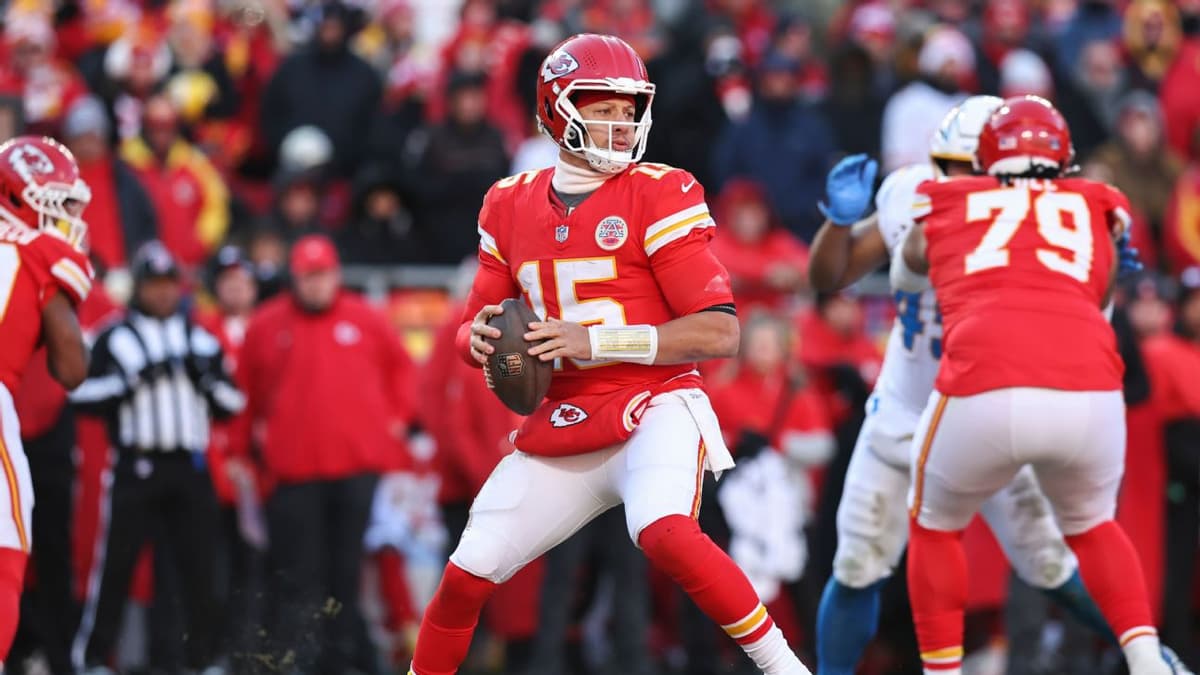
Patrick Mahomes remains the gold standard for fantasy quarterbacks, but even the elite are not immune to the physical toll of the NFL. According to the latest reports, Mahomes is being monitored closely as he prepares for the 2026 campaign. While he has shown incredible resilience throughout his career, any minor tweak to a quarterback of his caliber can shift the entire landscape of a fantasy league. Managers should pay close attention to Mahomes' mobility in the pocket during the preseason. His ability to extend plays is a significant part of his fantasy floor; if the medical data suggests any limitation in his scramble frequency, his draft stock might require a slight adjustment.
Wide Receiver Outlook: High-Upside Risks
In the current pass-heavy NFL, wide receivers often dominate the first round of fantasy drafts. This makes their health reports even more vital, as a missed game from a top-tier wideout can result in a massive weekly scoring deficit. The 2026 season features several young stars who are coming off productive but injury-stunted campaigns.
Malik Nabers: Managing the Explosive Upside
Perhaps no player is under a brighter microscope this draft season than Malik Nabers. As one of the most dynamic young playmakers in the league, Nabers is a frequent target in the early rounds of 2026 drafts. However, his inclusion in the 2026 fantasy football injury report suggests that managers need to be diligent. For a receiver whose game is built on suddenness and vertical speed, soft tissue health is paramount. Bell notes that the ramp-up period during training camp will be telling. If he can string together consecutive weeks of full participation without setbacks, he remains a top-tier WR1 candidate. Conversely, any lingering issues could make him a polarizing figure in draft rooms.
Tight End Status: The Final Piece of the Puzzle
The tight end position is often the most volatile in fantasy football. Identifying a healthy, consistent target-earner can provide a massive positional advantage. The source highlights that health updates for tight ends are just as critical as those for the flashier skill positions, as these players often deal with a unique blend of blocking and receiving-related injuries.
Mark Andrews: The Return to Reliability
Veteran Mark Andrews continues to be a focal point of the tight end discussion. Entering the 2026 season, Andrews' recovery from previous lower-body issues is a key storyline. For tight ends, the ability to find soft spots in the zone and maintain strength through the catch point is heavily dependent on base stability. Bell’s report suggests that Andrews has made significant strides in his lateral movement. If he enters the season at 100%, he provides a safety net that few other players at the position can match. Managers should watch for his participation in 11-on-11 drills as a sign that he is ready for a full workload.
Strategic Advice for Draft Day
When building your roster, the 2026 fantasy football injury report should serve as your secondary draft board. Integrating medical data into your valuation process allows you to find value where others see only risk, or avoid landmines that could derail your season before it begins.
The Tier-Based Safety Net
One of the most effective ways to manage injury risk is through tier-based drafting. If a player in Tier 1 has a significant medical red flag, consider reaching for a healthy player at the top of Tier 2 rather than hoping for a recovery. Availability is the most important ability in fantasy football. Additionally, always ensure you have a high-floor backup—often referred to as a "handcuff"—for any high-risk, high-reward player you draft. This strategy ensures that even if a star like Nabers misses time, your roster remains competitive.
Conclusion: Staying Informed
The 2026 season promises to be one of the most competitive in recent memory. With stars like Mahomes, Nabers, and Andrews headlining the injury news, staying informed is your best weapon. Always cross-reference your rankings with the latest medical insights to ensure your team is built on a solid foundation. Remember, a draft isn't won in the first round, but it can certainly be lost there if you ignore the medical red flags presented in the latest reports.
Sources & Original Reporting