With the calendar turning to April 2026, the scouting community has shifted its full attention toward the podium. The upcoming draft cycle is no longer a distant thought; it is the reality facing every front office looking for a franchise savior. While the talent pool is deep, the 2026 NFL Draft quarterbacks come with a unique set of red flags that have scouts working overtime. For quarterback-needy teams like the Las Vegas Raiders, New York Jets, and Cleveland Browns, identifying these collegiate flaws isn't just about due diligence—it’s about avoiding a multi-year setback.
The 2026 NFL Draft Quarterbacks: Pedigree vs. Performance
As we approach the draft, the evaluation of the 2026 NFL Draft quarterbacks has moved past physical measurables and into the granular details of game film. This class is defined by high-ceiling prospects who have shown flashes of brilliance but struggled with the consistency required at the professional level. Scouts are currently dissecting every turnover and missed read from the past season to determine which flaws are fixable and which are fundamental deal-breakers. In a league where the margin for error is razor-thin, these collegiate shortcomings will dictate which names are called in the first round and which slide into the middle rounds.
Ty Simpson: The Experience Gap at Alabama
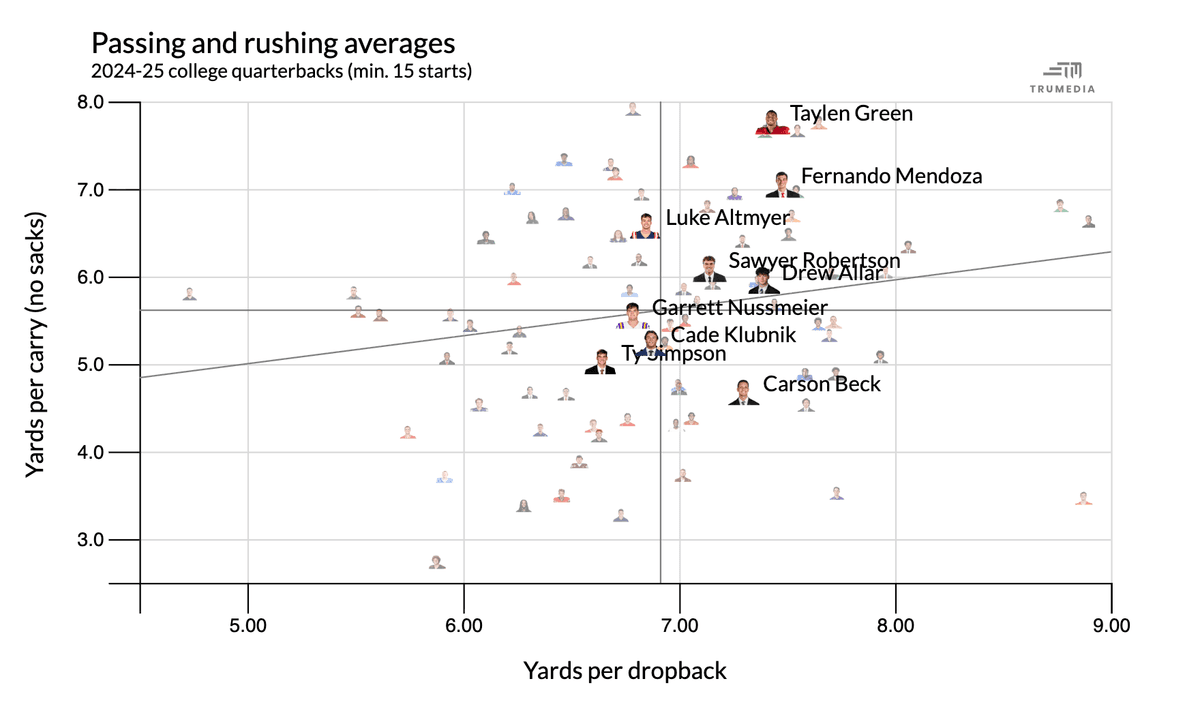
Ty Simpson of the Alabama Crimson Tide remains one of the most polarizing figures in this draft class. A former five-star recruit with undeniable arm talent, Simpson has spent his tenure at the University of Alabama under the brightest of spotlights. However, the primary concern for NFL evaluators is his processing speed under duress. Despite his physical tools, Simpson has occasionally struggled with his internal clock, leading to unnecessary sacks and forced throws when the pocket becomes muddy.
For a team like the Arizona Cardinals or the New York Jets, the question is whether Simpson can adapt to the lightning-fast defensive schemes of the NFL. His collegiate career showed that while he can make every throw on the route tree, his decision-making can become erratic when his primary read is taken away. Because he enters the draft now without the massive volume of career starts seen in other prospects, teams must decide if they are drafting a finished product or a high-upside project that needs a year on the bench.
Fernando Mendoza: The Consistency Conundrum at Cal
The rise of Fernando Mendoza at Cal has been one of the most compelling stories of the cycle, but his transition to the NFL is far from a sure thing. Mendoza has proven he can lead a high-powered offense, yet his biggest flaw remains a lack of down-to-down consistency. Evaluators have pointed to a "rollercoaster" tendency in his game—he is capable of delivering a 40-yard strike into a tight window on one play, only to follow it up with a head-scratching interception on the next.
NFL offensive coordinators prioritize ball security and rhythmic passing above all else. Mendoza’s tendency to play "hero ball" is a significant red flag for teams like the Cleveland Browns, who need a stabilizing force under center. Furthermore, his footwork in the pocket has been flagged as inconsistent, often leading to accuracy issues on intermediate crossing routes. If he cannot refine his mechanics and eliminate the high-variance mistakes, his draft stock could take a hit as teams opt for more "pro-ready" options.
Evaluating the Field: From the Hoosiers to the Bison
The depth of the 2026 class extends beyond the blue-blood programs, with prospects from the Indiana Hoosiers, Arkansas Razorbacks, and the North Dakota State Bison also under the microscope. Each of these players brings a different set of challenges for NFL scouts as they finalize their draft boards.
Level of Competition
For prospects coming out of North Dakota State University, the jump from the FCS to the NFL is a massive hurdle. The lack of exposure to elite, NFL-caliber pass rushes makes it difficult to project how they will handle a professional pocket. While the physical traits may be present, the speed of the game in the Missouri Valley Conference is a far cry from what they will face in the AFC or NFC.
Supporting Cast Dependency
Quarterbacks from the Penn State Nittany Lions and Clemson Tigers have often been surrounded by elite talent. Scouts are looking to see if these players can elevate a roster or if they are simply "distributors" who will struggle when the talent gap closes in the NFL. When a quarterback is consistently throwing to wide-open receivers behind a dominant offensive line, it can mask deficiencies in ball placement and timing.
System Limitations
Prospects from the University of Illinois and Indiana University often operate in highly structured systems. The concern for NFL teams is whether these players can create off-script when the initial play design fails—a mandatory skill for modern NFL success. If a quarterback is too reliant on the "scheme" to find success, they may struggle in a professional environment that requires more post-snap improvisation.
Conclusion: A High-Risk, High-Reward Class
The 2026 NFL Draft quarterbacks represent a fascinating study in potential versus production. From the mechanical inconsistencies of Mendoza to the processing questions surrounding Simpson, every top prospect has a "fatal flaw" that could determine their career trajectory. As the draft draws near, NFL teams must weigh these collegiate weaknesses against the physical traits that made these players stars in the first place. For the teams drafting at the top of the order, the choice between a safe floor and a high ceiling has never been more consequential.
Sources & Original Reporting