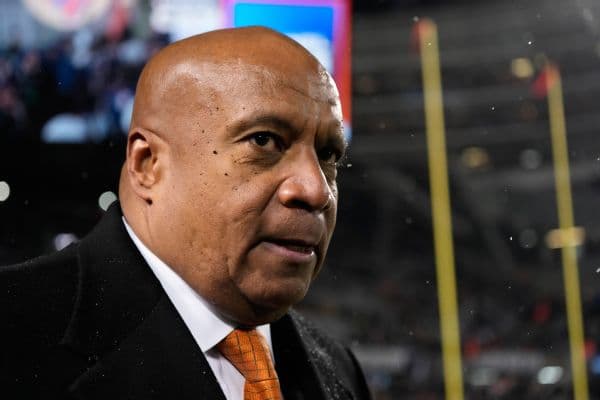
The long-standing saga regarding the future home of the Monsters of the Midway finally has a clearer timeline. Chicago Bears President and CEO Kevin Warren has indicated that a final Bears stadium decision is expected to arrive in late spring or early summer, marking a pivotal moment for one of the NFL’s most storied franchises.
Speaking recently about the team's ongoing search for a modern home, Warren provided the most concrete window to date for when the organization will choose between staying within the Chicago city limits or moving to the suburbs. As the lease at Soldier Field continues to wind down, the pressure is on to secure a site that can support a world-class, enclosed facility capable of hosting year-round events.
The Timeline for the Bears Stadium Decision
For months, fans and city officials have been waiting for a definitive signal from Halas Hall. According to Warren, that clarity is just a few months away. The Bears stadium decision is currently being treated with a sense of urgency, as the team looks to finalize plans that will dictate the franchise's financial and operational health for the next half-century.
“We’re targeting late spring, early summer,” Warren stated regarding the announcement of a site selection. This timeline suggests that the organization is currently in the final stages of due diligence, weighing the financial incentives, infrastructure requirements, and political landscape of their two primary options: the Chicago lakefront and the former Arlington Park site in Arlington Heights.
Lakefront vs. Arlington Heights: A Tale of Two Sites
The choice facing the Chicago Bears is a complex one, involving billions of dollars in potential investment. On one hand, the team owns 326 acres of land in Arlington Heights, a property they purchased for $197.2 million in 2023. This site offers the advantage of total control, allowing the team to build a massive entertainment district surrounding the stadium.
However, the Arlington Heights path has been complicated by property tax disputes with local school districts. These financial disagreements have slowed momentum and reopened the door for the City of Chicago to make its pitch. The city’s proposal focuses on the Museum Campus, reimagining the area around Soldier Field to accommodate a state-of-the-art dome. This would keep the team on the iconic lakefront while providing the modern amenities and weather protection the NFL currently demands.
The Vision for a Modern Venue
Regardless of the final location, Kevin Warren has been steadfast in his vision for what the new stadium must represent. The goal is not just a football field, but a multi-purpose destination. A new enclosed stadium would allow Chicago to bid for major global events, including:
- The Super Bowl
- NCAA Final Four
- College Football Playoff games
- Major international concert tours
- Large-scale conventions
Warren has frequently cited his experience with the construction of U.S. Bank Stadium during his tenure with the Minnesota Vikings as a blueprint for success. He understands that the economic impact of a year-round venue far outweighs that of a traditional open-air stadium like the current Soldier Field, which is the smallest stadium in the NFL by capacity.
What Comes Next for the Chicago Bears?
As we approach the late spring window, several hurdles remain. In Arlington Heights, the team continues to seek tax certainty to ensure the project is economically viable. In Chicago, the challenge lies in securing public funding and navigating the legal complexities of building on protected lakefront land. The Bears have expressed a willingness to contribute over $2 billion in private funding toward the project, but the total cost of a stadium and surrounding infrastructure is expected to exceed $4 billion.
The Bears stadium decision will be a defining legacy for Kevin Warren and the McCaskey family. For the fans, it represents the hope of a modernized gameday experience that matches the ambition of a team looking to climb back to the top of the NFC North. With the deadline now set for early summer, the countdown is officially on for a decision that will change the landscape of Chicago sports forever.
Sources & Original Reporting